
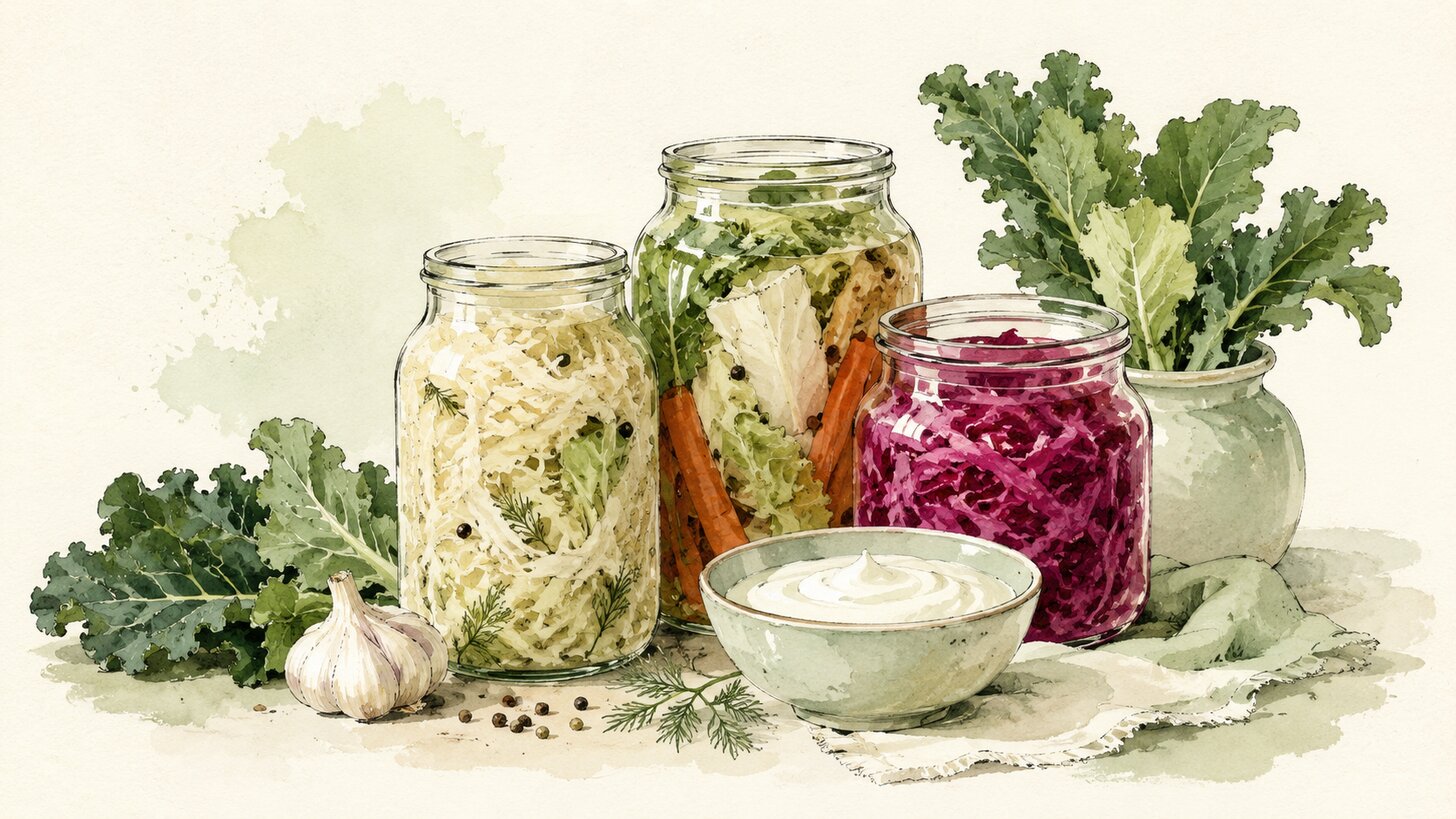
Gut health foods are the everyday things you can eat to feed the trillions of tiny microbes living in your digestive tract. Keep those microbes happy and they help with digestion, your immune system, steady energy, and even mood. The good news is that the foods that do this are simple and cheap: fiber rich plants, a few fermented foods, and plenty of variety. You don’t need a shelf of supplements to get started.
This is a plain guide to the gut health foods worth keeping around, how prebiotics and probiotics differ, and how to build a gut friendly plate without the bloat. Let’s keep it practical.
What gut health actually means
Your gut is home to a huge community of bacteria and other microbes, often called the microbiome. When that community is diverse and well fed, it does a lot of quiet work for you. It breaks down fiber, makes certain vitamins, and produces helpful compounds that calm inflammation and support the lining of your gut.
The single biggest thing that shapes your microbiome is what you eat. Feed it a narrow diet of processed food and it gets sluggish and less diverse. Feed it a wide range of plants and it thrives. That’s the whole idea behind gut health foods.
Prebiotics and probiotics: the simple difference
These two words get mixed up all the time, so here’s the easy version.
- Probiotics are the live good bacteria themselves. You get them from fermented foods like yogurt and sauerkraut.
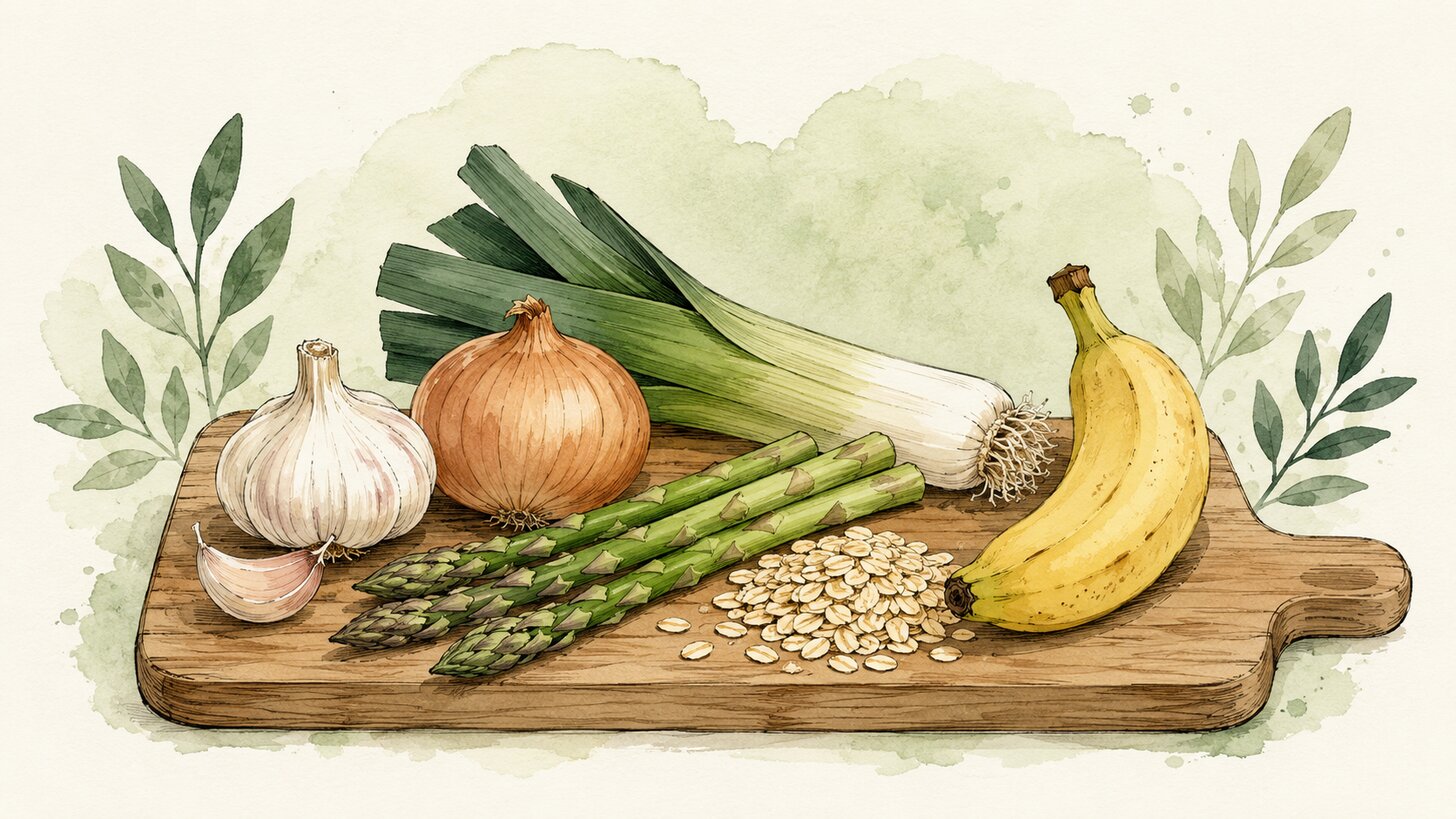
- Prebiotics are the food that feeds those bacteria. They’re mostly certain fibers found in plants like garlic, onions, and oats.
Think of it like a garden. Probiotics are the seeds, and prebiotics are the fertilizer. You want both. Eating fermented foods without enough fiber is like planting seeds in poor soil.
The best prebiotic foods
Prebiotic foods are the fiber rich plants your microbes love most. Many of them are already in your kitchen.
- Alliums: garlic, onions, and leeks are packed with a fiber called inulin
- Asparagus and slightly green, less ripe bananas
- Beans, lentils, and chickpeas, some of the best gut foods there are
- Oats and barley, rich in a fiber called beta glucan
- Chia and flax seeds
- Cooked and cooled potatoes or rice, which form resistant starch as they cool
The cooked and cooled trick is a nice one. When you chill cooked potatoes or rice, some of the starch changes into a form your body doesn’t fully digest, so it travels down to feed your gut bacteria instead. Leftover potato salad, quietly good for you.
The best probiotic and fermented foods
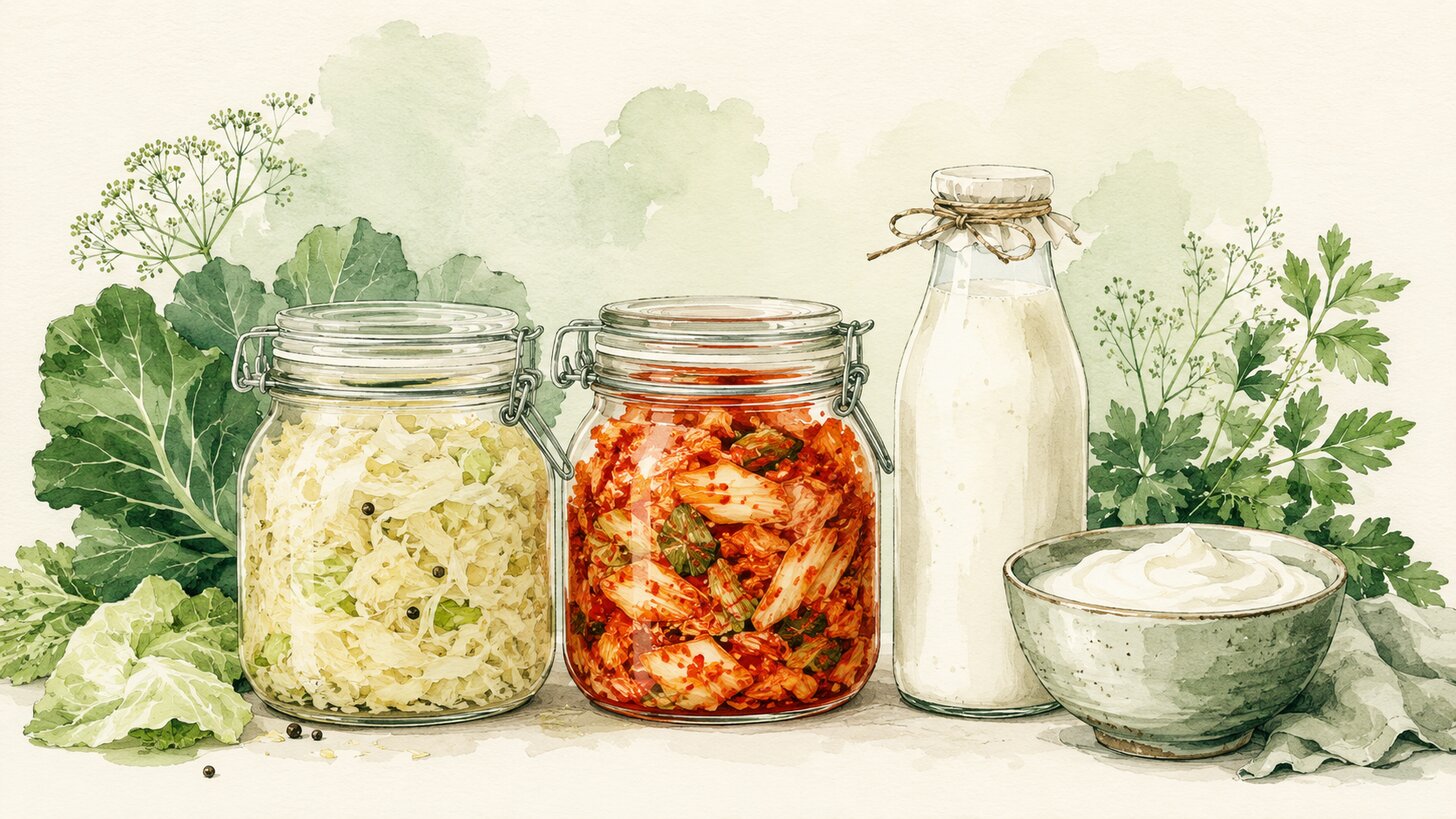
Fermented foods carry live bacteria straight to your gut. A small serving most days does more than a big serving once in a while.
- Yogurt with live active cultures, plain rather than the sugary kind
- Kefir, a drinkable yogurt with an even wider range of bacteria, and often easier on people who struggle with lactose
- Sauerkraut and kimchi, look for the refrigerated kind, since shelf stable versions are usually pasteurized and no longer live
- Miso and tempeh, savory soy ferments that are easy to cook with
- Kombucha, a fizzy fermented tea, watch the added sugar
One tip that trips people up: heat kills the live cultures. Stir miso into soup after you take it off the boil, and add kraut or kimchi as a cold topping rather than cooking it down.
Fiber is the foundation
If you only change one thing, eat more fiber and eat a wider variety of it. Fiber is the master gut health food, because it’s what most of your friendly bacteria eat. When they break it down, they make short chain fatty acids that feed the cells lining your gut and help keep inflammation in check.
Aim for variety over any single number. A simple goal some people like is trying to eat 30 different plant foods across a week. That counts fruits, vegetables, beans, grains, nuts, seeds, herbs, and spices. Gut health and anti inflammatory eating overlap heavily here, so our anti inflammatory foods list doubles nicely as a gut friendly shopping guide.
Where microgreens fit in
Tiny greens punch above their weight here too. Microgreens add fiber and a range of plant compounds in a small handful, and they’re the easiest way to sneak more plant variety onto a plate you already eat. Broccoli microgreens in particular carry sulforaphane, a compound tied to gut and overall health. Toss a pinch on eggs, toast, or a grain bowl.
A simple day of gut friendly eating
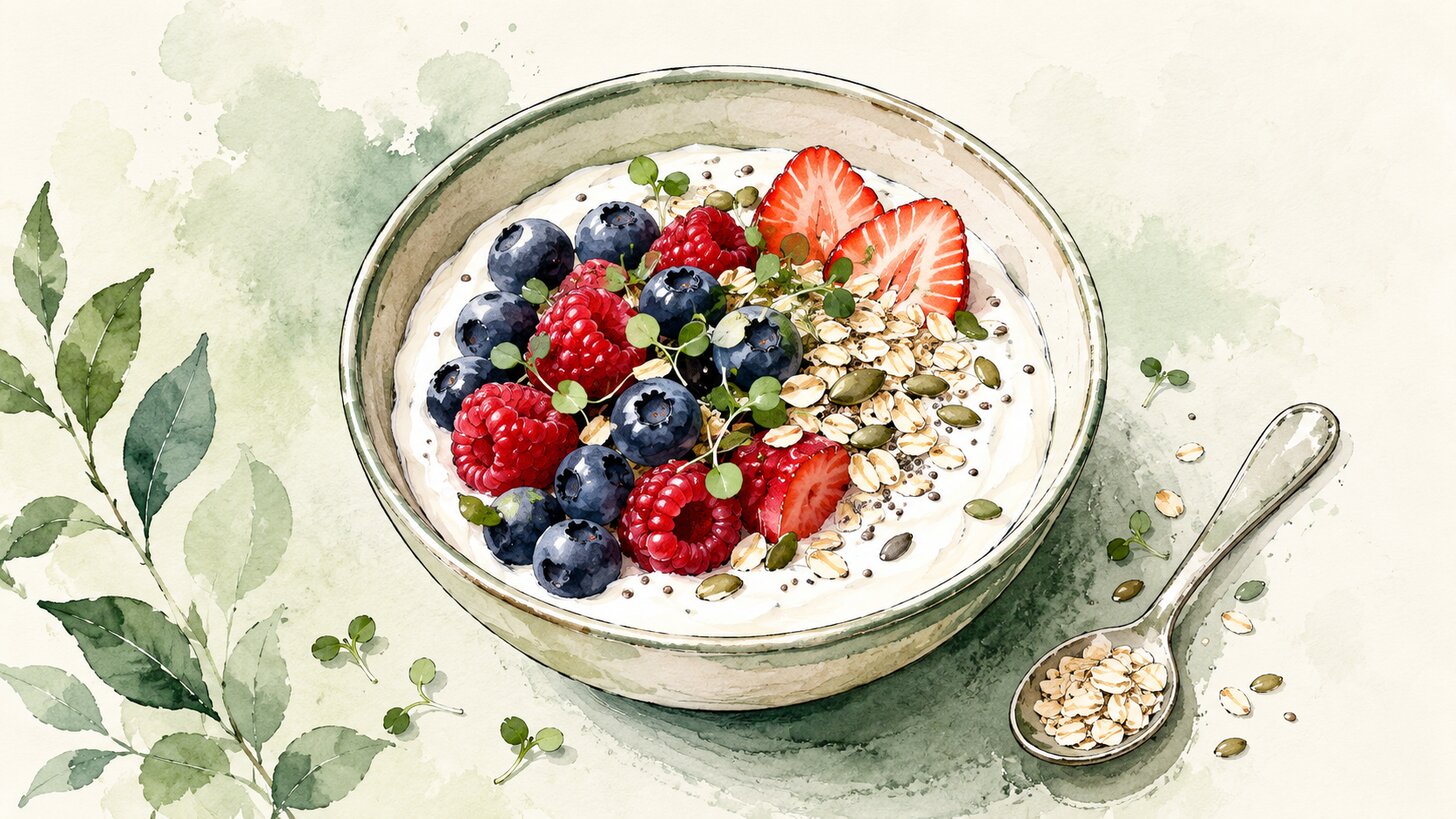
Here’s how easy a gut friendly day can look.
- Breakfast: plain yogurt or kefir with berries, oats, and a spoon of ground flax.
- Lunch: a lentil and vegetable soup with a slice of whole grain bread, and a forkful of sauerkraut on the side.
- Snack: an apple and a small handful of almonds, or carrots with hummus.
- Dinner: a stir fry with garlic, onion, mixed vegetables, and tempeh over cooled and reheated rice, topped with microgreens.
- Drinks: water through the day, and a warm mug of mushroom tea in the evening.
Notice there’s a prebiotic and a probiotic in almost every meal. That’s the pattern to aim for, not perfection.
How to start without the bloat
A few simple moves keep this comfortable and make it stick.
- Go slow. If you’re not used to much fiber, add it gradually. A big jump overnight is the fastest way to gas and bloating.
- Drink water. Fiber works best with enough fluid, so keep water handy as you eat more plants.
- Start fermented foods small. A spoonful of kraut or a few sips of kefir, then build up as your gut adjusts.
- Expect a short adjustment. A little gas the first week or two is normal as your microbiome shifts. It usually settles.
- Move your body. Regular movement and good sleep support your gut too. Food is a big piece, not the only one.
Common mistakes to avoid
- Relying on a supplement instead of food. A pricey probiotic pill can’t replace a varied, fiber rich diet. Food first.
- Buying pasteurized ferments. Shelf stable sauerkraut and pickles are usually heat treated, so the live cultures are gone. Check the fridge section.
- Eating the same five foods. Variety feeds a diverse microbiome. Rotate your plants.
- Loading up on sugar. Sugary flavored yogurts and kombuchas can undo some of the benefit. Read the label.
Key takeaways
- Gut health foods are mostly fiber rich plants plus a few live fermented foods.
- Prebiotics feed your good bacteria, probiotics add more of them, and you want both.
- Fiber and plant variety are the foundation. Aim for many different plants across the week.
- Add fiber and ferments gradually, and drink enough water, to avoid bloating.
- Food beats supplements for most people most of the time.
Frequently asked questions
How long does it take to improve gut health?
Your microbiome starts shifting within days of eating more plants and ferments. Many people notice easier digestion within a couple of weeks, while the deeper benefits build over months of steady habits.
Do I need a probiotic supplement?
Most healthy people don’t. A varied diet with fermented foods covers the basics. Supplements can help in specific situations, so ask your own doctor if you think you need one.
Is bloating normal when I start?
A bit of gas or bloating is common in the first week or two as your gut adjusts to more fiber. Going slow and drinking water helps. If it’s severe or lasts, check with a professional.
What is the best single food for gut health?
There isn’t one. That said, a daily spoon of a live fermented food plus plenty of beans, vegetables, and whole grains covers most of what your gut wants.
This article is general information, not medical advice. If you have a health condition, take medication, or are pregnant or nursing, check with a qualified professional before making big changes to how you eat.