
You open the fridge, spot the bag of spinach you swore you’d use this week, and find it’s already gone slimy in the drawer. Sound familiar? Most of us know we’re supposed to eat more vegetables. Actually doing it, meal after meal, is the part that trips people up.
Here’s the good part. You don’t need a brand new diet or an hour of meal prep to turn this around. Figuring out how to eat more vegetables really comes down to a few small habits that fit the way you already shop and cook. Only about 1 in 10 adults in the United States eat the amount recommended each day, so if your plate looks a little bare, you’re in good company.
Federal guidelines suggest most adult women aim for around 2.5 cups of vegetables a day and most adult men for around 3.5 cups. That can sound like a mountain until you see how fast it adds up with a few easy swaps. Let’s walk through the habits that make it feel almost effortless, so eating more veggies stops being a chore you keep meaning to start.
Why eating more vegetables is worth it
Vegetables bring fiber, vitamins, minerals, and plant compounds that your body puts to work in dozens of quiet ways. Eating plenty of them is linked to a lower risk of heart disease, type 2 diabetes, some cancers, and carrying excess weight.
They also do the everyday stuff you can actually feel. More fiber tends to keep you fuller between meals and is kind to your digestion. If you want the deeper version of that, our guide to gut health foods walks through how fiber and fermented foods work together.
The point isn’t perfection. Adding even one more serving a day is a real win, and the habits below are built to stack up gently over weeks, not overnight.
How to eat more vegetables: 10 easy habits
None of these ask you to love kale or count anything. Read through, pick two or three that sound doable, and start there.
1. Fill half your plate before anything else
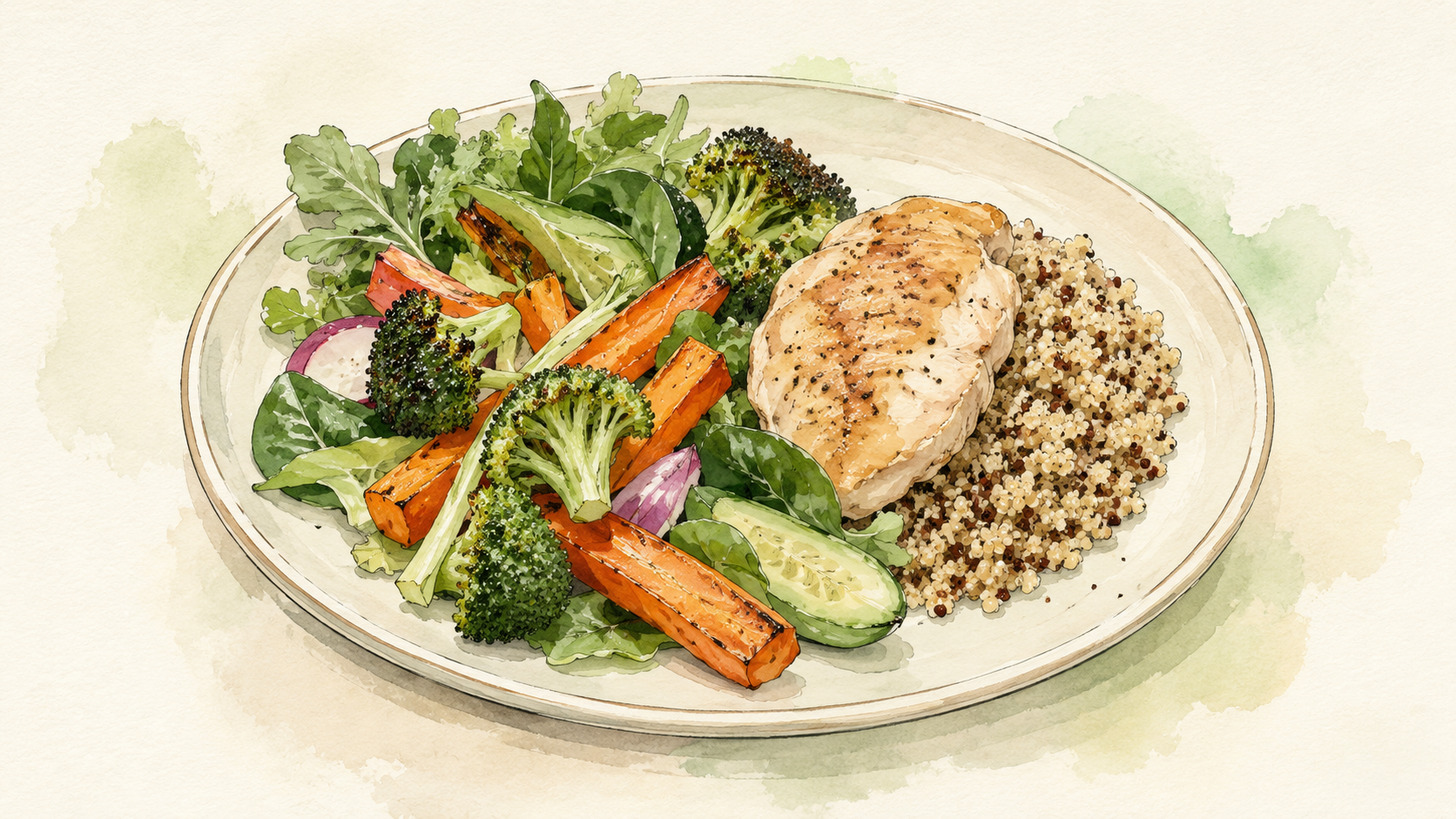
At lunch and dinner, build your plate by covering half of it with vegetables first, then add your protein and starch to what’s left. When veggies claim the biggest share by default, you eat more of them without thinking about it.
2. Add a handful to meals you already make
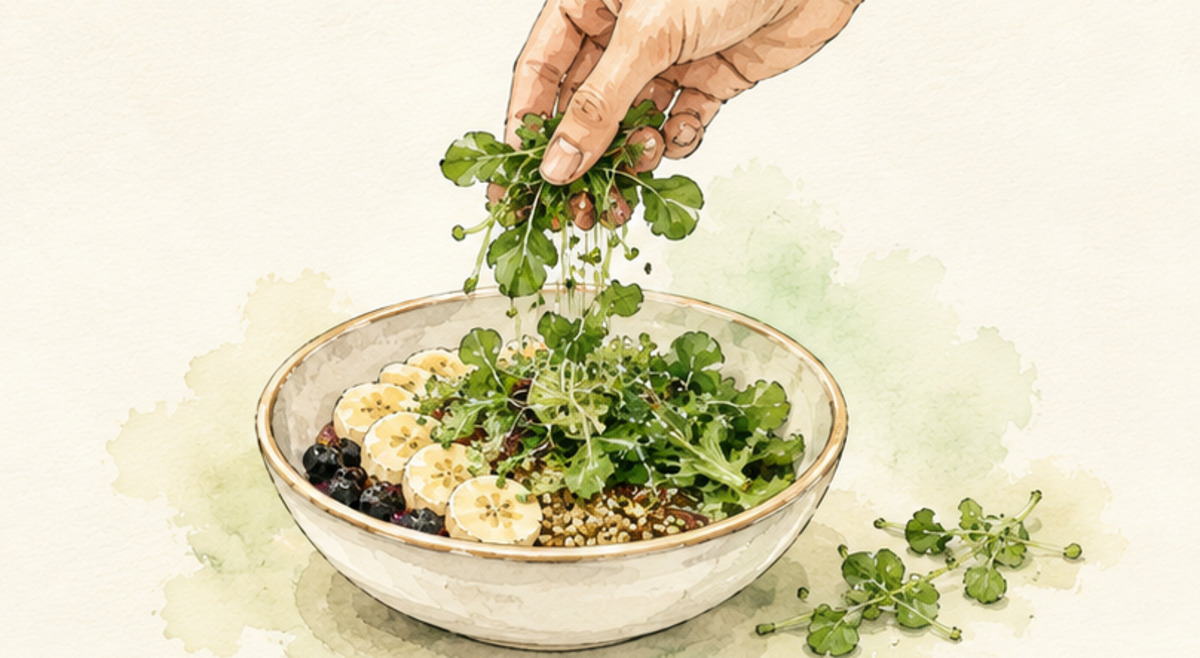
You don’t need a new recipe. Stir spinach into scrambled eggs, drop a handful of greens into soup, or pile extra peppers onto a sandwich. A daily handful of tender greens or microgreens is one of the simplest add ins there is.
3. Keep them washed and visible
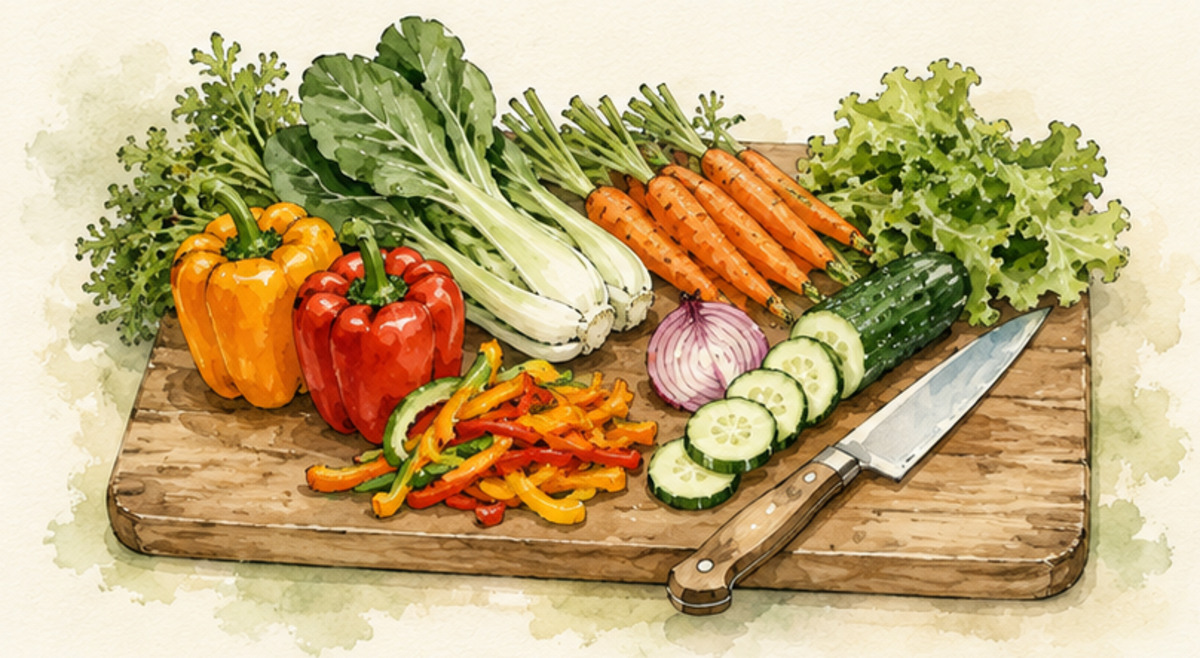
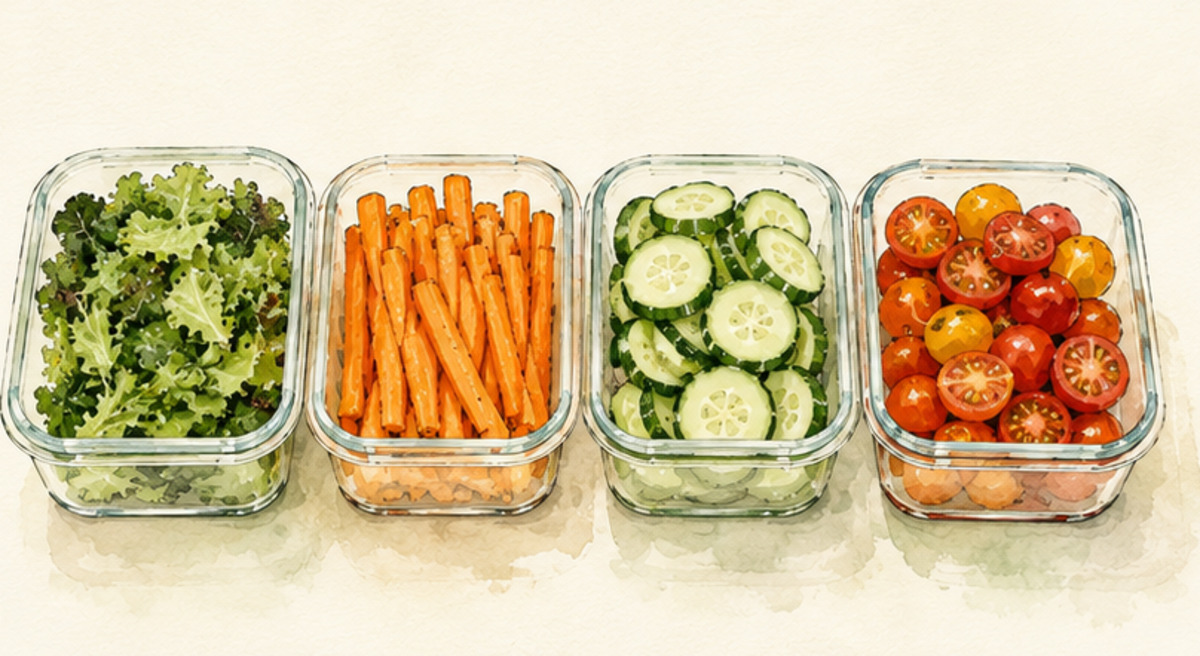
Vegetables you can’t see tend to rot in the drawer. Wash and chop a few as soon as you get home, then store them at eye level in clear containers. When cut carrots and cucumber are the easy grab, they win the snack fight.
4. Blend them into a morning drink
A smoothie is a sneaky way to get greens in before the day even really starts. Spinach and cucumber all but disappear behind banana and berries. If you like the idea of a boost, a spoon of green powder folds right in, and our easy ways to use spirulina has simple starters.
5. Roast a tray while you cook something else
Roasting turns plain vegetables into something you actually crave. Toss broccoli, carrots, or cauliflower with a little olive oil, slide the tray in, and let the oven do the work while you handle the rest of dinner.
6. Lean on frozen and canned
Fresh isn’t the only way. Frozen vegetables are picked and frozen at their peak, so they hold their nutrition well and never guilt you from a slimy drawer. Keep a couple of bags on hand for the nights when cooking feels like too much.
7. Start meals with a small salad or soup
A little bowl of greens or a cup of vegetable soup before the main course adds a serving and takes the edge off your hunger. It’s an old restaurant trick that works just as well at your own table.
8. Make one veggie forward dinner a week
Pick one night where vegetables are the main event, not the side. A big stir fry, a loaded grain bowl, or a hearty minestrone all count. If you need inspiration, our anti inflammatory foods list is full of colorful picks to build around.
9. Snack on vegetables with something you like
Raw veggies get a lot more appealing next to a dip. Pair carrots, snap peas, or peppers with hummus, guacamole, or a yogurt dip. The dip isn’t cheating, it’s the reason the vegetables actually get eaten.
10. Double the vegetables in any recipe
When a recipe calls for one onion or one cup of spinach, use two. Most dishes barely notice the change, and you quietly walk your daily total upward. This is the laziest habit on the list and one of the most effective.
A real week of small changes
Say you start on a Monday. You add spinach to your eggs at breakfast and roast a tray of broccoli with dinner. That’s two extra servings without a single new recipe or a trip to the store.
Tuesday you blend a handful of greens into a smoothie and start dinner with a small salad. By Wednesday you’ve doubled the peppers in your pasta sauce and grabbed carrots with hummus instead of chips. None of it felt like effort, yet you’ve landed close to the recommended range most days. That’s the whole trick: small, repeatable moves beat one ambitious salad you make once and never touch again.
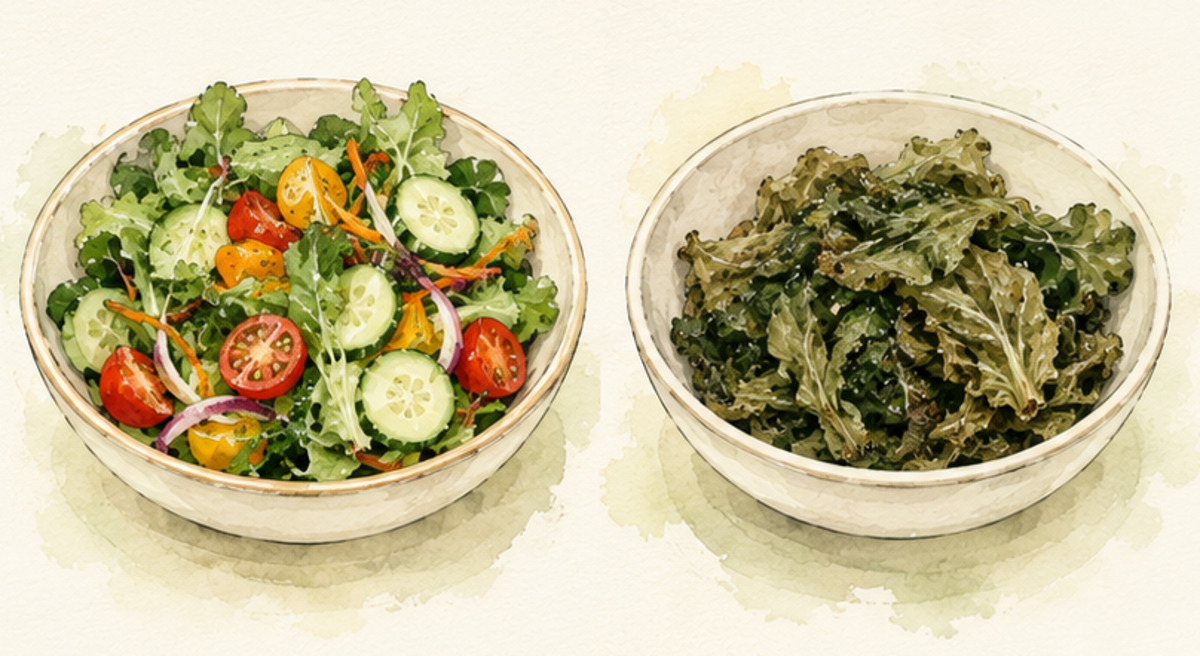
Common mistakes that hold you back
The biggest one is buying more than you’ll realistically use. A crisper stuffed with good intentions just turns into waste and a little guilt every time you open it. Buy a little less, use it up, then buy again.
Another trap is thinking it all has to be fresh and raw. Frozen, canned, roasted, and blended all count, and the easiest option is the one you’ll actually eat. People also give up when a meal feels boring, so keep salt, olive oil, lemon, and a favorite spice or two around to make vegetables taste good.
Finally, don’t try to fix everything at once. Chasing all ten habits in a single week is the fastest way to quit by Friday. Pick two, let them become automatic, then add another.
Key takeaways
- Most adults fall short on vegetables, so small daily habits matter far more than any perfect diet.
- Fill half your plate, add a handful to meals you already make, and keep veggies washed and visible.
- Frozen and canned count too, and doubling the vegetables in a recipe is the easiest win of all.
- Start with two habits, let them stick, then build from there.
Frequently asked questions
How many vegetables should I eat a day?
Most adult women aim for about 2.5 cups a day and most adult men for about 3.5 cups. Any increase over your current amount is still a step in the right direction.
Do frozen and canned vegetables count?
Yes. Frozen vegetables are frozen at their peak and hold their nutrition well. With canned, rinse them to lower the sodium and look for low salt options where you can.
What’s the easiest way to eat more vegetables if I don’t like them?
Start where the flavor is friendly. Blend greens into a fruit smoothie, roast vegetables until they caramelize, or pair raw veggies with a dip you love. Taste is a habit too, and it grows with a little practice.
Does juicing count toward my vegetables?
Juice can add nutrients, but it loses most of the fiber, so treat it as a bonus rather than a full replacement. Our guide to juicing to fight inflammation covers how to use it well.
A quick note
This article is general information, not medical advice. If you have a health condition, take medication, or are pregnant or nursing, check with a qualified professional before making big changes to how you eat.