
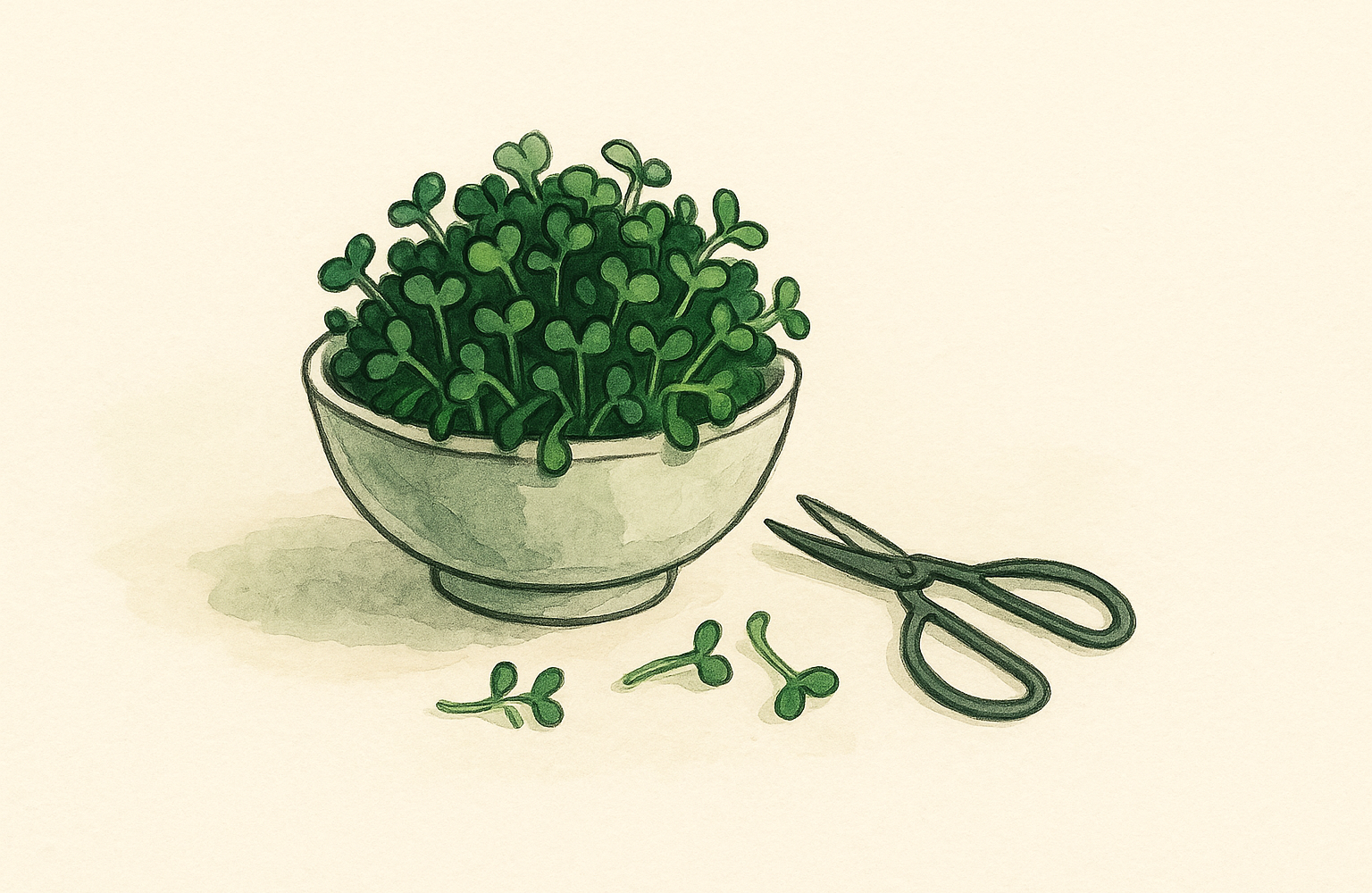
You probably grew up being told to eat your broccoli, and maybe you still push it around the plate a little. Here’s the funny part. The version of broccoli that might do you the most good barely looks like broccoli at all. It’s a tiny green shoot, snipped about a week after the seed sprouts, and it tastes fresh and mild with a gentle peppery bite. No sulfur smell, no soggy florets.
These little shoots have quietly become one of the most talked about greens in the wellness world, and it’s mostly because of a single plant compound. If you’ve heard people rave about them and wondered whether it’s hype or something real, this guide walks you through it in plain language.
What broccoli microgreens actually are
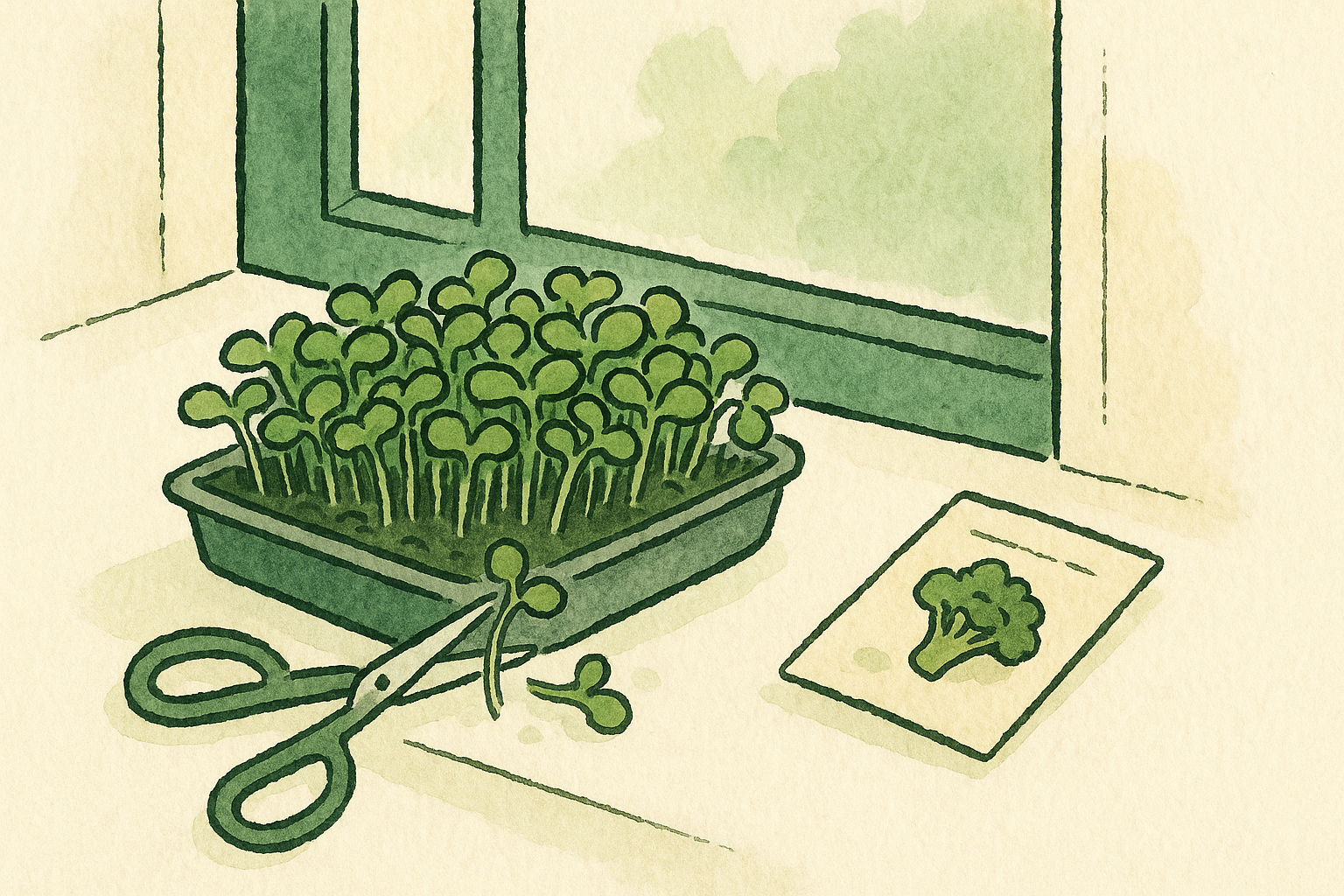
Broccoli microgreens are simply young broccoli plants harvested very early, usually around 8 to 12 days after the seeds germinate. You cut them at the stem while they’re still small, right after the first true leaves start to show. They’re not the same as sprouts, which are eaten seed, root, and all after just a few days. If you want the full breakdown, we cover it in sprouts vs microgreens.
They grow fast, they don’t need much space, and a shallow tray on a sunny windowsill is enough to get a harvest. That’s part of why so many home growers love them. For the wider picture on these tiny greens, start with our pillar guide, what are microgreens.
The flavor is where broccoli microgreens win over a lot of skeptics. They taste clean and a little green, with none of the bitterness people dislike in cooked broccoli. If the smell of broccoli steaming has ever chased you out of the kitchen, these are worth a fresh try.
The real story behind broccoli microgreens benefits
Almost every conversation about broccoli microgreens benefits comes back to one word: sulforaphane. It’s a natural compound found across the cabbage family, and broccoli in its young stages is one of the richest sources of its building block.
Here’s the thing worth understanding. The young plant doesn’t actually store sulforaphane. It stores a precursor called glucoraphanin, which turns into sulforaphane only when the plant tissue is broken. Researchers at Johns Hopkins were the ones who first drew wide attention to just how much of that precursor young broccoli holds compared to the mature heads at the store.
Sulforaphane is studied for its antioxidant and anti inflammatory activity, and for the way it seems to switch on the body’s own detox and protective enzymes. That’s a promising area of research, not a cure for anything, and it’s worth keeping that honest framing in mind whenever you see a bold headline.
How sulforaphane actually forms
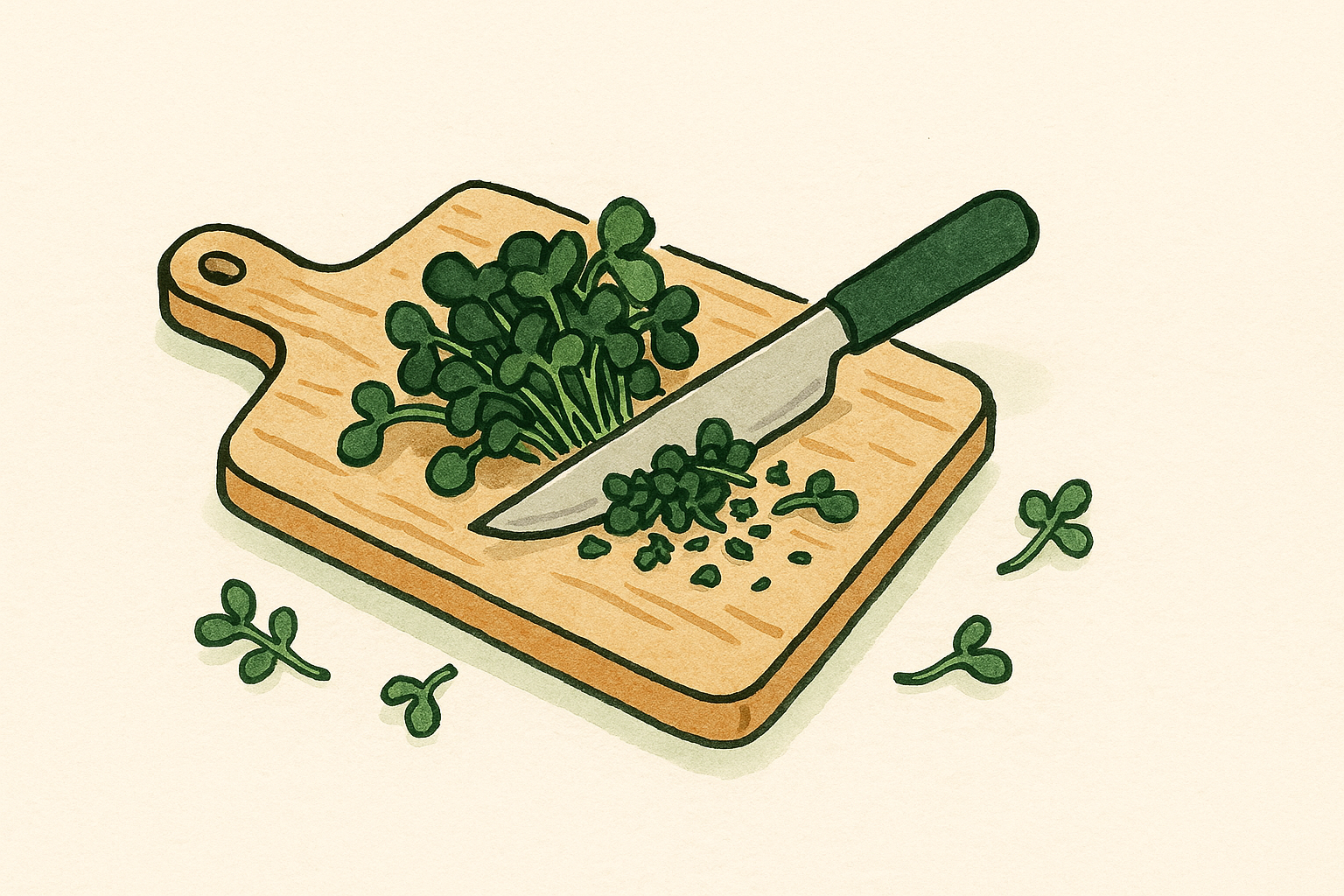
This is the part most people miss, and it changes how you eat these greens. Sulforaphane isn’t sitting there ready to go. It gets created when an enzyme called myrosinase meets that glucoraphanin precursor, and the two only mix when the plant cells are torn open. In practice, that means chopping and chewing your microgreens is what triggers the reaction.
Heat is the catch. Myrosinase is fragile, and cooking above roughly 140 degrees can knock it out. Without that enzyme, the precursor mostly passes through you unchanged. So the single most useful thing to know is this: eat broccoli microgreens raw, or add them at the very end of cooking once the pan is off the heat.
A small habit helps too. Chewing them well, rather than swallowing a quick handful, gives the enzyme more of a chance to do its work. It sounds fussy, but it’s genuinely where a lot of the value comes from.
What the research says, and what it doesn’t
Young broccoli is often described as holding far more glucoraphanin than the mature vegetable, in some studies many times more. That’s the headline that made these greens famous. Broccoli microgreens also bring a real dose of everyday nutrition, including vitamin C and vitamin K, plus fiber and plant pigments, in a very small serving.
Now the honest caveat. The exact numbers swing a lot depending on the seed variety, how the greens were grown, and when they were cut. “Younger always means more” is a bit of a myth, and in some datasets mature florets actually measured higher on certain compounds. The takeaway isn’t that microgreens are magic. It’s that they’re a concentrated, convenient way to add real food nutrition to your day.
If you like seeing the comparisons laid out, our microgreens nutrition chart ranks fifteen varieties side by side. And for a broader look at the science, this review on sulforaphane bioavailability is a solid, sober read.
How to eat broccoli microgreens
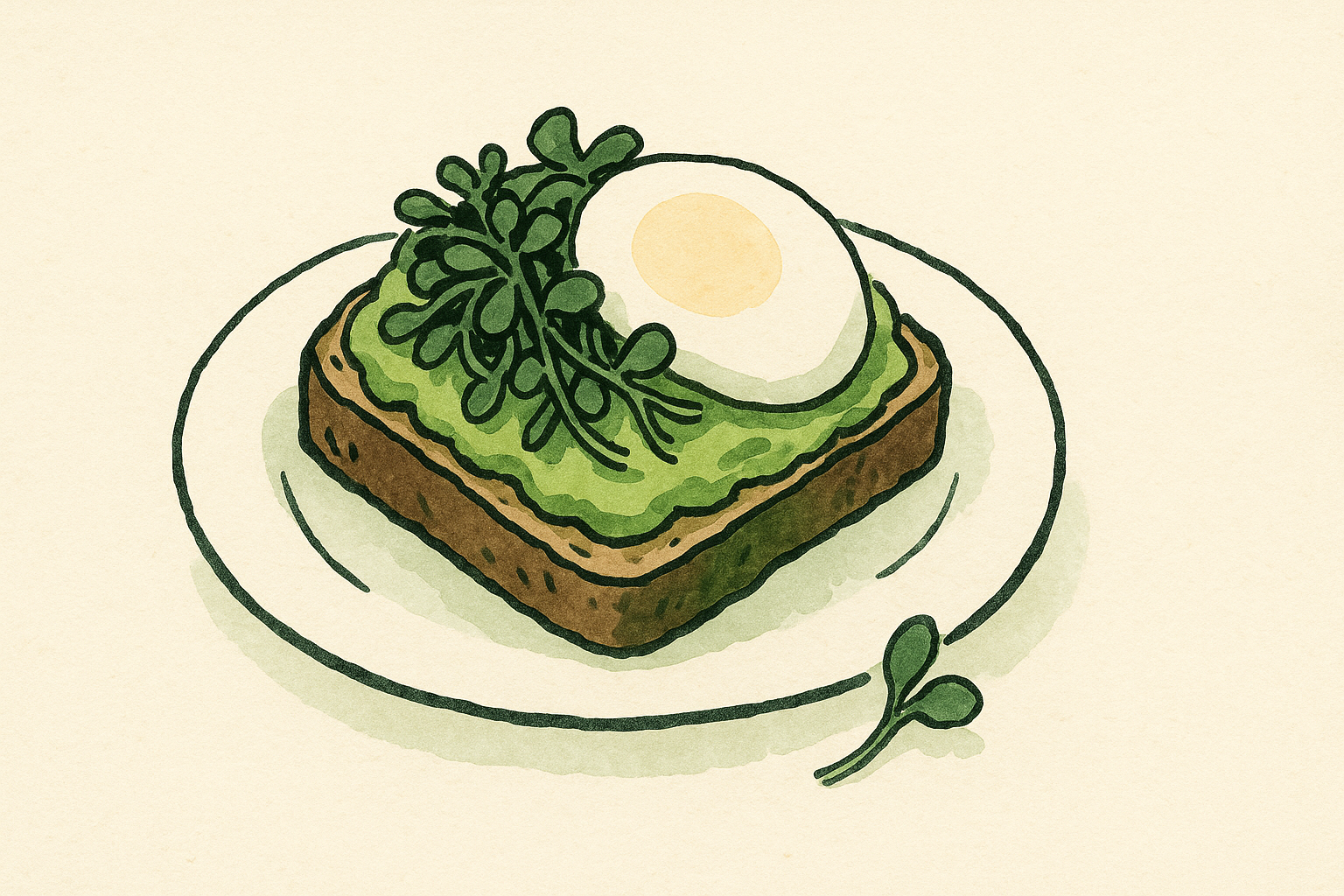
The best way to enjoy the broccoli microgreens benefits is also the easiest: sprinkle them, raw, over food you’re already eating. They don’t need a recipe. A small handful on top of a finished plate does the job.
A few reliable ways to use them:
- Piled onto avocado toast with a soft egg
- Tossed through a salad or folded into a wrap
- Scattered over scrambled eggs right before they leave the pan
- Stirred into a grain bowl at the table
- Blended into a smoothie, where you won’t even taste them
If smoothies are your thing, they slot right into the same routine as our microgreen recipes. The rule to remember is simple. Add them at the end, keep them raw, and chew well. Warm food is fine to rest them on, but you don’t want to cook them.
A real example: one easy week
Say you buy or grow one tray on Sunday. Monday you fold a handful into your eggs. Tuesday they go on a turkey sandwich. Wednesday you drop them into a lunch grain bowl, Thursday onto avocado toast, and Friday into a fruit smoothie you can barely tell has greens in it.
That’s five servings without cooking a single thing or following a recipe. No willpower required, no choking down steamed broccoli. This is the quiet reason these greens stick as a habit when big diet overhauls don’t. They’re gentle enough to be pleasant and small enough to be effortless. They also pair naturally with a fiber rich pattern of eating, which we get into in our gut health guide.
Common mistakes to avoid
Cooking them. This is the big one. Sautéing or baking your microgreens undoes the very thing that makes them special. If they touch real heat, treat them as a mild leafy green and don’t expect the sulforaphane payoff.
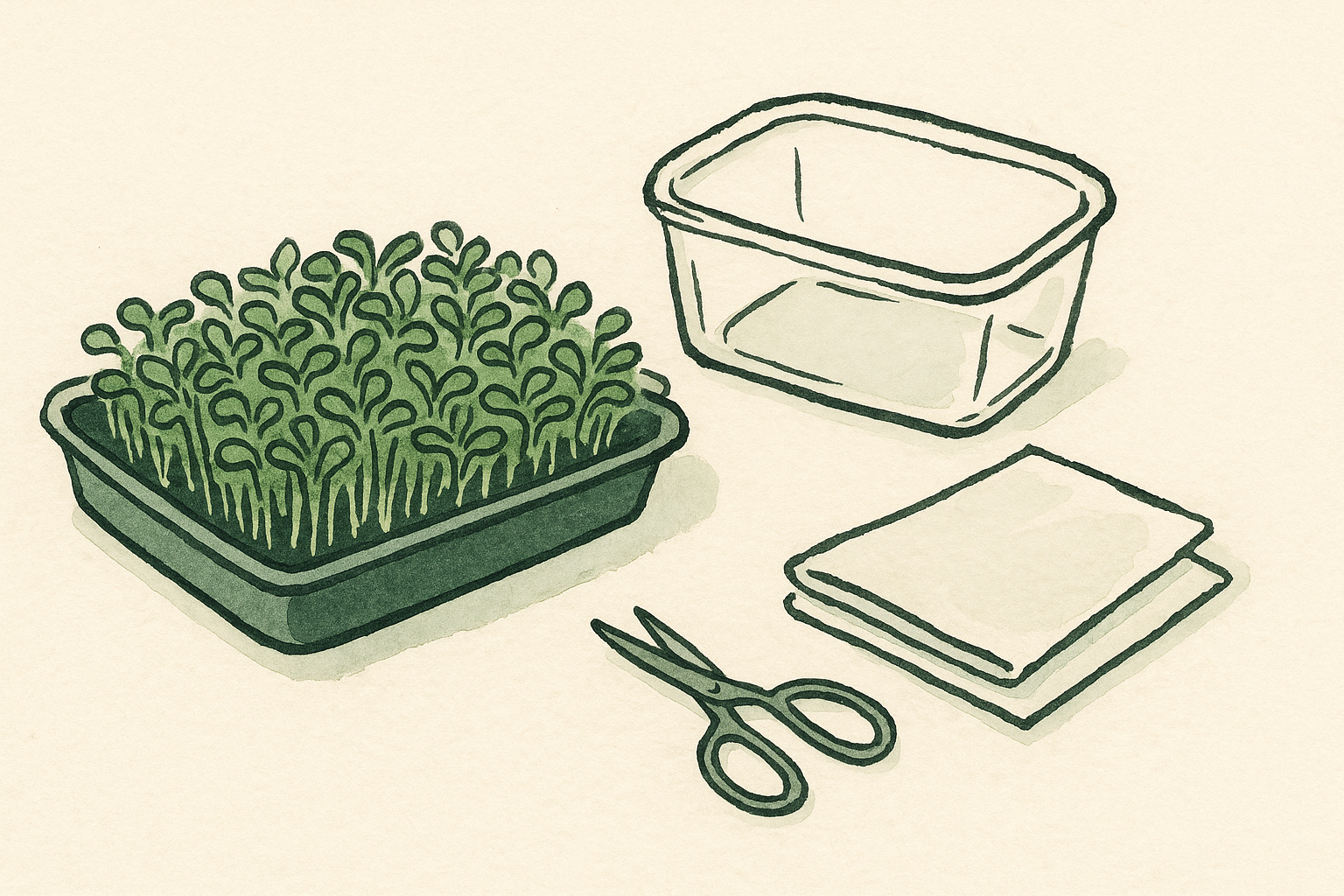
Letting them sit too long. Fresh microgreens hold their quality for about 5 to 7 days in the fridge. Store them dry in an airtight container with a folded paper towel to catch moisture, and skip washing them until you’re ready to eat.
Swallowing them whole. A quick handful gulped down does less than a handful you actually chew. Give them a moment in your mouth so the enzyme and precursor can meet.
Treating them as a fix. Broccoli microgreens are a nice add on to a plate that already has plenty of whole foods. They aren’t a replacement for eating a variety of vegetables, and they can’t undo an otherwise thin diet.
Key takeaways
Broccoli microgreens are young broccoli shoots, harvested in about a week and a half, with a mild fresh flavor most people enjoy. Their standout trait is a rich store of glucoraphanin, the building block your body turns into sulforaphane.
That conversion only happens when you break the cells, so raw and well chewed is the way to go. Keep them cold, eat them within a week, and use them as a simple daily topping rather than a miracle food. Do that, and you’ll actually get the broccoli microgreens benefits people talk about.
Frequently asked questions
Do broccoli microgreens really have more sulforaphane than broccoli?
Young broccoli is often reported to hold much more of the sulforaphane precursor than mature heads, though the exact amount varies by variety and growing conditions. The practical point is that they’re a concentrated, easy source, as long as you eat them raw.
Can you cook broccoli microgreens?
You can, but heat deactivates the enzyme that forms sulforaphane, so you lose most of that benefit. If you want the payoff, keep them raw or add them after cooking, off the heat.
How many broccoli microgreens should you eat a day?
There’s no official amount. A small daily handful sprinkled over a meal is a sensible, sustainable habit for most people. More isn’t necessarily better, and variety across all your vegetables matters more than any single green.
Are broccoli microgreens easy to grow at home?
They’re one of the friendliest to start with. A shallow tray, a little soil, water, and light will give you a harvest in under two weeks. Our guide to growing microgreens at home walks through it step by step.
This article is general information, not medical advice. If you have a health condition, take medication, or are pregnant or nursing, check with a qualified professional before making changes to your diet.