
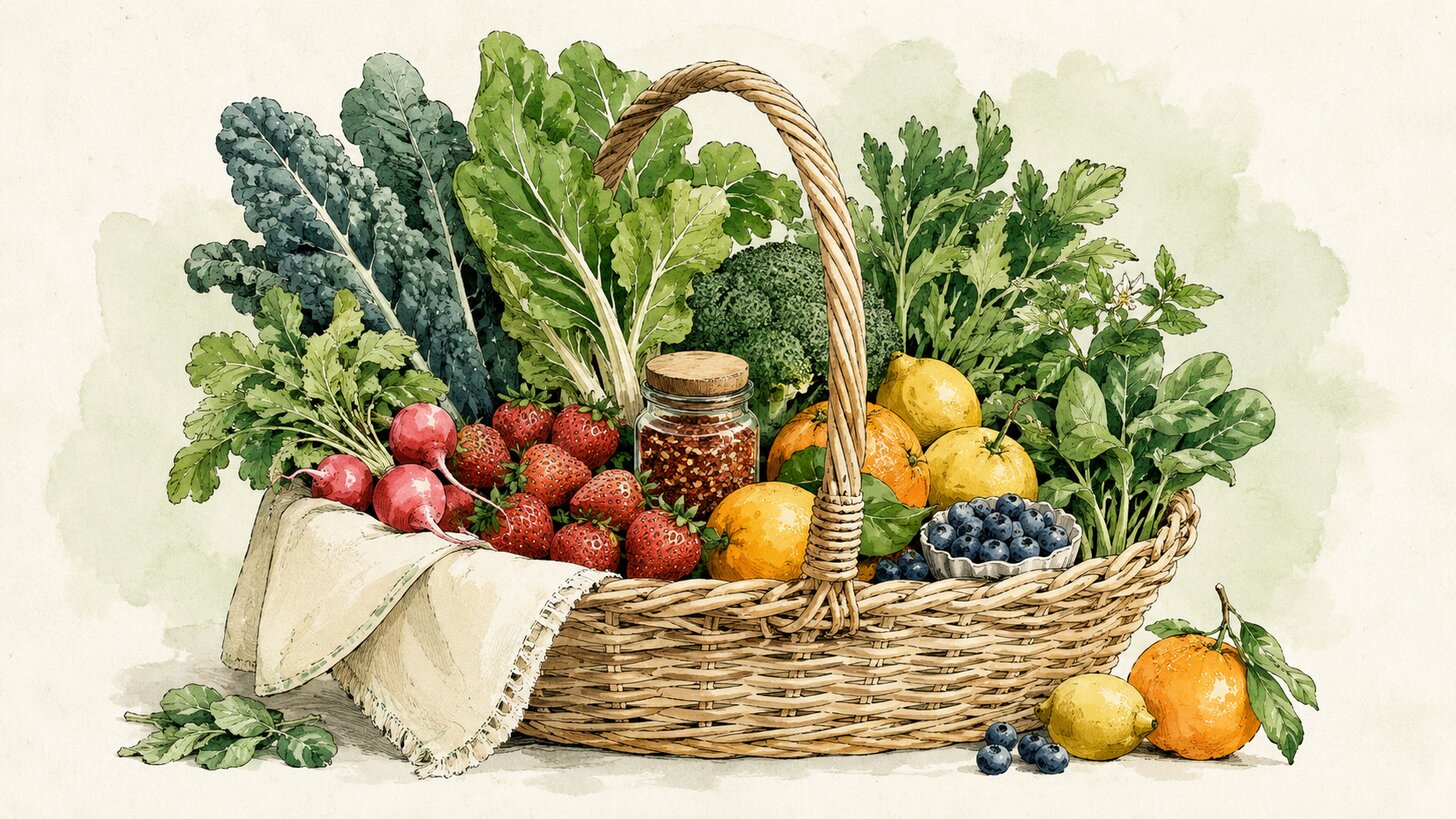
If you want to eat in a way that calms inflammation, it helps to walk into the store with a plan. This anti inflammatory foods list is that plan. It gathers the everyday foods that research links to lower inflammation, sorted by aisle so you can shop without second guessing yourself. Keep it on your phone, screenshot it, or print it and stick it to the fridge.
None of this is fancy or hard to find. An anti inflammatory foods list is mostly whole foods you already know: vegetables, fruit, fish, beans, nuts, good oils, and a few spices. The trick is buying enough of them that the easy choice at home is also the better one. Here’s the full list, plus a short printable version at the end.
How to use this list
You don’t need every item every week. Pick a few from each group and rotate them. Aim to fill most of your cart from the produce, pantry, and seafood sections, and let color guide you. The more shades of green, red, orange, and purple on your plate, the wider the range of protective compounds you get.
One more tip before we start. Frozen and canned count. Frozen berries and vegetables are picked ripe and often hold more nutrients than fresh ones that sat in a truck for a week, and they cost less. Canned beans and canned fish are two of the cheapest anti inflammatory staples you can buy.
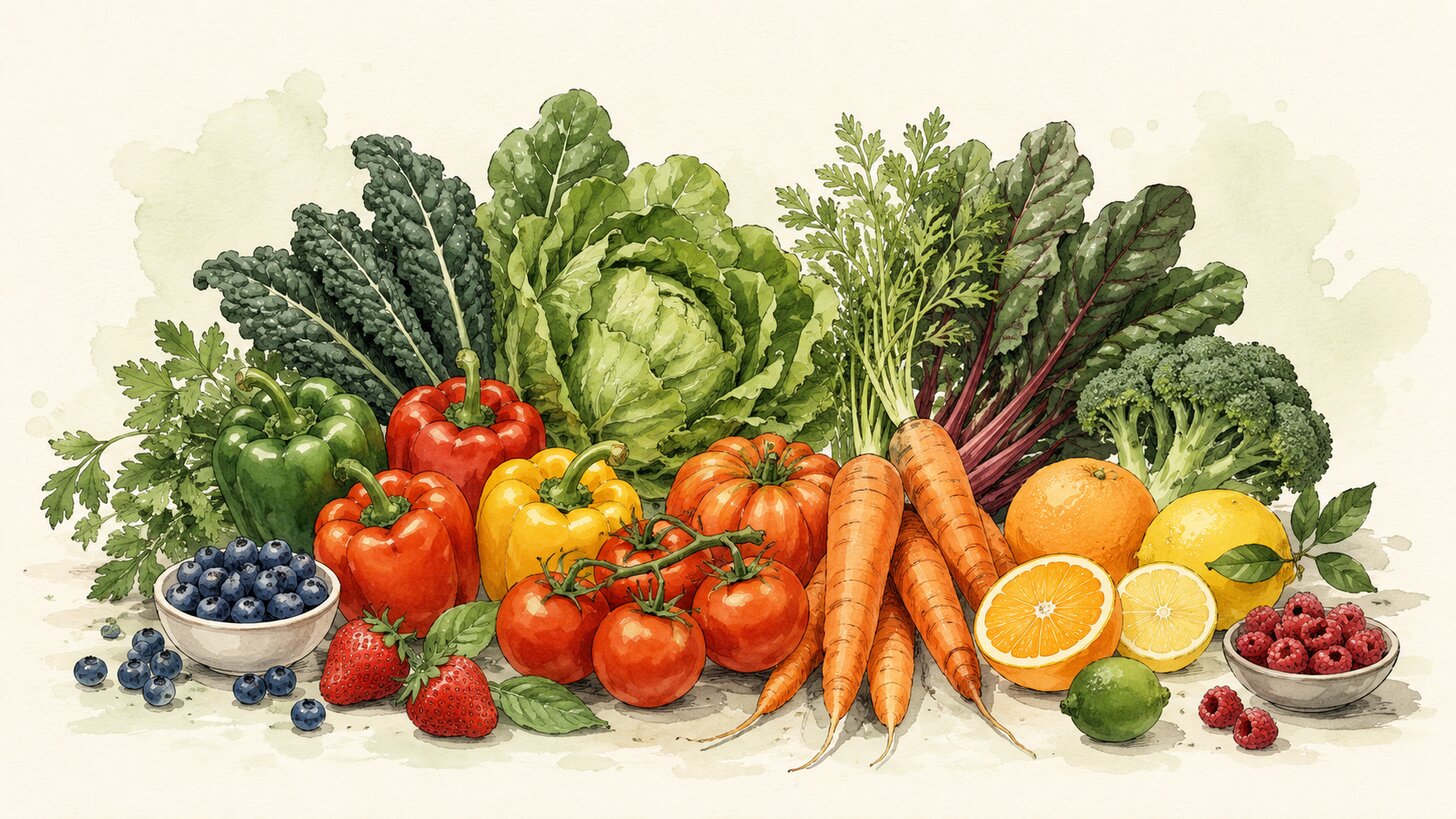
The anti inflammatory foods list, by category
Vegetables
Vegetables are the backbone of the whole list. Leafy greens and the cabbage family do a lot of the heavy lifting.
- Leafy greens: spinach, kale, arugula, Swiss chard, collard greens
- Cruciferous: broccoli, cauliflower, Brussels sprouts, cabbage
- Colorful picks: tomatoes, red and yellow peppers, carrots, beets, squash
- Aromatics: garlic, onions, leeks
Fruit
Berries top the fruit list for a reason. They’re loaded with polyphenols, the natural plant compounds tied to lower inflammation.
- Berries: blueberries, strawberries, blackberries, raspberries
- Cherries, especially tart cherries
- Citrus: oranges, grapefruit, lemons
- Apples, grapes, and pomegranate
Fish and seafood
Fatty fish are some of the strongest inflammation fighters on the list thanks to their omega 3 fats. Two or three servings a week is a solid target.
- Salmon, sardines, mackerel, herring, and anchovies
- Tuna and trout
- Canned salmon and sardines for an easy, cheap option
Nuts, seeds, and healthy fats
- Walnuts, almonds, pistachios, and pecans
- Flax, chia, hemp, and pumpkin seeds
- Extra virgin olive oil, the staple cooking and dressing fat
- Avocados
Beans, lentils, and whole grains
Fiber feeds the good bacteria in your gut, and gut health and inflammation are closely tied together.
- Chickpeas, black beans, lentils, and kidney beans
- Oats, brown rice, quinoa, and barley
- Whole grain bread and pasta
Herbs and spices
- Turmeric, best paired with a pinch of black pepper
- Ginger, cinnamon, and garlic
- Fresh herbs like basil, parsley, and cilantro
Drinks
- Water first, always
- Green tea and, in moderation, coffee
- A warm mug of mushroom tea for an easy evening swap
Microgreens and other tender greens
This is where our little corner of the food world shines. Microgreens like broccoli, radish, and pea pack a lot of nutrients into a small handful, and they’re the easiest thing to add to a meal you already make. A pinch of spirulina in a smoothie is another simple add.
Why these foods calm inflammation
You don’t need the biochemistry to shop well, but a little of the why helps it stick. Fatty fish give you omega 3 fats that quiet the signals that drive inflammation. Bright fruit and vegetables carry antioxidants and polyphenols that protect your cells from everyday wear. Beans, oats, and other high fiber foods feed the good bacteria in your gut, and a calmer gut tends to mean a calmer body. Olive oil brings its own gentle anti inflammatory compounds. None of these work like a switch. They add up, meal after meal, which is exactly why a steady list beats a crash plan.
Three easy meals from the list
Proof that this can be simple. Each of these comes straight off the list above, with nothing you can’t find at a normal store.
- Breakfast: oats with blueberries, a spoon of chia, and a handful of walnuts.
- Lunch: a chickpea and spinach bowl with olive oil, lemon, and a scatter of microgreens.
- Dinner: baked salmon, roasted broccoli, and brown rice, with garlic and a pinch of turmeric.
Cook once and keep the leftovers, and half your week is already handled. That’s the quiet power of shopping from a good list. The choices are made before you ever get hungry.
Foods to keep off the weekly list
A foods list works both ways. These are the items worth buying less often, since they tend to push inflammation the wrong way.
- Sugary drinks: soda, sweet tea, and energy drinks
- Ultra processed snacks, sugary cereals, and boxed baked goods
- White bread, white pasta, and other refined grains
- Processed and cured meats like hot dogs, bacon, and deli meat
- Deep fried foods and anything with trans fat, listed as partially hydrogenated oil
You don’t have to ban these forever. Just let them be the exception rather than the every day.
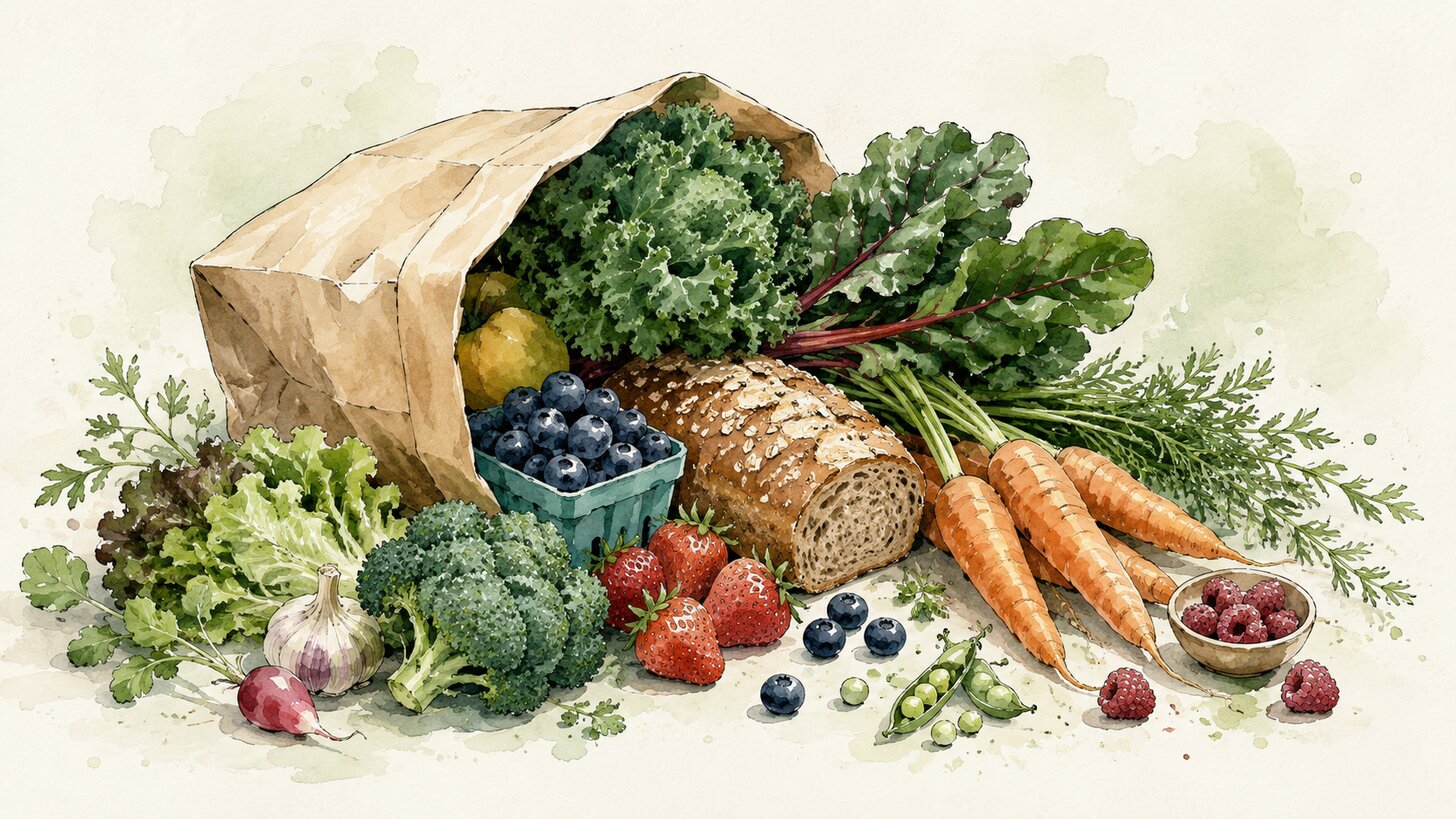
Your printable anti inflammatory grocery list
Here’s the short version to screenshot or print. Grab a handful from each line and you’re set for the week.
- Greens: spinach, kale, arugula, broccoli
- Color: tomatoes, peppers, carrots, beets
- Fruit: blueberries, strawberries, oranges, cherries
- Fish: salmon or sardines, fresh or canned
- Protein and fiber: chickpeas, black beans, lentils
- Grains: oats, brown rice, quinoa
- Fats: olive oil, walnuts, flax or chia
- Flavor: garlic, ginger, turmeric, cinnamon
- Drinks: green tea, coffee, water
- Fresh finish: a tray of microgreens
How to shop this way without overthinking it
The list is only useful if it fits real life. A few small habits make it stick.
- Shop the edges of the store. Produce, seafood, and bulk bins usually line the walls. The middle aisles hold most of the processed stuff.
- Keep a stocked pantry. Canned beans, canned fish, olive oil, oats, and frozen berries mean a good meal is always within reach.
- Buy a couple of quick wins. Pre washed greens and frozen vegetables cut down on excuses on a tired night.
- Don’t chase perfection. A cart that’s mostly from this list beats a perfect cart you can’t keep up.
Common mistakes with an anti inflammatory foods list
- Buying only the trendy items. A single superfood won’t outweigh a diet built on soda and chips. The whole pattern matters.
- Overspending. Frozen produce, canned fish, dried beans, and oats are all cheap. This does not have to be expensive.
- Forgetting the plan at home. Prep a little on the day you shop, so the good food is ready when you’re hungry.
Key takeaways
- An anti inflammatory foods list is mostly vegetables, fruit, fish, beans, nuts, good oils, and spices.
- Shop the perimeter of the store and lean on frozen and canned staples to save money.
- Variety and color matter more than any single food.
- Buy less soda, ultra processed food, and refined grains.
- A small tray of microgreens is an easy way to finish almost any meal.
Frequently asked questions
What is the single best anti inflammatory food?
There isn’t one. Fatty fish, leafy greens, and berries are often named as standouts, but the benefit comes from eating a mix of them regularly, not from any one hero food.
Is an anti inflammatory grocery list expensive?
It doesn’t have to be. Dried beans, oats, frozen vegetables, canned salmon, and in season produce are some of the cheapest foods in the store, and they’re all on the list.
Can I still eat meat and dairy?
Yes, in smaller amounts. This way of eating leans on plants and fish, but a little poultry, eggs, and plain dairy fit fine. It’s about the overall balance of the cart.
How fast will I notice a difference?
Some people feel steadier energy and better digestion within a few weeks. The bigger benefits build over months, so treat it as a habit rather than a quick fix.
This article is general information, not medical advice. If you have a health condition, take medication, or are pregnant or nursing, check with a qualified professional before making big changes to how you eat.