
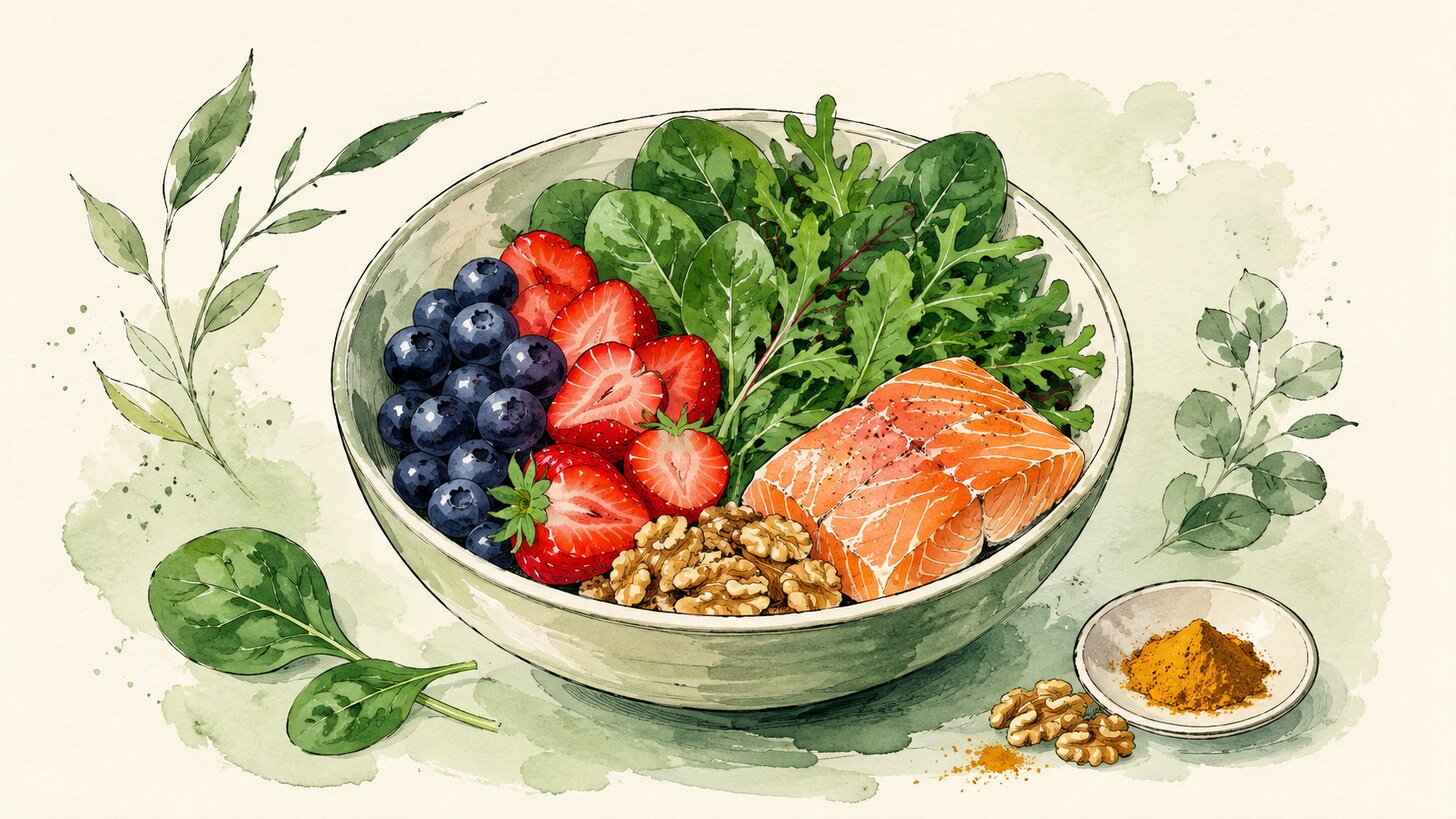
An anti inflammatory diet is a simple way of eating that leans on whole, colorful foods and eases up on the packaged stuff. There’s no membership card and no special aisle at the store. You eat more vegetables, fruit, fish, beans, nuts, and good oils, and you go lighter on sugary drinks, fried food, and heavily processed meals. That’s really the whole idea. The goal is to help calm the low level inflammation that tends to build up over years of typical eating, and to do it with food you actually enjoy.
If that sounds a lot like plain old healthy eating, you’re onto something. An anti inflammatory diet isn’t a strict plan so much as a pattern, and it’s one of the most researched patterns out there. Here’s what it means, what to put on your plate, and how to start without turning your kitchen upside down.
What inflammation actually is
Inflammation is your body’s repair crew. When you cut your finger or fight off a cold, your immune system floods the area with cells and chemicals to heal it, then settles back down. That’s the good kind. It’s short, it’s useful, and it goes away.
The trouble is the slow, quiet kind that never fully switches off. Researchers link this chronic, low grade inflammation to a lot of the health problems that show up later in life, from heart issues to joint pain to blood sugar trouble. Food isn’t the only thing that feeds it. Stress, poor sleep, smoking, and sitting all day play a part too. But what you eat is one of the levers you can actually pull, three times a day, without a prescription.
What an anti inflammatory diet looks like
Most experts point to the Mediterranean way of eating as the closest thing we have to a proven anti inflammatory diet. Think of the foods you’d see on a table in coastal Greece or southern Italy: lots of vegetables, olive oil, beans and lentils, fish a few times a week, fruit for something sweet, and small amounts of meat and dairy rather than big portions.
It works because it’s built on plants, healthy fats, and fiber, and because it naturally crowds out the things that stir inflammation up. You’re not counting anything. You’re just shifting the balance of your plate toward real food.
Foods to put on your plate more often
You don’t need every food on this list every day. Aim for variety across the week and let color be your guide.
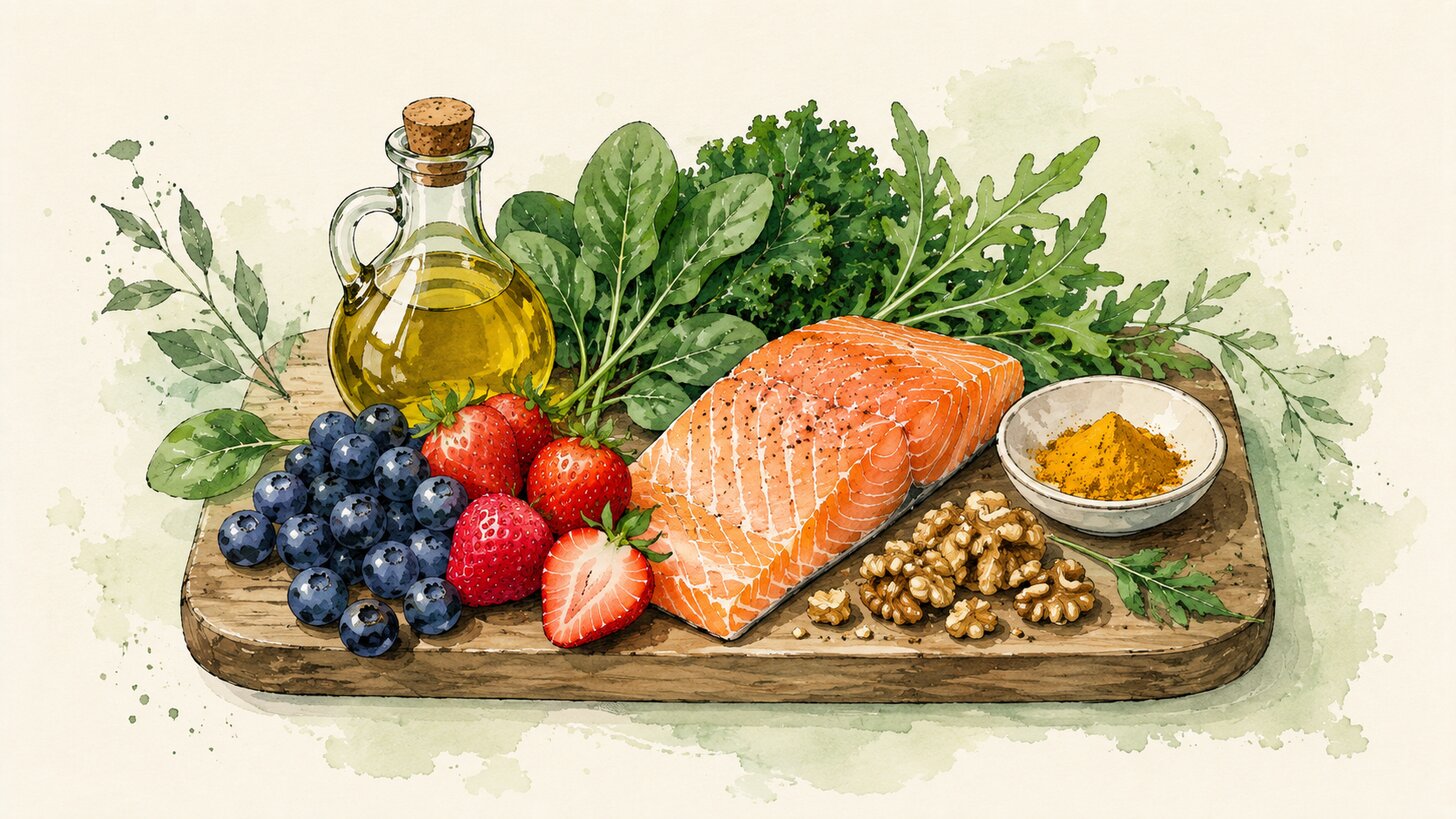
- Fatty fish. Salmon, sardines, mackerel, herring, and anchovies are rich in omega 3 fats, some of the strongest inflammation fighters we know of. Two or three servings a week is a good target.
- Colorful vegetables. Broccoli, tomatoes, peppers, carrots, squash, and leafy greens are packed with antioxidants that help protect your cells. The brighter the plate, the better.
- Berries and whole fruit. Blueberries, strawberries, cherries, and oranges bring polyphenols, natural plant compounds tied to lower inflammation.
- Nuts and seeds. Walnuts, almonds, flax, and chia add healthy fat and fiber. A small handful is plenty.
- Olive oil. Extra virgin olive oil is a staple of this whole pattern. Use it for cooking and for dressing vegetables.
- Beans, lentils, and whole grains. Fiber feeds the good bacteria in your gut, and gut health and inflammation are closely linked.
- Herbs and spices. Turmeric, ginger, garlic, and cinnamon add flavor and a little extra help. Turmeric with a pinch of black pepper is a classic combination.
- Green tea and, in moderation, coffee. Both carry polyphenols. A warm mug of mushroom tea can be a nice caffeine light swap in the evening.
- Microgreens and other tender greens. Tiny greens like broccoli and radish microgreens pack a lot of nutrients into a small handful, and they’re easy to toss on almost anything.
Want an easy on ramp? A glass of fresh vegetable juice covers a few of these at once. Our guide to juicing to fight inflammation walks through simple combinations that taste good and don’t need a fancy machine.
Foods to ease up on
You don’t have to ban anything forever. This is about how often, not never. The foods below tend to push inflammation the wrong way, so treat them as once in a while rather than every day.
- Added sugar and sugary drinks. Soda, sweet tea, energy drinks, and a lot of flavored coffees are the biggest offenders. This is often the single most helpful change to make first.
- Ultra processed foods. Most things built for a long shelf life, like packaged snacks, sugary cereals, instant meals, and boxed baked goods, fall here.
- Refined grains. White bread, white pasta, and white rice act a lot like sugar in the body. Whole grain versions are a gentler swap.
- Fried foods. Deep fried anything, especially from a fryer that’s been running all day, tends to feed inflammation.
- Processed and cured meats. Hot dogs, bacon, deli meats, and sausage are worth keeping occasional.
- Trans fats. These hide in some margarines, refrigerated dough, and nondairy creamers. Check labels for “partially hydrogenated” oil and skip it.
- Too much alcohol. A little may be fine for some people, but more is not better here.
A simple day of anti inflammatory eating
Here’s what a normal day might look like, no chef skills required.
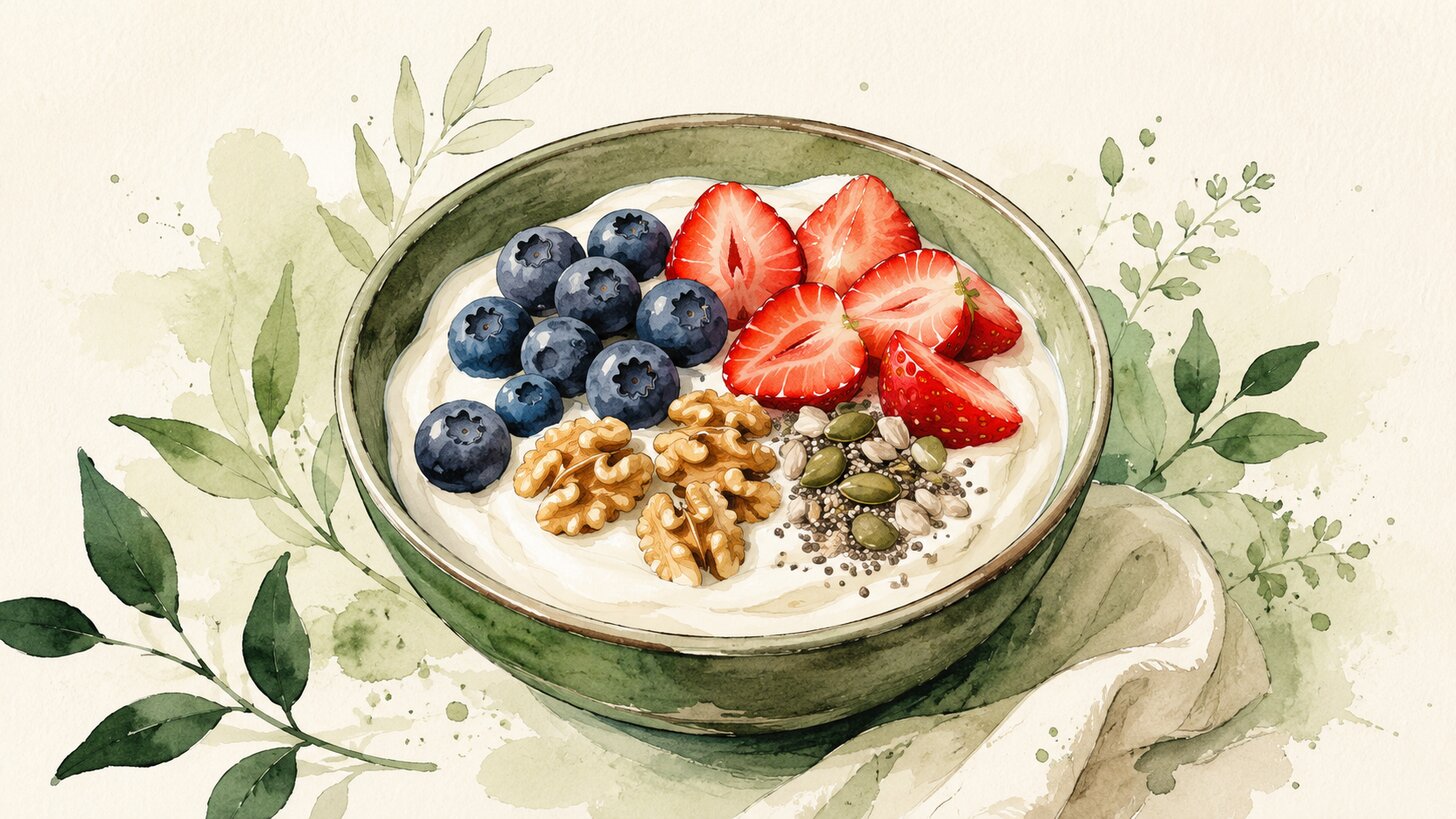
- Breakfast: plain yogurt with berries, a spoon of ground flax, and a few walnuts. Or oatmeal with cinnamon and fruit.
- Lunch: a big salad with leafy greens, chickpeas, tomatoes, and olive oil, plus a piece of whole grain bread.
- Snack: an apple and a small handful of almonds, or carrots with hummus.
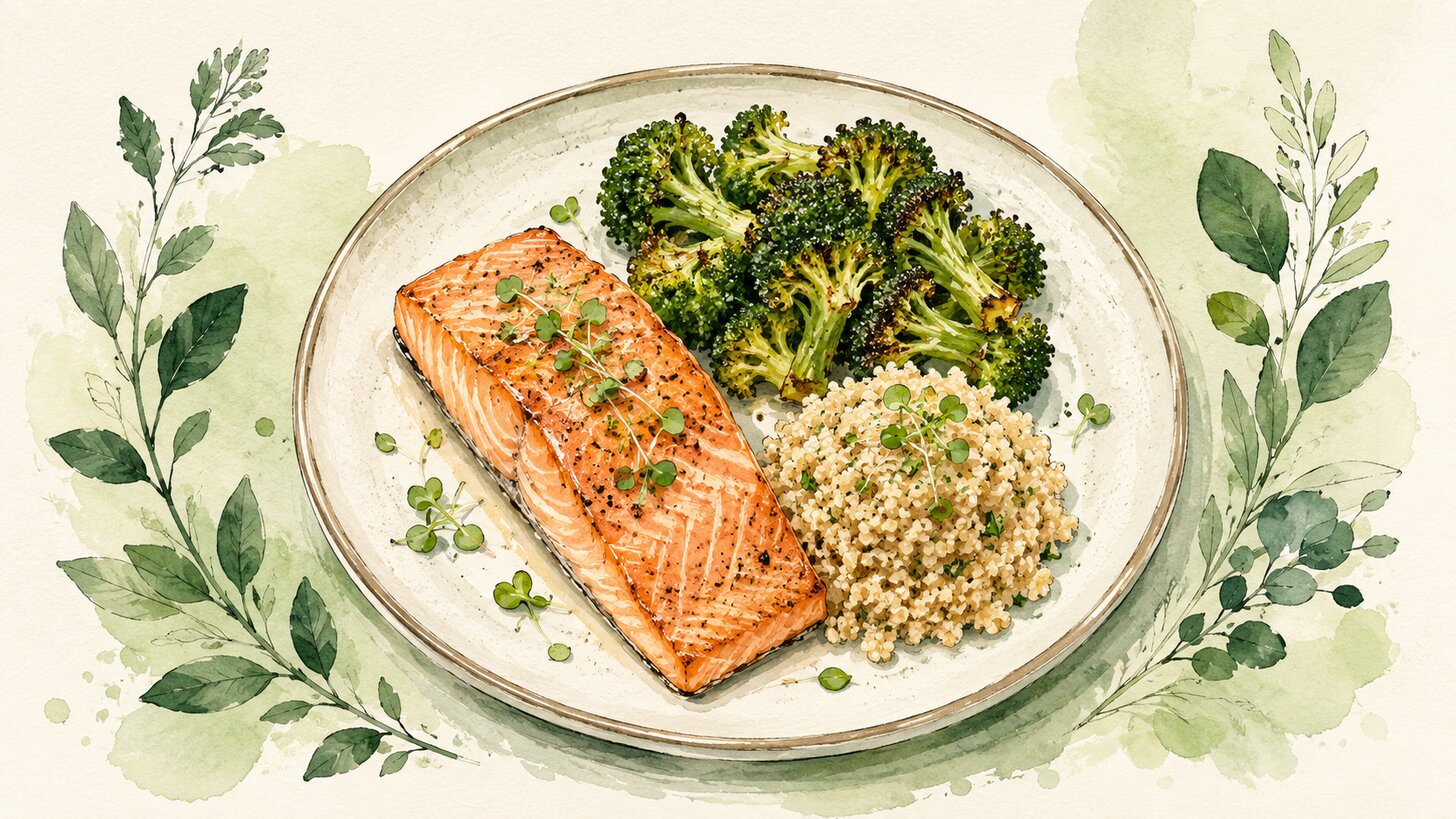
- Dinner: a fillet of salmon, a pile of roasted broccoli, and a scoop of brown rice or quinoa, finished with a scatter of microgreens.
- Drinks: water, green tea, and coffee earlier in the day.
Nothing on that list is exotic or expensive. That’s the point. An anti inflammatory diet is meant to be livable, week after week.
Common mistakes people make
A few things trip people up when they first try this way of eating.
- Chasing one magic food. No single berry, spice, or supplement carries the whole load. The pattern is what matters, not one hero ingredient.
- Buying pricey “anti inflammatory” products. A jar with a health claim on the front is often just expensive. Whole foods you cook at home do more.
- Going all or nothing. People overhaul everything on Monday and quit by Friday. Small, steady swaps stick far better.
- Forgetting the rest of life. Sleep, movement, and stress all affect inflammation. Food helps most as part of the bigger picture.
- Overdoing “healthy” sugar. Honey, agave, and coconut sugar are still sugar. Easy does it.
How to start without overhauling your kitchen
The best version of this diet is the one you’ll keep. So start small and let the wins build on each other.
- Pick one sugary drink to swap for water or tea this week.
- Add a vegetable to one meal a day. That’s it to begin with.
- Cook fish once this week instead of one meat meal.
- Keep frozen berries, canned beans, olive oil, and nuts on hand so the easy choice is always there.
- Add a small handful of greens or microgreens to a meal you already eat.
Do that for a couple of weeks, then add the next small change. Before long the pattern feels normal, and that’s when it starts paying off.
Key takeaways
- An anti inflammatory diet means more whole plant foods, fish, and healthy fats, and less sugar and processed food.
- The Mediterranean pattern is the most researched version of it.
- Focus on the overall balance of your plate, not one miracle food.
- Cutting back on sugary drinks and ultra processed foods is the highest value first step.
- Small, steady swaps beat a dramatic overhaul every time.
Frequently asked questions
How long until an anti inflammatory diet works?
Some people notice steadier energy and better digestion within a few weeks. The deeper benefits build over months, so think of it as a long game rather than a quick fix.
Is it the same as the Mediterranean diet?
They overlap almost completely. The Mediterranean diet is the most common real world example of anti inflammatory eating, so following one usually means following the other.
Can it help with arthritis or joint pain?
Many people with joint pain say eating this way helps them feel better, and it supports overall health either way. It’s a helpful piece of the puzzle, not a replacement for care from your own doctor.
Do I have to give up sugar completely?
No. The aim is less added sugar, not zero. A cookie now and then is fine. It’s the daily soda and the sugar hiding in packaged foods that add up.
This article is general information, not medical advice. If you have a health condition, take medication, or are pregnant or nursing, check with a qualified professional before making big changes to how you eat.