
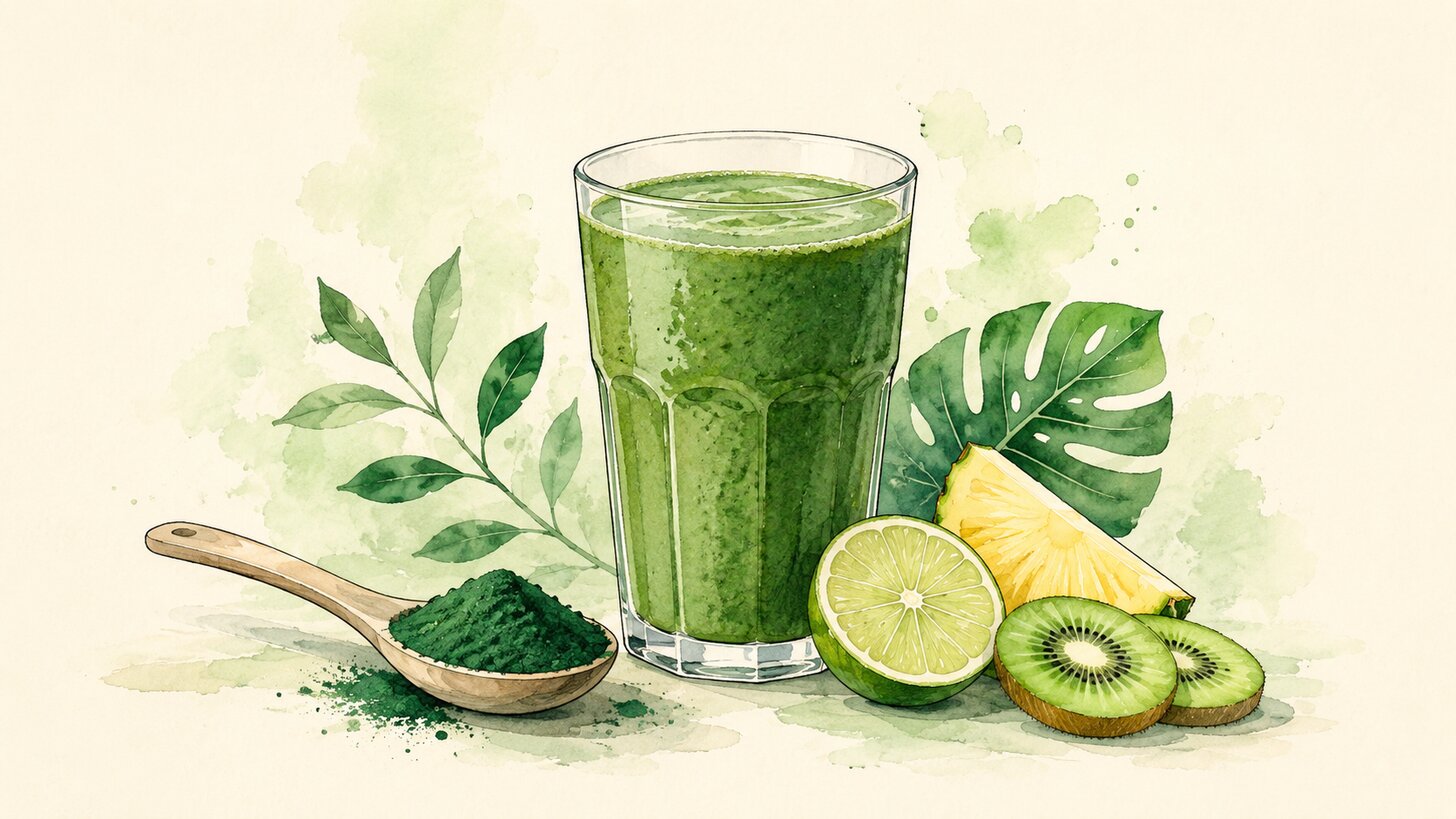
Let’s answer the big question first. What (roughly) does spirulina taste like?
It tastes earthy and grassy, with a green, oceanic note that most people compare to seaweed or pond water, plus a slightly bitter, savory finish. It’s a strong flavor, and it’s the main reason people give up on it before they’ve figured out how to actually enjoy it.
The good news is that the taste is easy to work around once you know what you’re dealing with. This is a plain guide to what spirulina really tastes like, why it tastes that way, and the simple tricks that make it something you’ll actually look forward to.
If you’re brand new to it, our Spirulina 101 guide covers what it is and where it comes from. Here we’re focused on one thing: the flavor, and how to fix it.
What does spirulina taste like, honestly?
Spirulina is a blue green algae, so it tastes the way you might expect something grown in water to taste. The most common words people reach for are earthy, grassy, and marine. Think fresh cut grass mixed with the smell of the ocean at low tide.
There’s also a slightly bitter and savory edge to it. Some people pick up a faintly fishy note, which throws them off since it’s a plant. And underneath it all there’s a mild, nutty finish that comes through more when it’s blended into something rather than taken on its own.
Everyone’s taste buds are a little different. What reads as pleasantly green to one person can taste like a mouthful of lake to another. That’s normal, and it doesn’t mean your spirulina has gone bad.
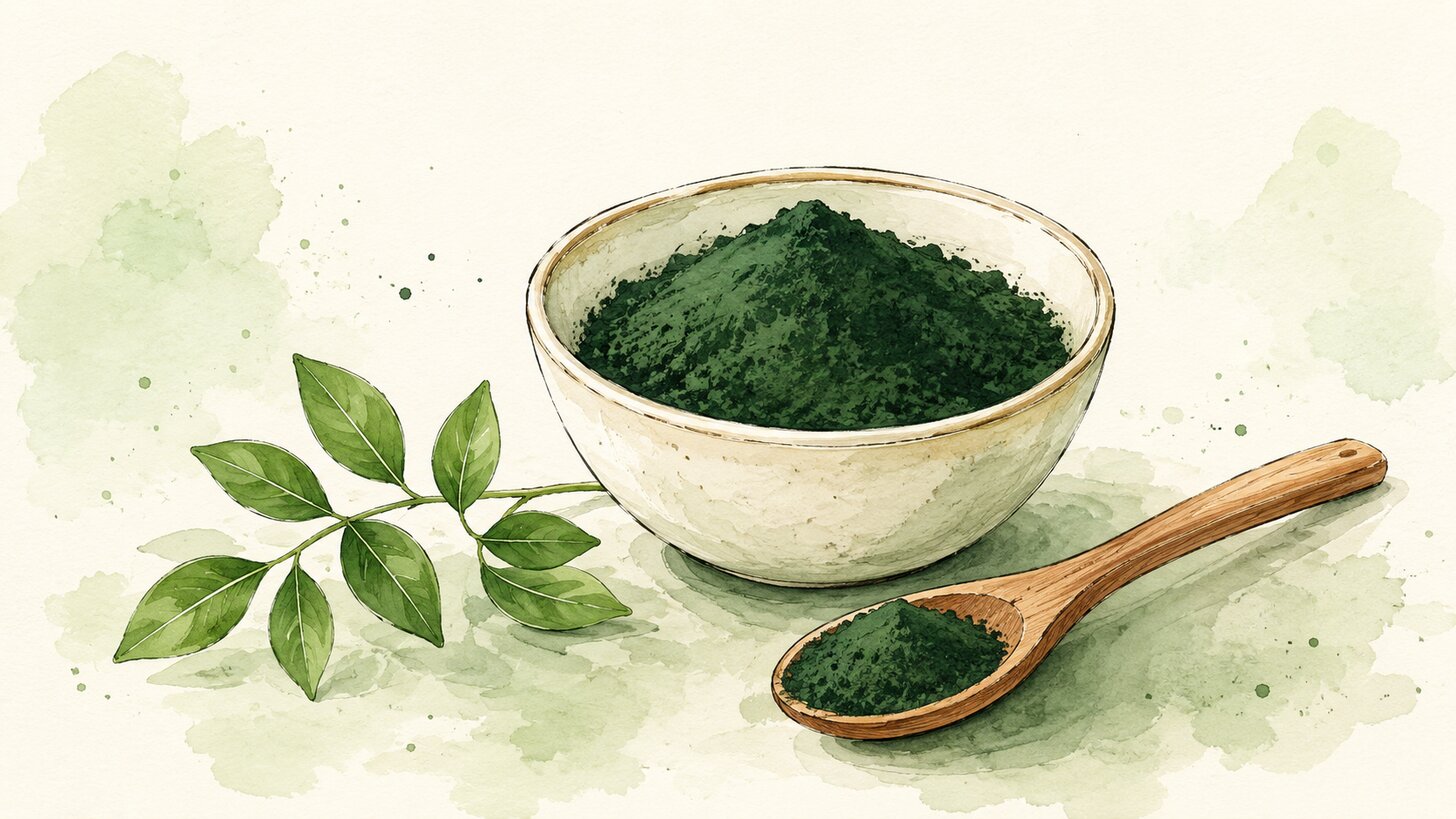
Why spirulina tastes the way it does
The flavor isn’t random. It comes from the natural compounds the algae makes as it grows. A few things are doing most of the work.
Chlorophyll, the pigment that makes it so deeply green, brings that grassy, slightly bitter taste you get from a lot of leafy greens. The natural minerals from the water it’s grown in add a mineral, almost salty quality. And a blue pigment called phycocyanin gives spirulina its savory, umami depth.
Put those together and you get that big, green, oceanic flavor. It’s strong because spirulina is concentrated. A small spoon of powder is a lot of algae packed into a tiny amount, so the taste lands hard if you take it straight.
Does the form change the taste?
A little, yes. Powder has the strongest, most immediate flavor because it dissolves and coats your whole mouth. It’s also the most flexible for cooking and blending, which is why most people use it.
Tablets and capsules mostly get you past the taste, since you swallow them quickly with water. If flavor is your dealbreaker and you just want the nutrition, that’s a fair way to go.
Fresh or frozen spirulina, which you’ll sometimes find from specialty growers, tends to taste milder and cleaner than dried powder, with less of the strong dried algae punch. It’s harder to find and doesn’t keep as long, but it’s worth trying if you ever get the chance.
How to make spirulina taste good
Here’s the part that matters. You don’t have to love the taste of spirulina to enjoy having it in your day. You just have to pair it with the right flavors. The rule is simple: sweet and sour beat earthy.
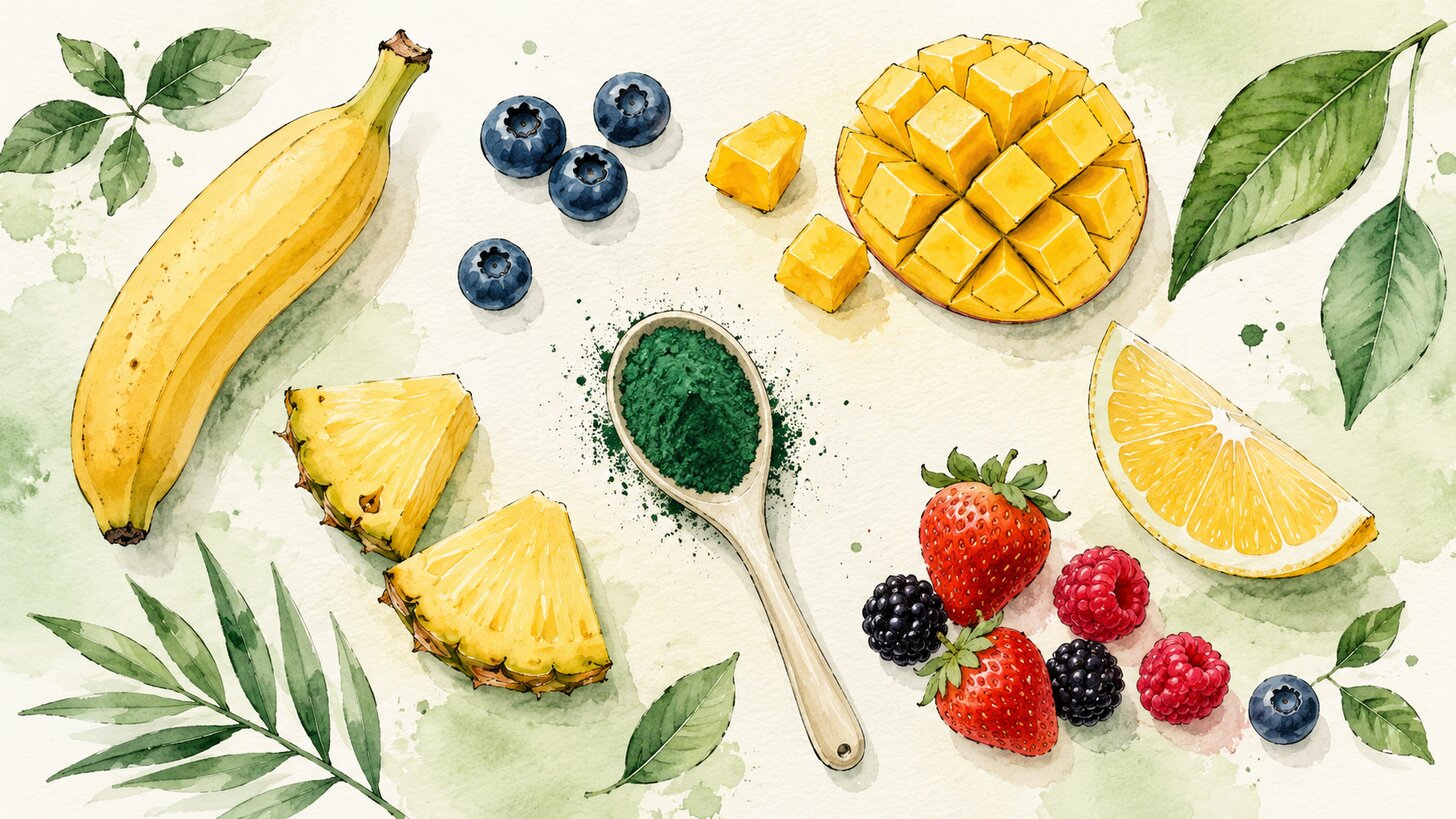
A fruit smoothie is the easiest win. Banana, mango, pineapple, and berries bring sweetness and a little acid that cover the grassy notes almost completely. A squeeze of citrus, a knob of ginger, or a spoon of cocoa all pull in the same direction and mask the algae taste.
Fat helps too. A little avocado, nut butter, or yogurt rounds out the flavor and softens the edge. If you want more smoothie ideas, our post on easy ways to use spirulina is full of them.
Spirulina also disappears nicely into savory food. Stir it into pesto, salad dressing, hummus, or guacamole, where the garlic, lemon, and herbs carry the flavor and the green just blends in. A little goes a long way here. Half a teaspoon stirred into a bowl of guacamole, for example, deepens the color and adds a savory note without tasting like algae at all.
Two more tricks. Start with a small dose, about a quarter teaspoon, and build up as you get used to it. And keep it cold. Heat brings out the bitterness, so always mix spirulina into cold or room temperature drinks and foods, never anything hot.
A simple beginner smoothie that works
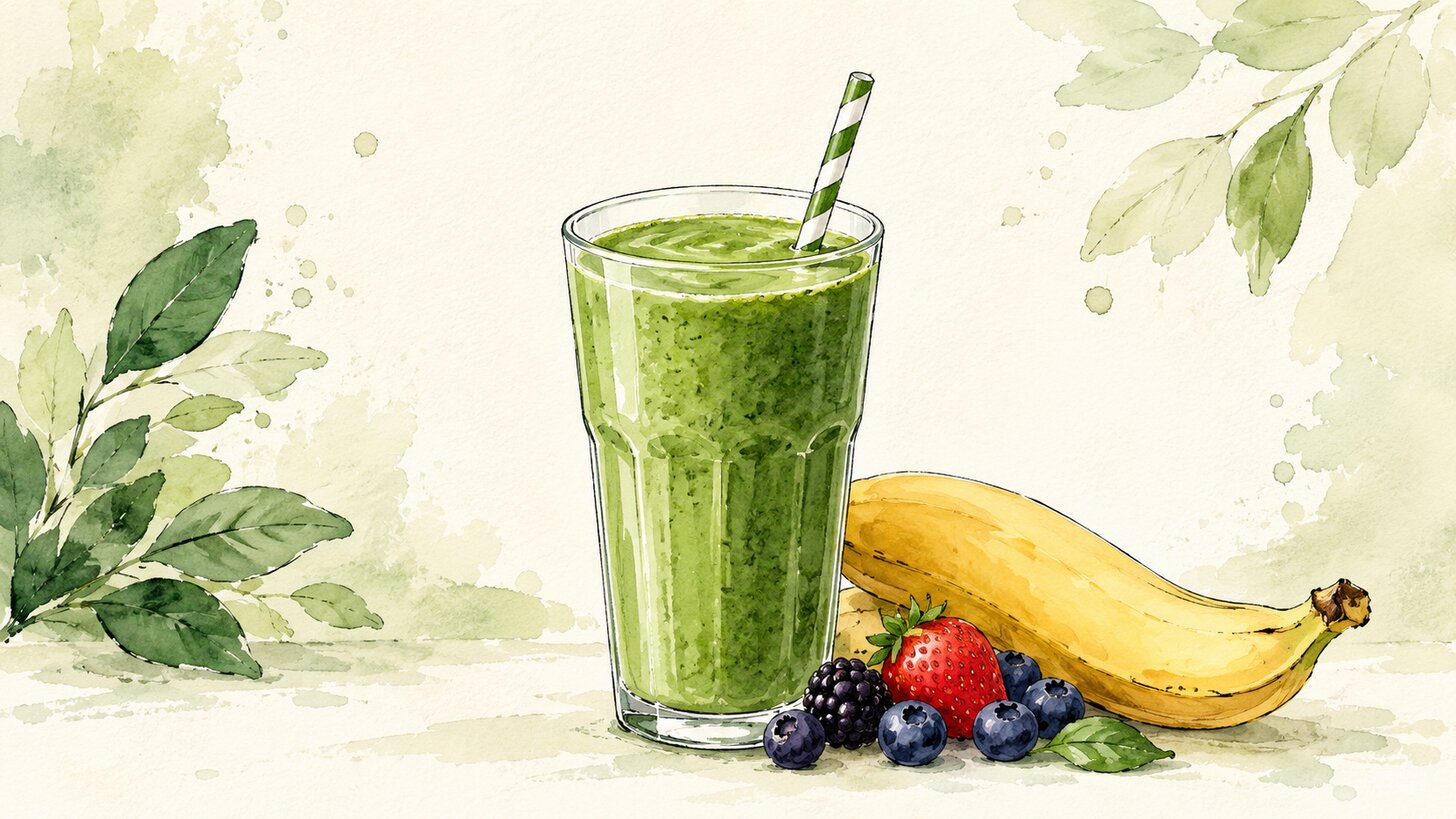
Here’s a real one to start with. Blend one frozen banana, a handful of frozen pineapple or mango, a cup of your milk of choice, a squeeze of lime, and a quarter teaspoon of spirulina. That’s it.
The banana and tropical fruit do the heavy lifting on sweetness, the lime brightens everything, and the spirulina mostly just turns it a gorgeous green. Once that tastes good to you, bump the spirulina up to half a teaspoon, then a full one. Most people find they’ve adjusted to the flavor within a couple of weeks.
Common mistakes that make spirulina taste worse
The number one mistake is taking it straight in plain water. Water does nothing to balance the flavor, so you get the full earthy, bitter hit with nothing to soften it. Almost everyone who says they can’t stand spirulina started this way.
The second is using too much too soon. A heaping spoon on day one will overwhelm whatever you put it in. Start small and let your palate catch up.
The third is adding it to hot drinks or cooking it into warm dishes. Heat makes the bitterness louder, and you also lose some of the delicate nutrition. Keep it cool and blend it fresh. A common slip is stirring spirulina into hot tea or coffee, which brings out the worst of the flavor. Save it for your cold smoothie instead.
Key takeaways
- Spirulina tastes earthy, grassy, and marine, like a mix of fresh grass and the sea, with a slightly bitter, savory finish.
- That flavor comes from its natural pigments and minerals, not from spoilage.
- Powder has the strongest taste; tablets skip it; fresh or frozen is milder.
- Sweet and sour flavors like banana, mango, berries, and citrus mask it best.
- Start with a small dose, keep it cold, and never mix it into hot liquids.
Frequently asked questions
Does spirulina taste fishy?
Some people pick up a faint fishy or oceanic note, even though spirulina is a plant. It comes from the marine, mineral quality of the algae. Blending it with fruit and citrus covers that note easily.
Is spirulina supposed to taste bad?
Strong is more accurate than bad. On its own the flavor is intense and earthy, which many people dislike at first. Paired with the right ingredients, it becomes mild and easy to drink, and plenty of people grow to like it.
How do you mask the taste of spirulina?
Blend it into a fruit smoothie with banana, mango, pineapple, or berries, and add a squeeze of citrus. Cocoa, ginger, and a little honey help too. Keep the dose small and the drink cold for the smoothest result.
Does spirulina taste like matcha?
Not really. Both are green and a little grassy, but matcha is more vegetal and slightly sweet, while spirulina is earthier, more mineral, and more savory. If you like green flavors, though, you’ll likely adjust to spirulina quickly.
So what does spirulina taste like in the end? Strong, green, and a little of the sea, but never a flavor you’re stuck with. Pair it with something sweet and bright, start small, and keep it cold, and that tiny spoon of green becomes the easiest part of your day.
This article is general information, not medical advice. If you have a health condition, take medication, or are pregnant or nursing, check with a qualified professional before adding spirulina or any supplement to your routine.