
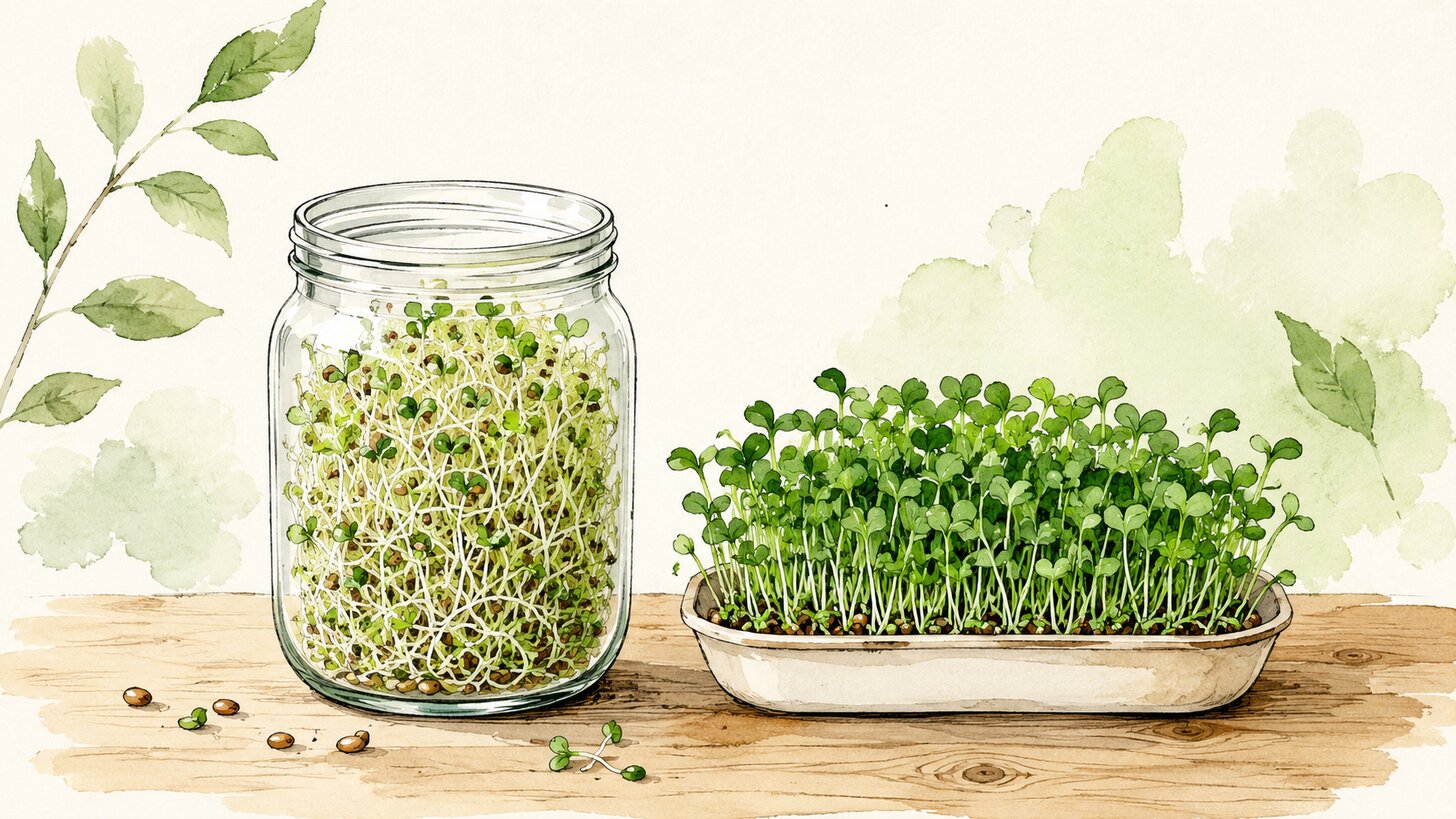
If you’ve shopped for healthy greens lately, you’ve probably run into both sprouts and microgreens, and they can look almost the same in a clamshell. With sprouts vs microgreens, the difference is real, and it changes how you grow them, how safe they are to eat, and how much nutrition you get. The quick version: sprouts are germinated seeds you eat whole, roots and all, after a few days in water. Microgreens are slightly older baby plants grown in soil or on a mat under light, and you cut off just the stems and leaves.
Both are tiny, fresh, and packed with flavor. But they’re not two names for the same thing. Here’s a plain look at how they differ, which one is safer, which one tends to be more nutritious, and how to decide what to eat or grow.
Sprouts vs microgreens: the short answer
Most of the sprouts vs microgreens confusion clears up once you see how each one grows. A sprout is a seed that has just woken up. You soak seeds in water, keep them warm and moist for about 2 to 5 days, and eat the whole thing once the little tail appears. No soil, no sunlight, no cutting. Think of the crunchy alfalfa or mung bean sprouts on a sandwich or in a stir fry.
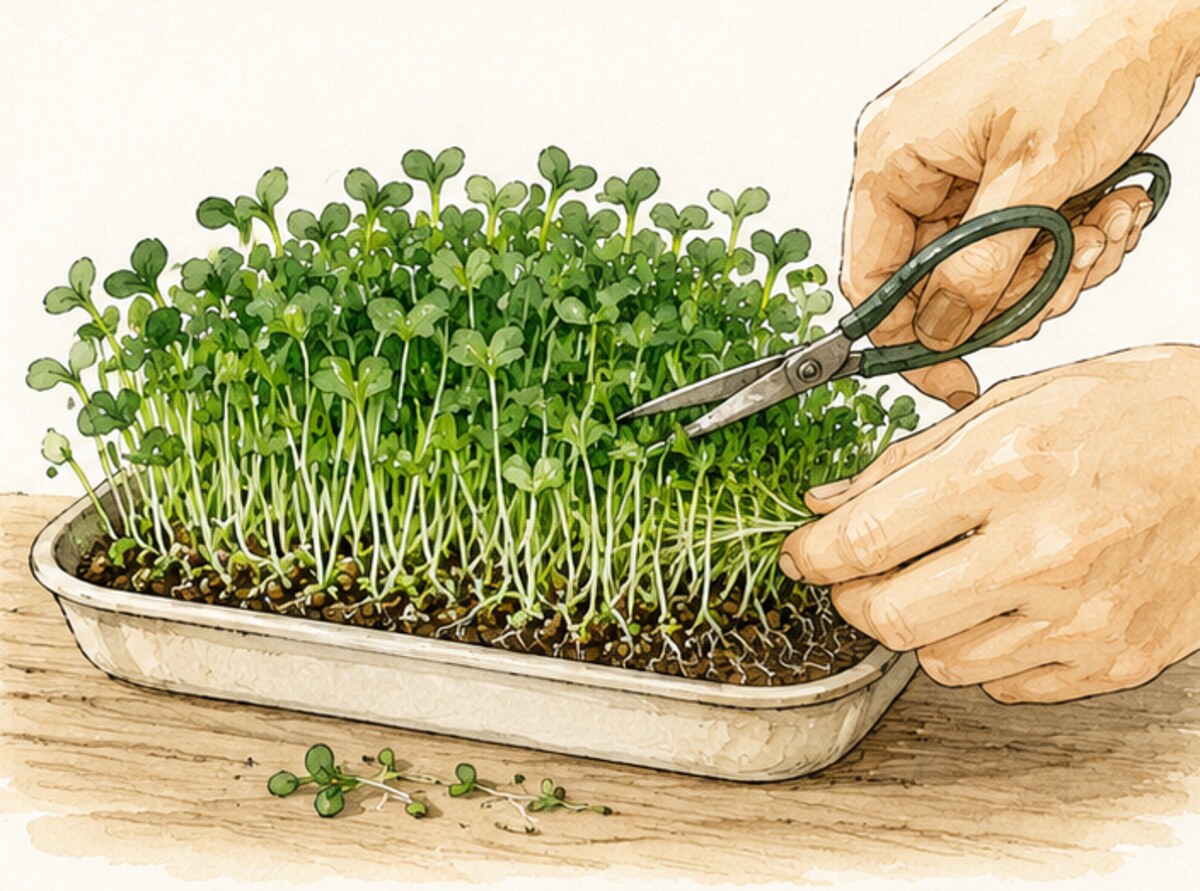
A microgreen is the next stage. You sow seeds densely on soil or a growing mat, give them light, and let them grow for about 7 to 21 days until the first real leaves show. Then you snip the stems above the soil and leave the roots behind. The greens on your fancy avocado toast are usually microgreens.
The single biggest practical difference is food safety, and we’ll get to why in a moment. If you want the full primer on the tiny greens themselves, our guide to what microgreens are covers the basics.
How sprouts are grown
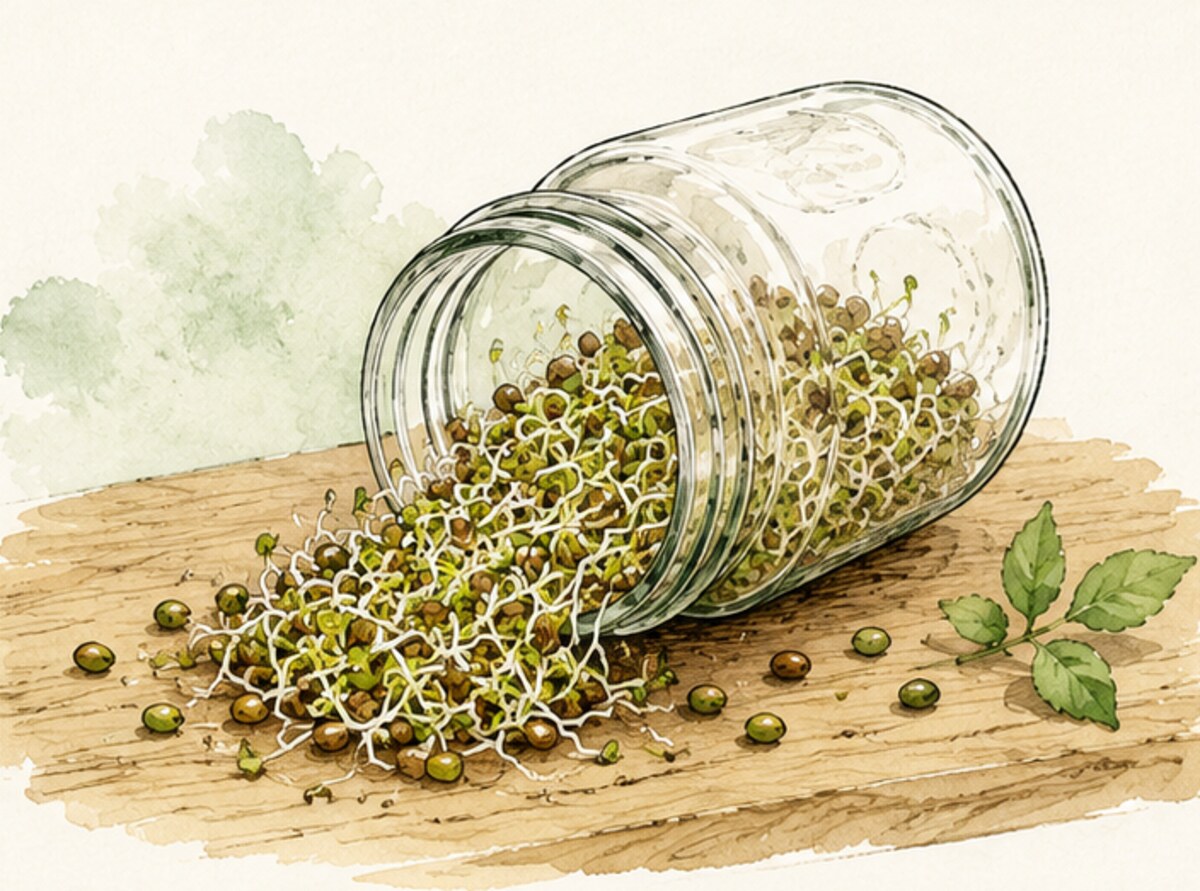
Sprouting is about as simple as growing food gets. You rinse a spoonful of seeds, soak them overnight, then drain and rinse them a couple of times a day inside a jar or a sprouting tray. They grow in a warm, dark, humid spot on your counter.
Within a few days the seeds swell, split, and push out a pale root tail. That whole sprout, seed, root, and shoot, is what you eat. Common ones are alfalfa, broccoli, radish, mung bean, and lentil. Because there’s no soil and no light needed, you can sprout on a kitchen counter with almost no gear.
The catch is that the same warm, moist, dark conditions that make seeds sprout also make bacteria happy. Keep that in mind, because it’s the heart of the safety question below.
How microgreens are grown
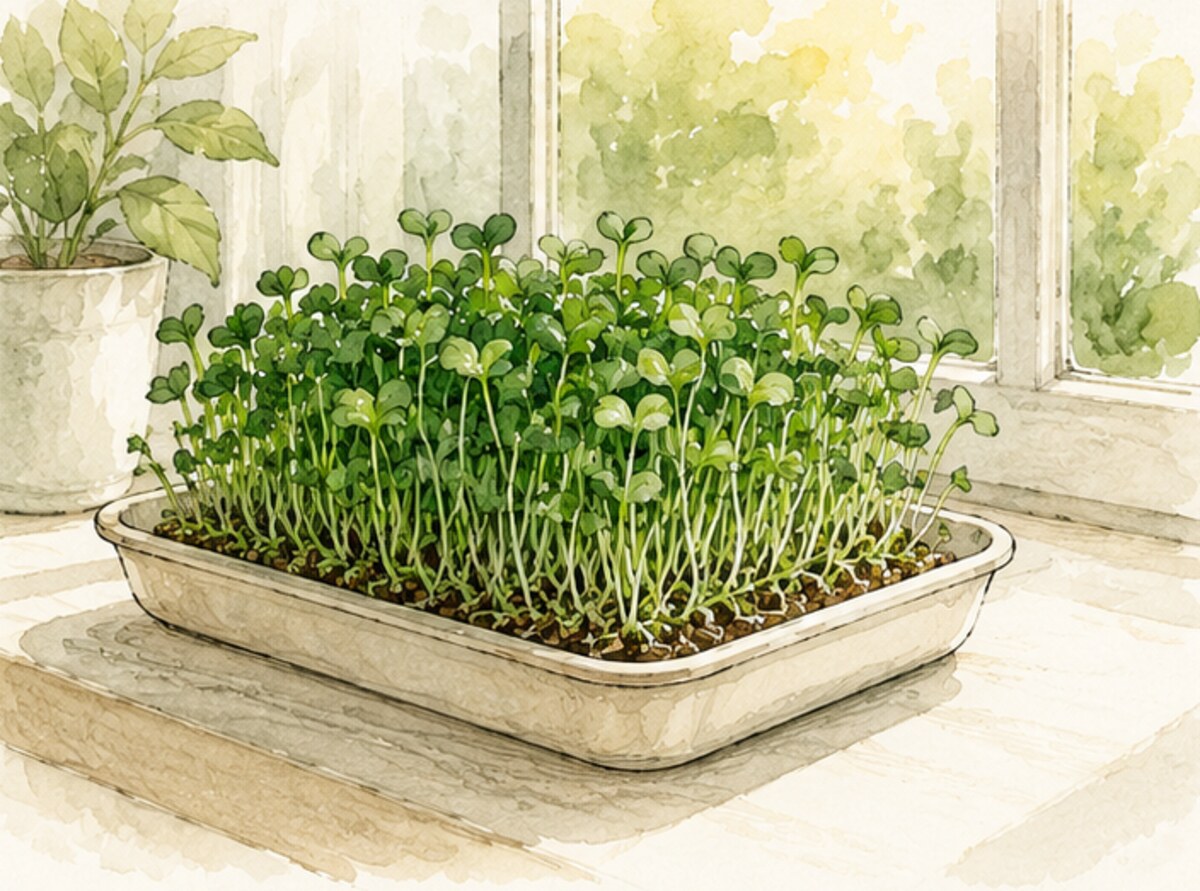
Microgreens take a little more effort and a little more time. You scatter seeds across a shallow tray of soil or a hydroponic mat, mist them, and cover them for a few days so they germinate. Once they sprout, you move the tray into bright light, a sunny windowsill or a simple grow light, and keep the soil damp.
Over the next week or two the plants stretch up and open their first leaves. When they reach a couple of inches tall, you cut the stems just above the soil line with clean scissors. You never pull up or eat the roots, which is a key reason microgreens tend to carry less risk than sprouts.
If you want to try it yourself, our complete guide to growing microgreens at home walks through trays, seeds, light, and harvest. Beginners usually start with broccoli, pea, radish, or sunflower, which you can read about in our roundup of the best microgreens to grow for beginners.
The biggest difference is food safety
This is where sprouts and microgreens really part ways. Sprouts grow in warm, humid, low airflow conditions, and you eat the entire seed and root. If a seed carries bacteria like Salmonella or E. coli, those warm damp conditions can let it multiply, and there’s no cooking step to kill it. Raw sprouts have been tied to dozens of foodborne illness outbreaks in the United States since the 1990s, which is why the FDA flags them as a higher risk food.
Microgreens have a much cleaner track record. They grow above the surface with light and airflow, and you harvest only the stems and leaves while the roots and seed hulls stay behind in the tray. That means the part most likely to hold bacteria never reaches your plate. Reported problems with microgreens are far fewer and less severe.
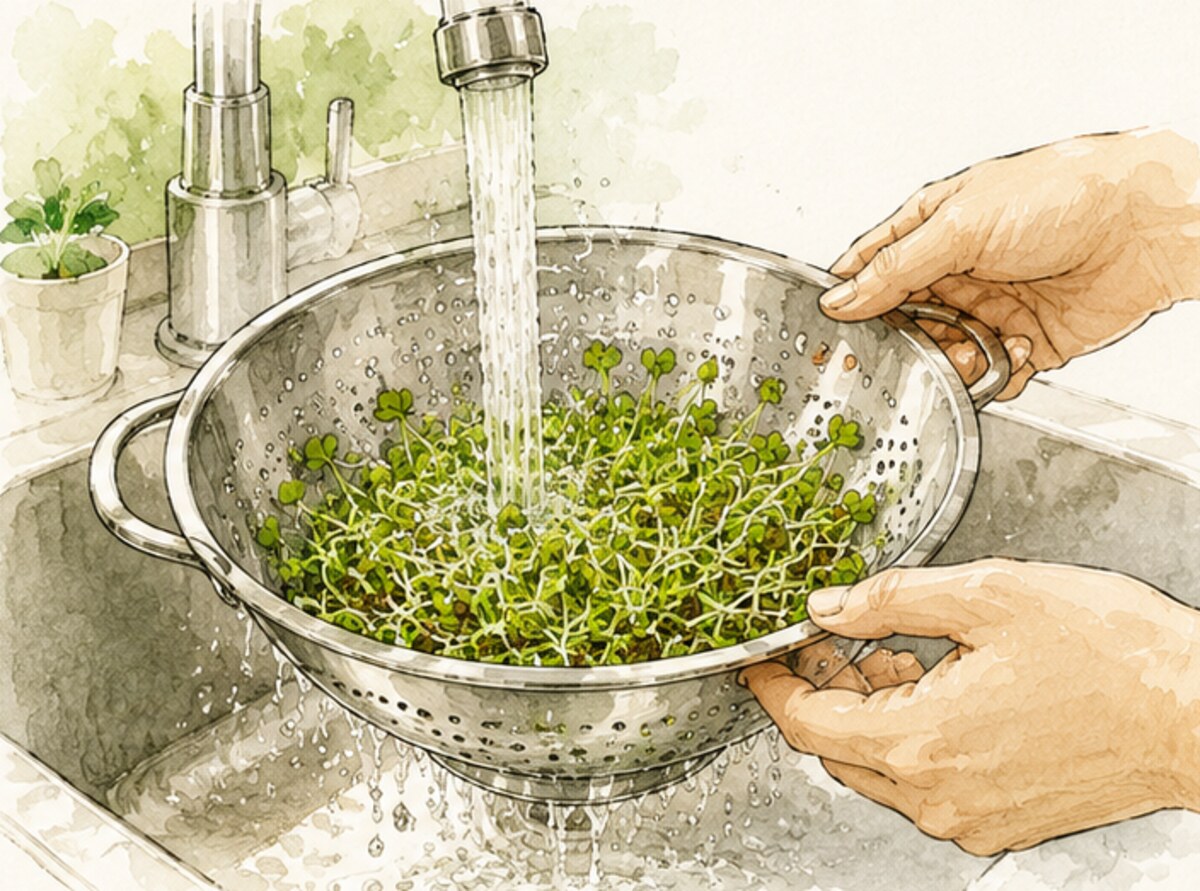
That doesn’t make either one risk free. Anyone who is pregnant, very young, older, or has a weak immune system is usually told to cook sprouts rather than eat them raw. Cooking sprouts thoroughly kills most harmful bacteria, and rinsing any raw greens well before eating is always smart.
Which one is more nutritious?
Both are nutritious, but they shine in slightly different ways. Sprouts go through germination, which wakes up the seed and can make certain nutrients easier for your body to absorb. They’re hydrating, low in calories, and give you a fresh crunch for almost no cost.
Microgreens get an edge from light. Because they photosynthesize for a week or more, they build up more vitamins and plant compounds than a seed that never saw the sun. Research has reported that microgreens can hold far higher concentrations of some nutrients than the same plant grown to full size, sometimes several times more. Keep that figure general, since it varies a lot by variety and growing method.
The honest takeaway is that you don’t have to choose a winner. Sprouts and microgreens both add real vegetables to your day. If you care most about vitamin and antioxidant content, microgreens usually come out slightly ahead. If you want the fastest, cheapest fresh green possible, sprouts are hard to beat. You can dig into variety by variety detail in our microgreens nutrition chart.
Taste, cost, and how you use them
Flavor is where you’ll notice a difference at the table. Sprouts are mild and crunchy, with a fresh snap that works in sandwiches, wraps, and stir fries. Microgreens pack a stronger punch. Radish microgreens are peppery, pea shoots are sweet, and sunflower is nutty, so a small handful adds a lot of flavor.
On cost, sprouts win. A jar of seeds and some water is all you need, and a little seed makes a lot of food in a few days. Microgreens need trays, soil or mats, and light, so the setup costs more, though it’s still cheap once you’ve got the gear.
Use sprouts when you want volume and crunch. Use microgreens when you want a burst of color and flavor on top of a finished dish. A quick real world example: on a busy Tuesday you might pile mung bean sprouts into a rice bowl for bulk, then scatter a pinch of radish microgreens over your eggs the next morning for a sharp, fresh bite.
Common mistakes people make
The most common mix up is thinking sprouts and microgreens are the same food with two names. They overlap, but the growing method, the safety profile, and how you eat them are all different.
A few other slips to avoid:
- Eating microgreen roots. Snip the stems above the soil. The roots and any leftover seed hulls stay in the tray, not on your plate.
- Skimping on rinsing sprouts. Rinse two to three times a day while they grow, and give store bought sprouts a good rinse too.
- Letting either one sit wet. Excess moisture invites mold. Drain sprouts well and don’t overwater microgreen trays.
- Serving raw sprouts to anyone vulnerable. For young kids, older adults, pregnant people, or anyone with a weak immune system, cook sprouts first.
- Growing in a stuffy corner. Both like some airflow. A little fresh air keeps mold down and plants healthy.
Which should you grow at home?
For most home growers, the sprouts vs microgreens decision comes down to time and effort. If you’re brand new and want a fast, almost free win, start with sprouts. You can have edible sprouts in under a week with just a jar. Follow safe rinsing habits, use clean seeds meant for sprouting, and cook them if you fall into a higher risk group.
If you want a little more flavor, more nutrition, and a lower safety risk, microgreens are worth the small extra effort. They take a week or two, need light, and reward you with greens that taste like a grown up version of the plant. Many home growers end up doing both, sprouts for volume and microgreens for that finishing touch.
Key takeaways
- Sprouts are germinated seeds grown in water for 2 to 5 days and eaten whole, roots included.
- Microgreens grow in soil or on a mat under light for 7 to 21 days, and you eat only the stems and leaves.
- Food safety is the biggest difference. Raw sprouts carry more risk, so cook them if you’re vulnerable.
- Microgreens tend to be slightly more nutritious thanks to light, while sprouts are faster and cheaper.
- You don’t have to pick one. Both add fresh, real greens to your meals.
Frequently asked questions
Are microgreens just older sprouts?
Not quite. They’re a later growth stage, but they’re grown differently too. Sprouts grow in water in the dark and get eaten whole. Microgreens grow in a medium under light, and you cut off just the tops.
Are sprouts or microgreens safer to eat raw?
Microgreens are generally safer raw because you eat only the stems and leaves, not the seed or root, and they grow with light and airflow. Raw sprouts carry more risk and are often recommended cooked, especially for anyone with a weakened immune system.
Can you grow both from the same seeds?
Often yes. Broccoli, radish, and many others work for both. The difference is the method: sprout them in a jar of water, or sow them on soil under light to grow microgreens.
Which one is better for gut health?
Both add fiber and plant compounds that support your gut. Microgreens like broccoli bring extra fiber and beneficial compounds, which you can read more about in our guide to gut health foods.
This article is general information, not medical advice. If you have a health condition, take medication, or are pregnant or nursing, check with a qualified professional before making changes to your diet, especially around raw sprouts.