
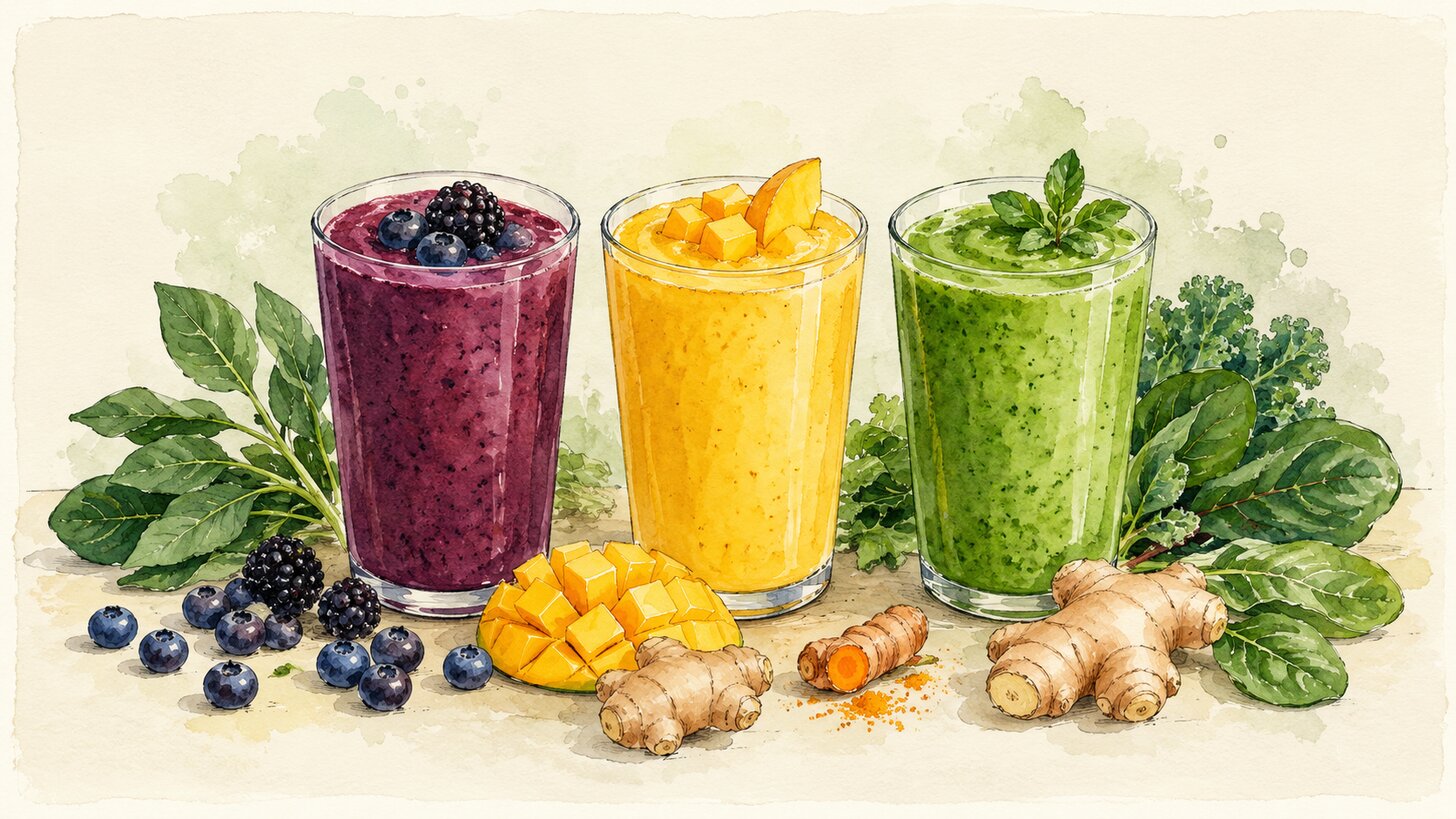
You blend something green, choke it down because it’s supposed to be good for you, and then never make it again. That’s how most healthy smoothies end. The idea is fine, but the glass tastes like a lawn, so the blender goes back in the cupboard for another six months.
Here’s the thing though. A drink built to ease inflammation doesn’t have to taste like punishment. When you pick the right handful of ingredients, berries, leafy greens, a little ginger and turmeric, you get something that actually tastes like breakfast and happens to be loaded with the plant compounds researchers keep pointing to. The trick is knowing which few things carry the weight, and how to make them go down easy.
Below are five recipes you can rotate through, plus a simple formula so you’re never stuck staring at the fridge. Each one leans on real food you can buy at any grocery store. No powders you’ll use once and forget.
What makes a smoothie anti inflammatory
Inflammation is your body’s normal response to stress, injury, or a rough diet. A little is healthy and helps you heal. The problem is the low grade, always on kind that quietly wears on you over years, and food is one of the levers you can actually pull.
An anti inflammatory smoothie isn’t one magic recipe. It’s any blend built around whole plant foods rich in antioxidants and polyphenols, the colorful compounds that seem to help calm inflammatory activity in the body. Think deep blues, bright reds, and dark greens. If a smoothie is mostly juice and sugar, it misses the point. If it’s mostly produce, you’re on the right track.
Why these ingredients calm inflammation
You don’t need to memorize the science, but a little of it helps you build a better glass. Here’s what each core ingredient brings.
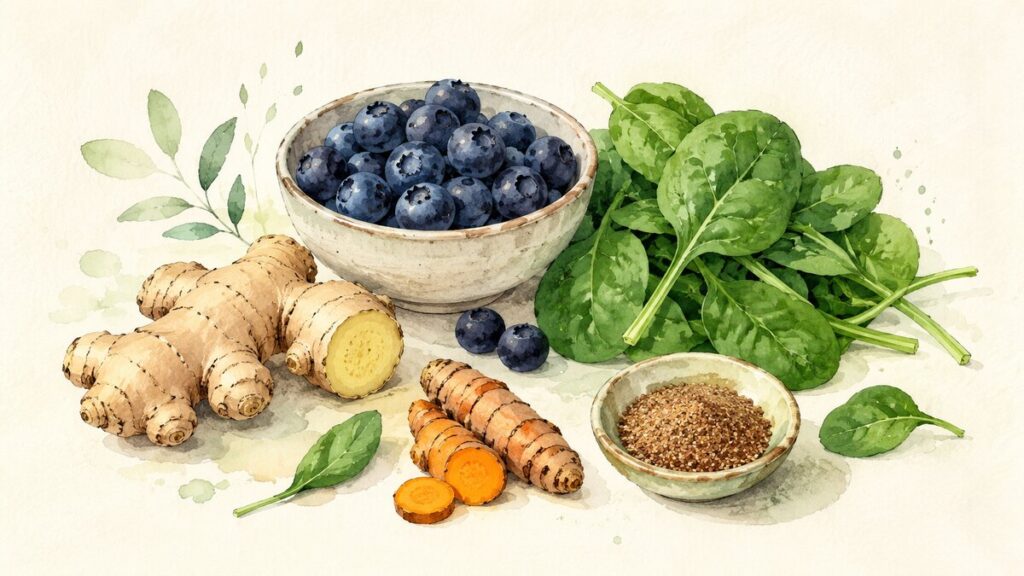
Berries are the easy win. Blueberries, blackberries, raspberries, and strawberries are packed with anthocyanins, the pigment that makes them so dark and also gives them their antioxidant punch. They’re sweet, they blend well, and frozen ones are cheap year round.
Leafy greens like spinach, kale, and arugula bring polyphenols, vitamin K, and fiber. Spinach is the gentlest starting point because it all but disappears into fruit. You get the plants without the salad taste, which is the whole appeal of blending them.
Ginger and turmeric are the pair worth learning. Ginger carries gingerol and turmeric carries curcumin, two compounds studied closely for their anti inflammatory effects. One catch with turmeric: curcumin is hard for your body to absorb on its own. A pinch of black pepper and a little fat, like the natural fat in coconut milk or a spoon of nut butter, make a real difference in how much your body can actually use.
Finally, a healthy fat such as avocado, ground flaxseed, or chia does two jobs. It makes the drink creamy and filling, and it helps you absorb the fat soluble goodies from the produce. Flax and chia also add a plant based source of omega 3s, which fit the anti inflammatory picture too.
5 anti inflammatory smoothies to start your day
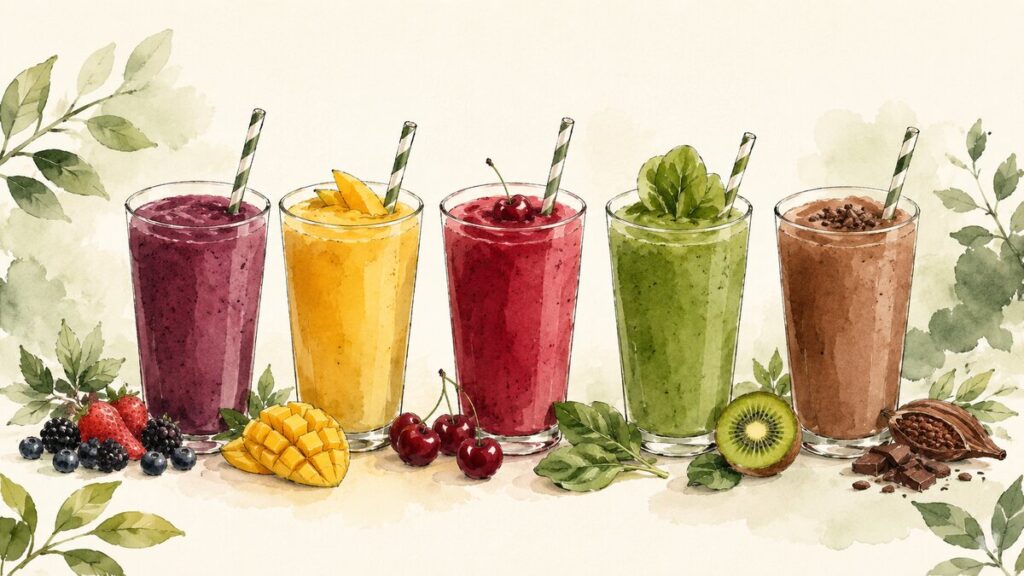
Each recipe makes one big glass or two small ones. Toss everything in the blender, add liquid to the line you like, and run it until smooth. Use frozen fruit where you can. It makes the drink thick and cold without watering it down with ice.
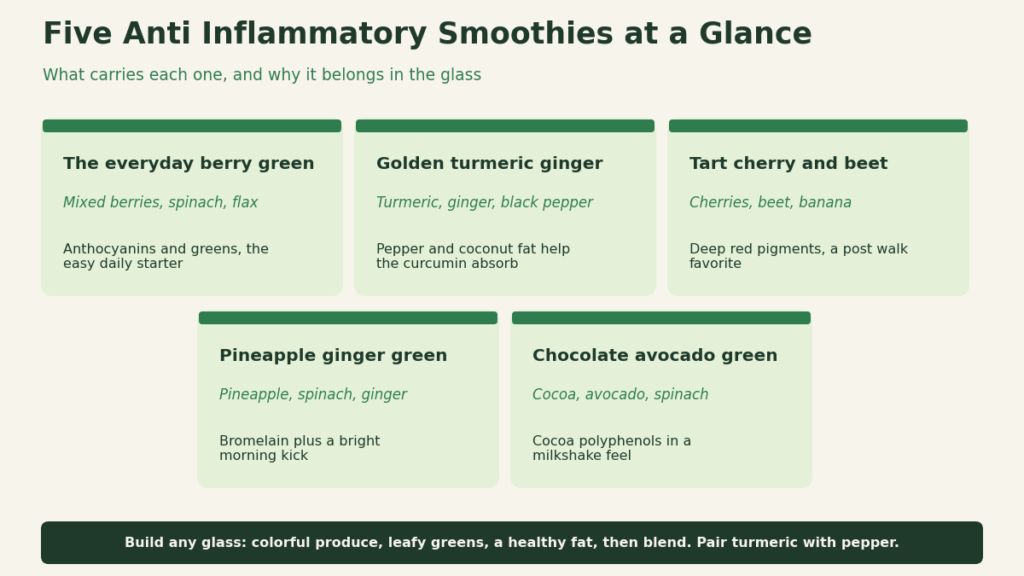
1. The everyday berry green
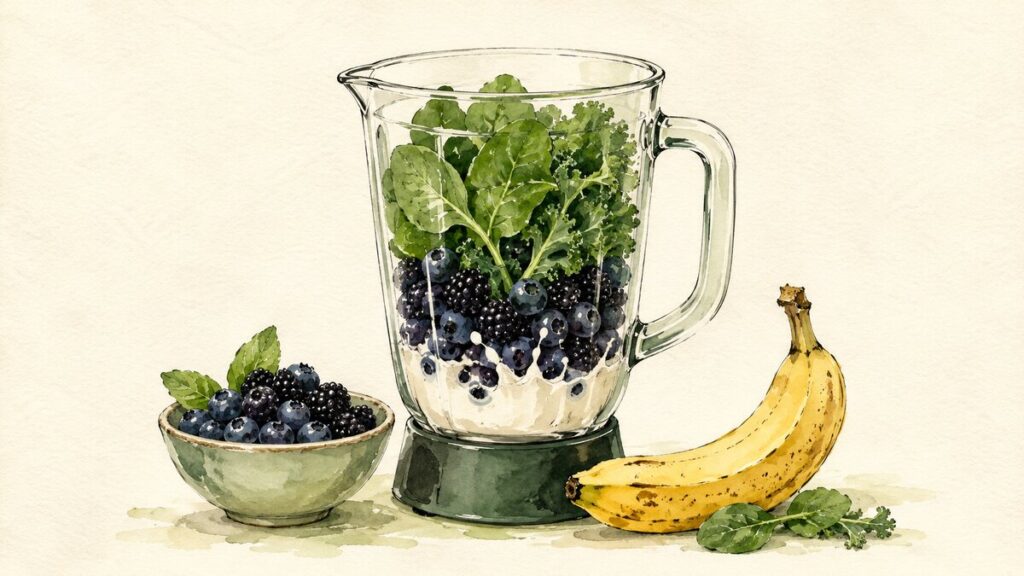
This is the one to make when you’re new to green smoothies. A cup of frozen mixed berries, a big handful of fresh spinach, half a banana, a spoon of ground flaxseed, and a cup of unsweetened milk of your choice. The berries hide the spinach completely, and the banana rounds out the sweetness. If you only make one of these, make this one.
2. Golden turmeric ginger
Warm, a little tropical, and built around the turmeric pepper trick. Use a cup of frozen mango, half a teaspoon of ground turmeric, about a teaspoon of fresh grated ginger, a small pinch of black pepper, and a cup of light coconut milk. The mango does the sweetening and the coconut fat helps the curcumin along. Start light on the turmeric until you know how much earthiness you like.
3. Tart cherry and beet
Deep red and a little earthy in a good way. Blend a cup of frozen cherries, a small cooked beet or a couple spoons of plain beet puree, half a banana, and a cup of water or milk. Cherries and beets are both dark red for a reason, they’re rich in the same color pigments that make berries so useful. This one is a favorite after a long walk or a workout.
4. Pineapple ginger green
Bright and zippy. A cup of frozen pineapple, a handful of spinach, a thumb of fresh ginger, half a green apple, and a cup of water. Pineapple brings bromelain, an enzyme people reach for to support digestion, and the ginger gives it a little heat. This is the one that wakes you up on a slow morning.
5. Chocolate avocado green
The one that feels like a treat. Half an avocado, a spoon of unsweetened cocoa powder, half a frozen banana, a handful of spinach, a pitted date or a drizzle of honey, and a cup of milk. Cocoa carries its own polyphenols, and the avocado makes it silky like a milkshake. Great for anyone who thinks they hate green smoothies.
How to build your own anti inflammatory smoothie
Once you’ve made a few, you can stop following recipes. The formula is simple, and it’s worth keeping in your head so you can use whatever is in the fridge.
Start with one to two cups of colorful produce, at least some of it a deep color. Add a handful of leafy greens. Add a healthy fat like flax, chia, avocado, or nut butter. Add a flavor booster, ginger, turmeric with pepper, cinnamon, or cocoa. Then pour in a cup of liquid and blend. Color is the clue. The darker and more varied the produce, the more of those helpful plant compounds you’re getting.
A little sweetness from banana, date, or a splash of honey keeps the whole thing drinkable, which matters more than any single ingredient. The best smoothie is the one you’ll actually make again tomorrow.
A real morning, not a routine
Here’s how this looks on a normal weekday, not a photo shoot. The night before, you drop frozen berries, a handful of spinach, and a spoon of flax into the blender jar and stick it in the fridge. In the morning you pour in milk, add half a banana, and run it while the coffee brews.
Ninety seconds later you’re drinking it on the way out the door. No recipe card, no measuring, no fuss. That’s the version that sticks, because it fits into a real morning instead of asking you to build one around it. Do that four or five days a week and you’re miles ahead of the person chasing the perfect blend once a month.
Common mistakes to avoid
A few small things quietly turn a healthy smoothie into a dessert or a chore. These are the ones worth watching.
- Too much fruit juice. Juice adds a lot of sugar and almost none of the fiber. Use water, milk, or unsweetened plant milk as your liquid and let whole fruit do the sweetening.
- Skipping the fat. Without a little flax, chia, avocado, or nut butter, you’ll be hungry in an hour and you’ll absorb less from the produce.
- Forgetting the pepper with turmeric. On its own, the curcumin in turmeric barely gets absorbed. A tiny pinch of black pepper and some fat is what makes it worth adding.
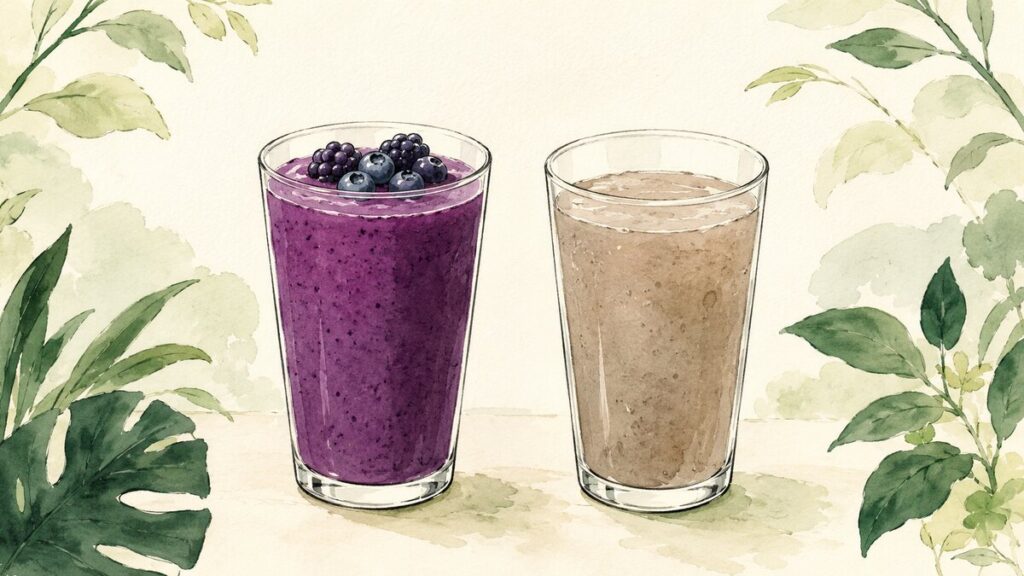
- Letting it sit. Drink it soon after blending. The color and the fresh taste fade the longer it waits, and a wall of sad brown smoothie is easy to skip.
- Chasing one super ingredient. No single powder or berry fixes inflammation. The habit of eating varied, colorful plants most days is what actually adds up.
Key takeaways
If you remember nothing else, remember this. Build every glass around colorful whole produce, add greens and a healthy fat, and pair turmeric with pepper so your body can use it. Use frozen fruit for texture, keep juice out, and drink it fresh.
Most of all, keep it easy enough to repeat. A simple smoothie you make five mornings a week does far more for you than an elaborate one you make twice. This works best as one piece of an anti inflammatory diet, alongside the same whole foods on your plate. If you like drinking your produce, our guide to juicing to fight inflammation is a natural next read.
Frequently asked questions
How often should I drink an anti inflammatory smoothie?
Daily is fine for most people, and a few times a week still helps. Consistency beats intensity. One smoothie won’t undo a rough diet, and it’s the steady habit of eating colorful plants that matters.
Can I make it the night before?
Yes. Prep the dry and frozen parts in the jar and refrigerate overnight, then add liquid and blend in the morning. A fully blended smoothie also keeps for a day in a sealed jar, though it tastes freshest right away.
Do I need turmeric in every smoothie?
No. Berries, greens, and a healthy fat already give you plenty. Turmeric and ginger are a nice bonus when the flavor fits, like in the golden mango blend, but you don’t have to force them into a berry smoothie where they’d taste off.
Are fresh or frozen berries better?
Both work well. Frozen fruit is picked ripe, keeps its nutrients, costs less, and makes a thicker, colder drink. Fresh is lovely in season. For an everyday smoothie, a bag of frozen berries in the freezer is the practical choice.
This article is general information, not medical advice. If you have a health condition, take medication, or are pregnant or nursing, check with a qualified professional before making big changes to your diet. Turmeric and ginger in food amounts are fine for most people, but they can interact with some medications in larger doses.