
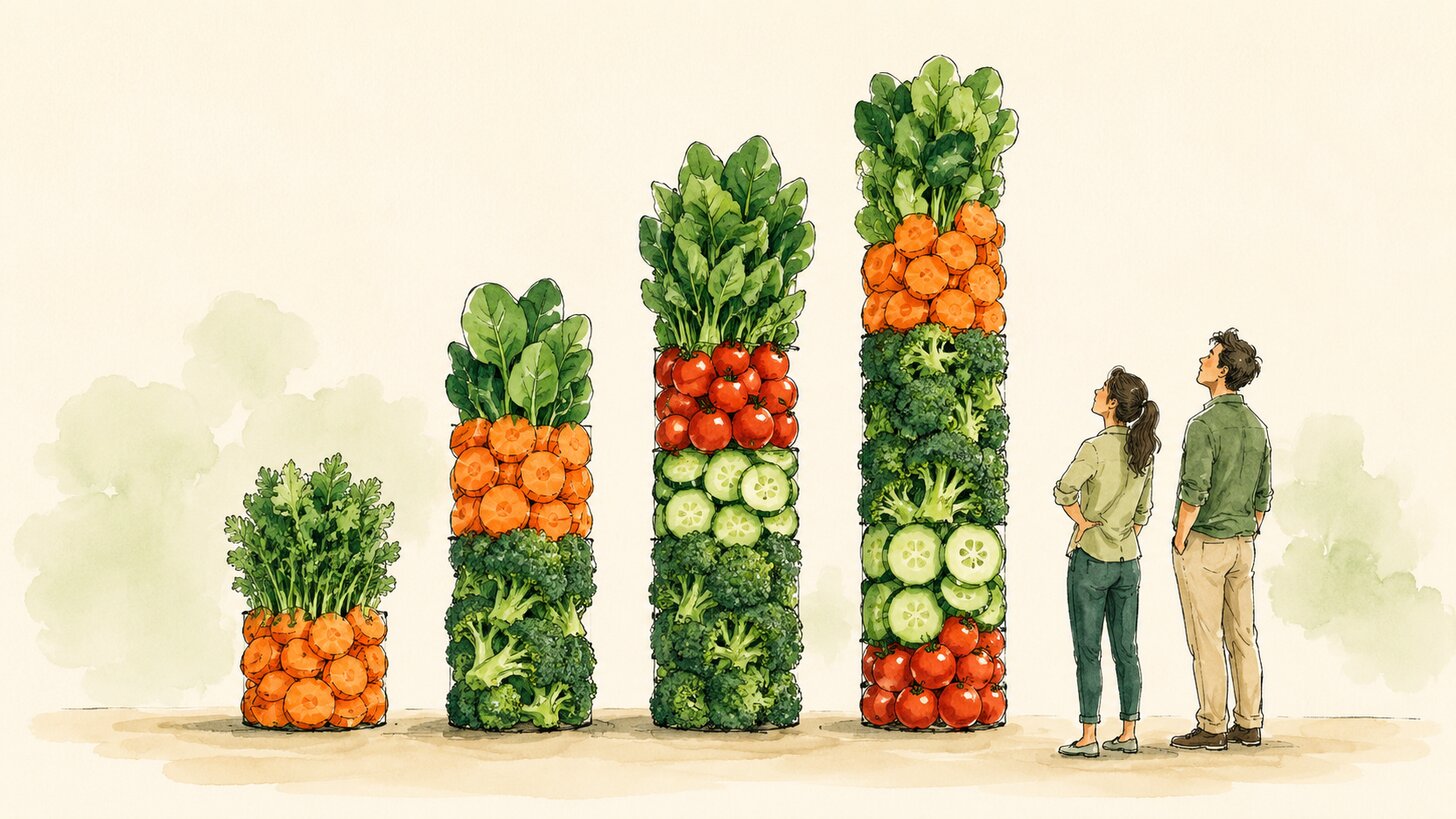
Picture the checkout line at your grocery store. Ten people are waiting, carts full, and every one of them knows they should eat more vegetables. Now here’s the part that stings a little. If those ten shoppers matched the national average, only one of them would actually be eating enough. The other nine fall short, day after day, even the ones with kale in the cart.
That gap between what we know and what we do is one of the quietest health stories in the country. So let’s look at the real numbers, where they come from, and what the people who clear the bar tend to do differently. The good news is that closing the gap is more about small daily habits than a full diet overhaul.
How many Americans eat enough vegetables?
Here’s the headline figure. According to the CDC, about 1 in 10 adults eats the recommended amount of vegetables. In the agency’s most recent national look at the question, drawn from 2019 survey data, only 10 percent of adults met the vegetable guideline, and 12.3 percent met the separate fruit guideline.
So when people ask how many Americans eat enough vegetables, the honest answer is: not many, and the number hasn’t budged much in years. Roughly nine out of ten of us are coming up short on produce, and that pattern holds across most of the country.
It’s worth saying these are self reported survey numbers, so they aren’t perfect. But they line up with years of other research, and the direction is clear. Most of us think we eat a fair amount of veg. The data says otherwise.
What “enough” really means
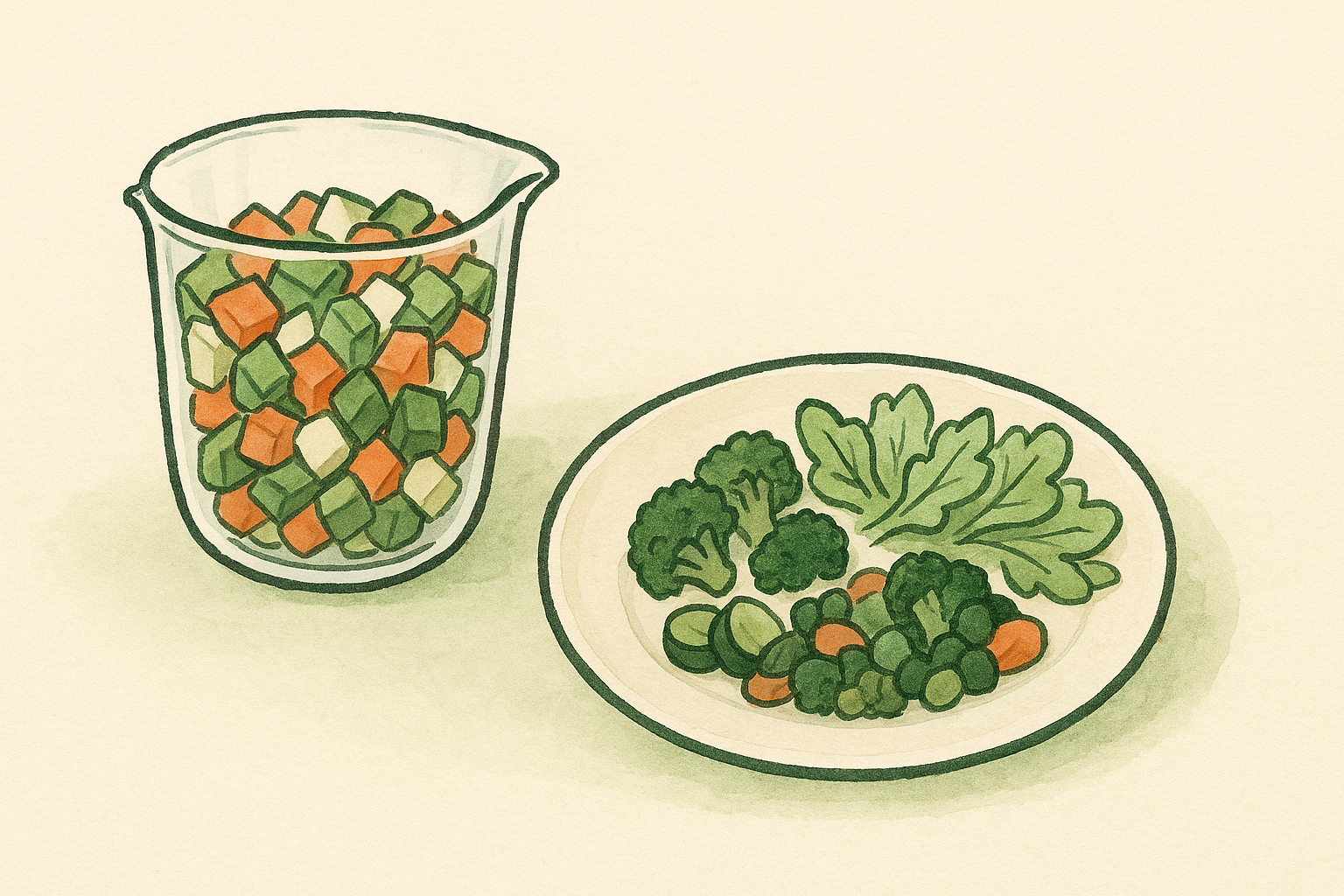
Before you feel bad about your own plate, it helps to know what the bar actually is. The federal dietary guidelines suggest most adults aim for about 2 to 3 cups of vegetables a day. For someone eating around 2,000 calories, the target lands near 2.5 cups.
A cup is measured as a cup equivalent, which is simpler than it sounds. One cup of raw or cooked vegetables counts as a cup. Because leafy greens are so airy, 2 cups of raw spinach or lettuce count as one cup equivalent. So a big salad isn’t quite as much as it looks on the plate.
The guidelines also nudge you to spread your veg across a few groups over the week: dark leafy greens, red and orange vegetables, starchy ones, beans and lentils, and everything else. You don’t have to hit each group every single day. Variety across the week is the goal, not perfection at every meal.
Who eats the most vegetables, and who falls short
The 10 percent average hides some real differences. Older adults do best. People aged 51 and up were the most likely to meet the vegetable goal, at about 12.5 percent. Younger adults trail behind them, and men eat enough less often than women do.
Income matters too. Among adults with the lowest incomes, only about 6.8 percent met the vegetable recommendation. Fresh produce costs money and time to prepare, and when a budget is tight, it’s often the first thing to go.
Where you live shifts the odds as well. The state numbers ranged widely, from a low near 5.6 percent in Kentucky to about 16 percent in Vermont. Even at the top of that range, though, most people in the best performing state still weren’t eating enough. No corner of the country is anywhere close to the finish line.
Why so many of us come up short
If almost everyone wants to eat more vegetables, why is it so hard? A few reasons show up again and again, and none of them are about willpower.
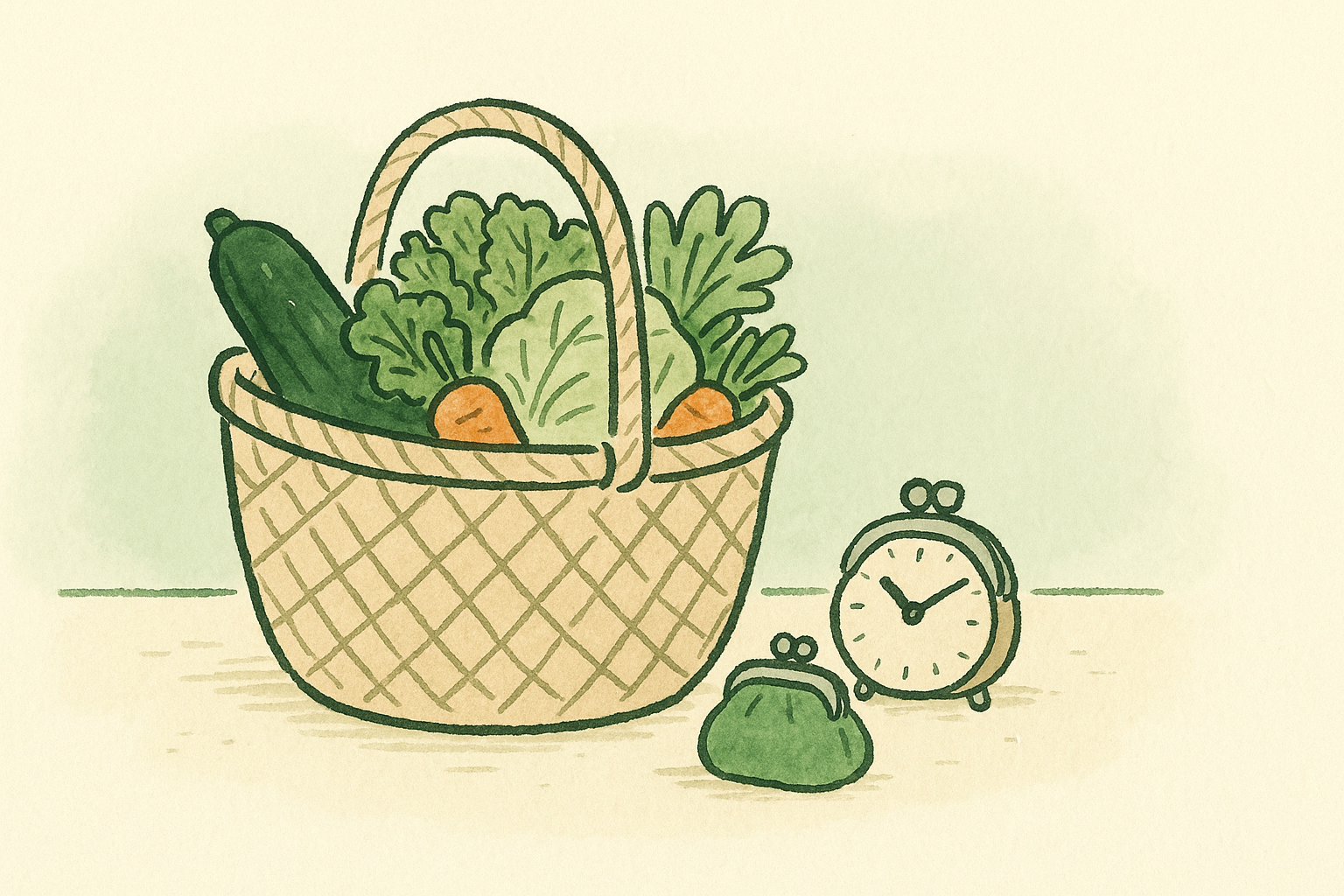
Time is a big one. Vegetables usually need washing, chopping, and cooking, and that friction is enough to push a tired person toward something faster. Cost is another, especially for fresh produce that spoils before you get to it. And plain old habit plays a role. If you didn’t grow up eating a lot of veg, it doesn’t feel automatic.
There’s also a spoilage tax nobody talks about. You buy a good haul with the best intentions, half of it wilts in the crisper drawer, and you quietly decide vegetables are a waste of money. That cycle is common, and it’s fixable with a little planning rather than more guilt.
A real week of getting to enough
Here’s what closing the gap can look like without turning your kitchen upside down. Say you’re starting at maybe one cup a day and want to reach two and a half.
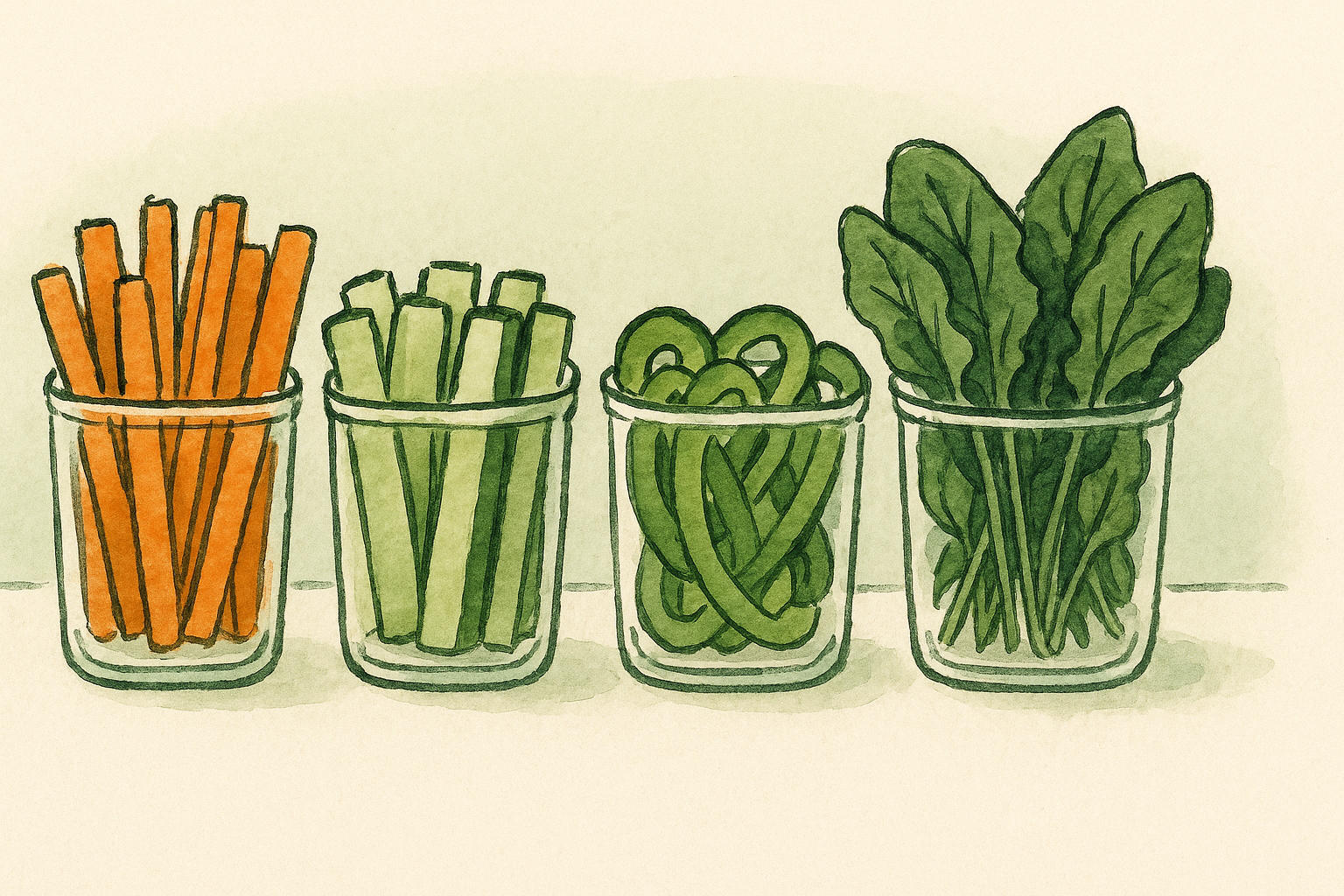
On Sunday you wash and chop a few things you’ll actually eat: carrots, peppers, cucumber. Monday you toss a handful of spinach into your eggs, which you barely taste. Tuesday you add a side of roasted broccoli to dinner, the kind you make on a sheet pan with no effort. By midweek you’re stirring frozen peas into a pasta and topping a bowl with a fistful of fresh greens.
None of those moves is dramatic. Stacked across a day, though, they carry you from one cup to two and a half without a single “diet” meal. That’s usually how the 10 percent do it. They don’t eat heroic salads. They add small amounts, often. The reason how many Americans eat enough vegetables stays stuck near one in ten isn’t a lack of trying, it’s that most people never turn these tiny additions into a habit.
How to be one of the ten percent
You don’t need a new identity as a health person. You need a handful of defaults that make vegetables the easy choice. A few that work well:
- Prep once, eat all week. Wash and cut vegetables the day you shop, and store them where you’ll see them. Visible and ready beats fresh and forgotten.
- Anchor veg to meals you already eat. Add greens to eggs, a side to dinner, a handful to a sandwich. You’re not adding meals, just building onto them.
- Keep a frozen backup. Frozen vegetables are picked ripe and keep for months, so a bag of peas or broccoli is an easy win on a rushed night.
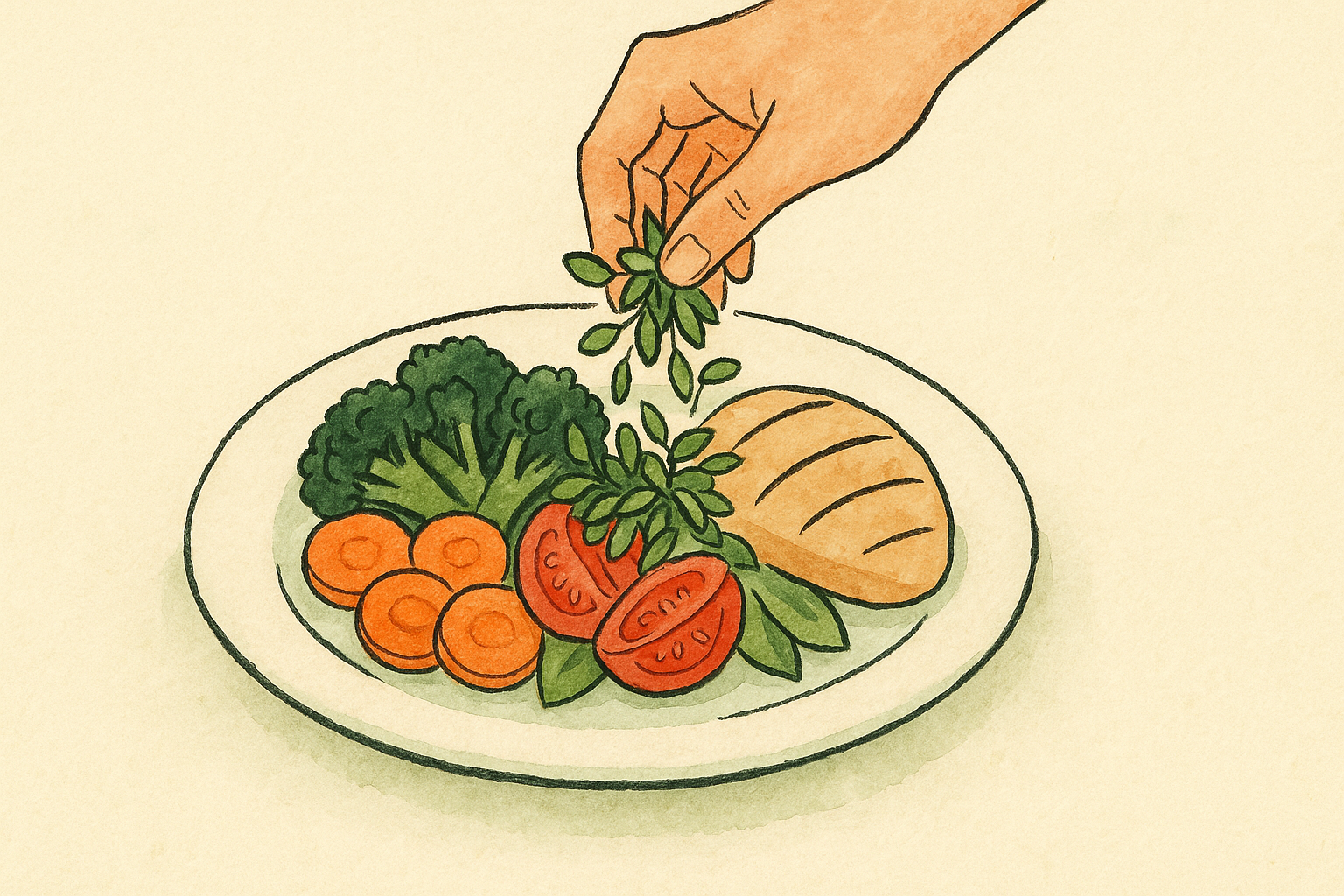
- Use a nutrient dense topper. A small handful of microgreens on toast, eggs, or a bowl adds fresh greens without any cooking. For more ideas along these lines, see our guide to gut friendly foods.
If you want a starting grocery list, our anti inflammatory foods list is built around the same colorful vegetables that help you hit the goal. And a simple green juice, like the ones in our post on juicing to fight inflammation, can round out a day when chewing your veg feels like a chore.
Common mistakes that keep you stuck
A few habits quietly keep people in the nine out of ten. The first is aiming for a total diet makeover on Monday, then quitting by Thursday. Big swings rarely last. Small, boring additions do.
Another is overbuying fresh produce you have no plan for, watching it spoil, and feeling defeated. Buy a little less, use frozen as a buffer, and prep what you bring home. A third mistake is counting a few lettuce leaves on a sandwich as a full serving. It’s a start, but remember that leafy greens pack down, so you need a generous amount to reach a cup equivalent.
Key takeaways
- Only about 1 in 10 American adults eats the recommended amount of vegetables, based on the CDC’s most recent national data.
- The target for most adults is roughly 2 to 3 cups of vegetables a day, or about 2.5 cups on a 2,000 calorie plan.
- Older adults and women meet the goal more often; younger adults, men, and people with lower incomes fall short more.
- Even the best performing state tops out around 16 percent, so no group is close to where it should be.
- The fix is small and repeatable: prep ahead, lean on frozen veg, and add a little produce to meals you already eat.
Frequently asked questions
What percentage of Americans eat enough vegetables?
About 10 percent of adults meet the federal vegetable recommendation, according to CDC data. That means roughly nine in ten fall short of the 2 to 3 cups a day the guidelines suggest.
How many servings of vegetables should I eat a day?
Most adults should aim for about 2 to 3 cups of vegetables daily, with 2.5 cups a common target on a 2,000 calorie diet. Spread different types across the week rather than worrying about hitting every group each day.
Do frozen and canned vegetables count?
Yes. Frozen vegetables are picked and frozen at their peak, so they hold their nutrition well, and they count toward your daily total. With canned, rinse them to cut the sodium and choose low salt options when you can.
Are potatoes a vegetable?
Potatoes count as a starchy vegetable, but they behave more like a starch in your body than leafy or colorful veg do. They can be part of your total, just don’t let them crowd out the greens, reds, and oranges.
This article is general information, not medical advice. If you have a health condition, take medication, or are pregnant or nursing, check with a qualified professional before making big changes to how you eat.