
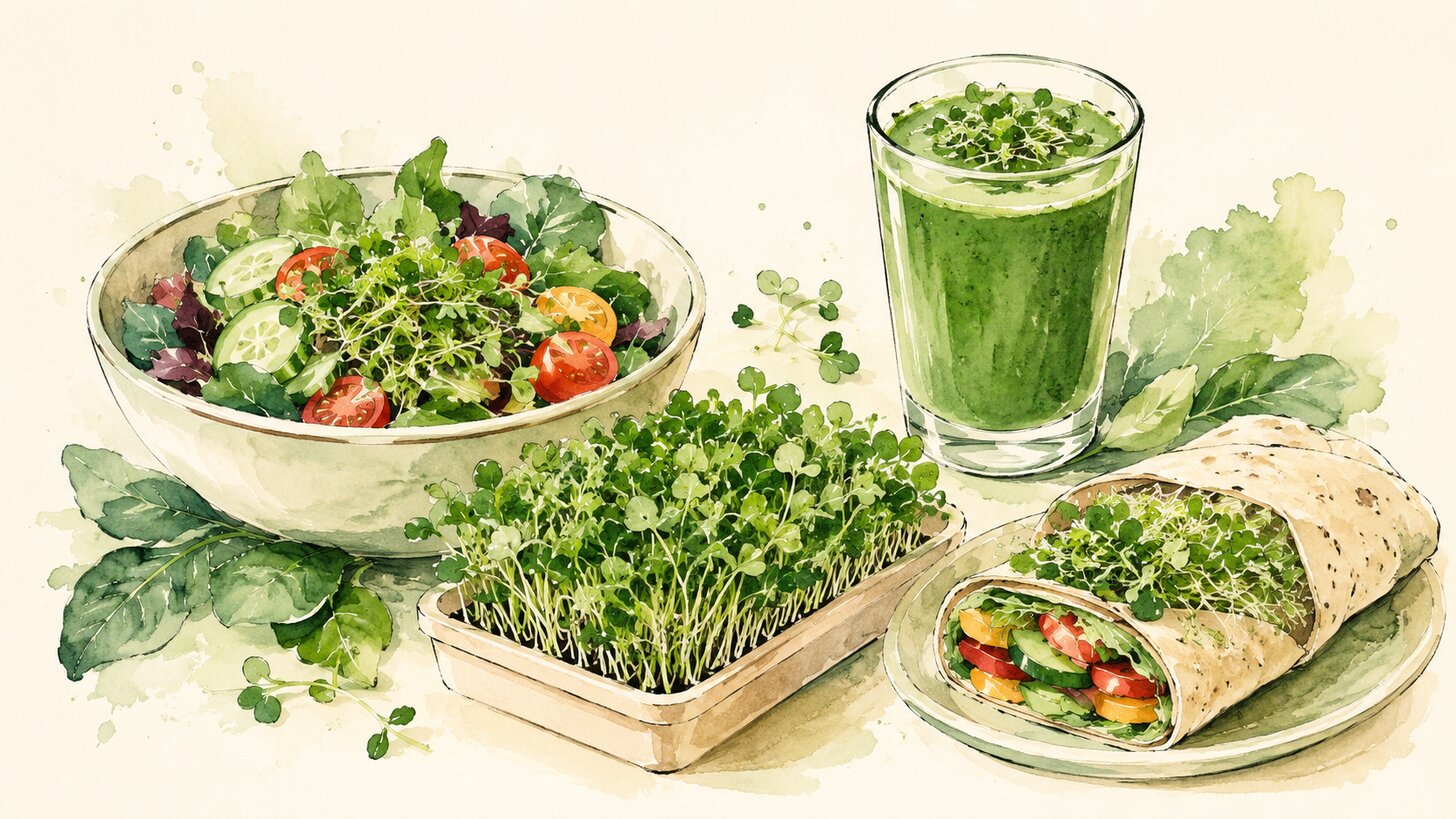
You buy a little clamshell of microgreens with good intentions. It sits in the fridge, you sprinkle a few on one salad, and a week later the rest have gone slimy in the back drawer. Sound familiar? The fix usually isn’t willpower. It’s picking greens you actually like the taste of and knowing where they belong on your plate.
Microgreens are the young seedlings of vegetables and herbs, harvested about one to three weeks after sprouting. They pack a lot of flavor into a tiny leaf, and depending on the variety that flavor ranges from sweet and grassy to sharp and peppery. If you’re new to them, start with our beginner’s guide to microgreens. Once you know a few varieties by taste, they stop being a garnish you forget about and become something you reach for every day.
This is a plain guide to the best microgreens to eat and how to use each one, so the next clamshell earns its spot in your fridge.
What makes a microgreen worth eating
Two things matter most: flavor and how the green holds up once it’s on your food. A microgreen that tastes great but wilts the second it touches a warm sandwich isn’t much use. The good news is that most popular varieties do both jobs well when you eat them raw.
Raw is how microgreens are meant to be eaten. Heat softens their crisp snap and dulls the bright, peppery, nutty notes that make them special. So think of them as a fresh finishing touch you add at the end, not something you cook down like spinach.
Nutrition is the quiet bonus. Research suggests many microgreens carry higher concentrations of certain vitamins and antioxidants than the mature version of the same plant, gram for gram. You’re eating small amounts, so treat that as a nice extra rather than a reason to force down a green you don’t enjoy. For the full breakdown, our microgreens nutrition chart ranks the common varieties.
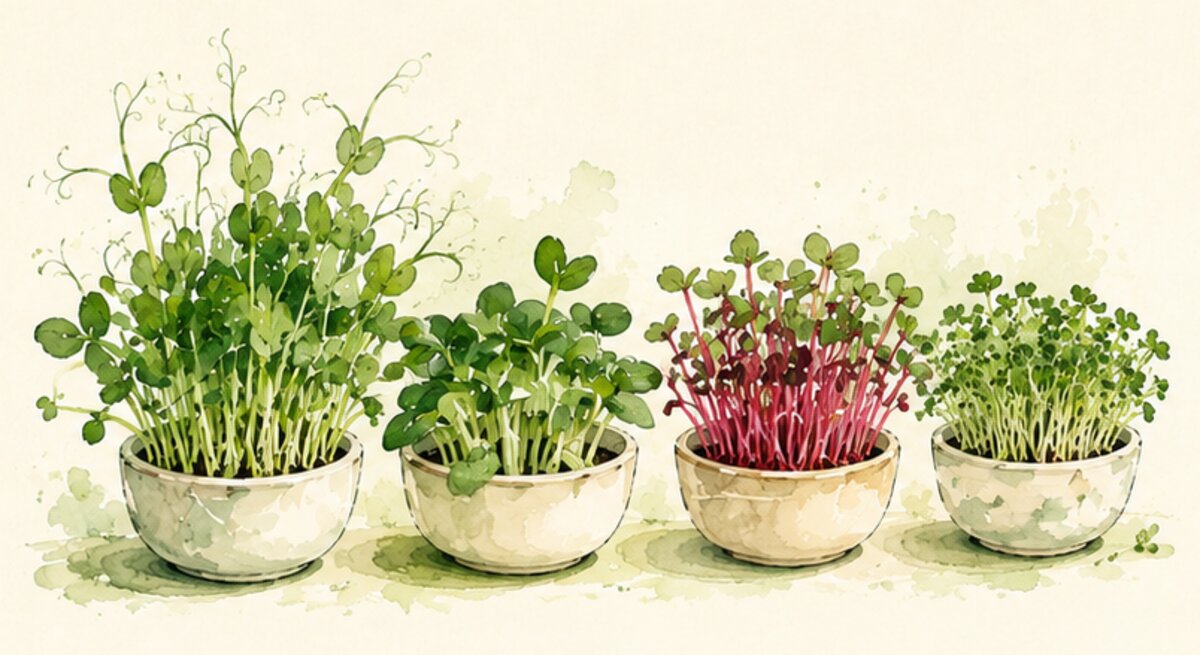
The best microgreens to eat, by flavor
Here’s where taste comes in. These are the varieties most people love, grouped by what they actually taste like, so you can match them to the food you already make.
Pea shoots: mild and sweet
If you’re not sure where to begin, begin here. Pea shoots taste like fresh spring peas with a tender, crisp snap and a subtle sweetness. There’s almost no bitterness and no bite, which makes them the friendliest microgreen for picky eaters and kids. They’re substantial enough to eat by the handful, almost like a tiny salad on their own.
Sunflower: nutty and crunchy
Sunflower shoots are thick, juicy, and satisfying to chew, with a flavor that lands somewhere between nutty and fresh green. They have the best crunch of any common microgreen, which is why they hold up so well in wraps and grain bowls. They also happen to be one of the more filling varieties, so a handful goes a long way.
Radish: spicy and sharp
Radish microgreens taste like the root you know: peppery, a little spicy, and bold. They wake up anything mild or rich. If you love a bit of heat, these are your pick. Daikon radish is the most common type you’ll find, and it brings a clean, sharp crunch that cuts through creamy or heavy dishes.
Broccoli: mild and grassy
Broccoli microgreens are gentle, with a soft, slightly peppery, fresh green taste that most people barely notice on their food. That mildness makes them one of the easiest to eat every day. They’re also the variety best known for sulforaphane, a compound that’s gotten a lot of attention. We covered that in our post on broccoli microgreens benefits.
Arugula and mustard: bold and peppery
For people who like sharp flavors, arugula and mustard microgreens deliver a real punch. Arugula brings that familiar peppery, slightly nutty bite, while mustard is hotter and almost horseradish like in a good way. Use these when you want the greens to be the star, not to hide in the background.
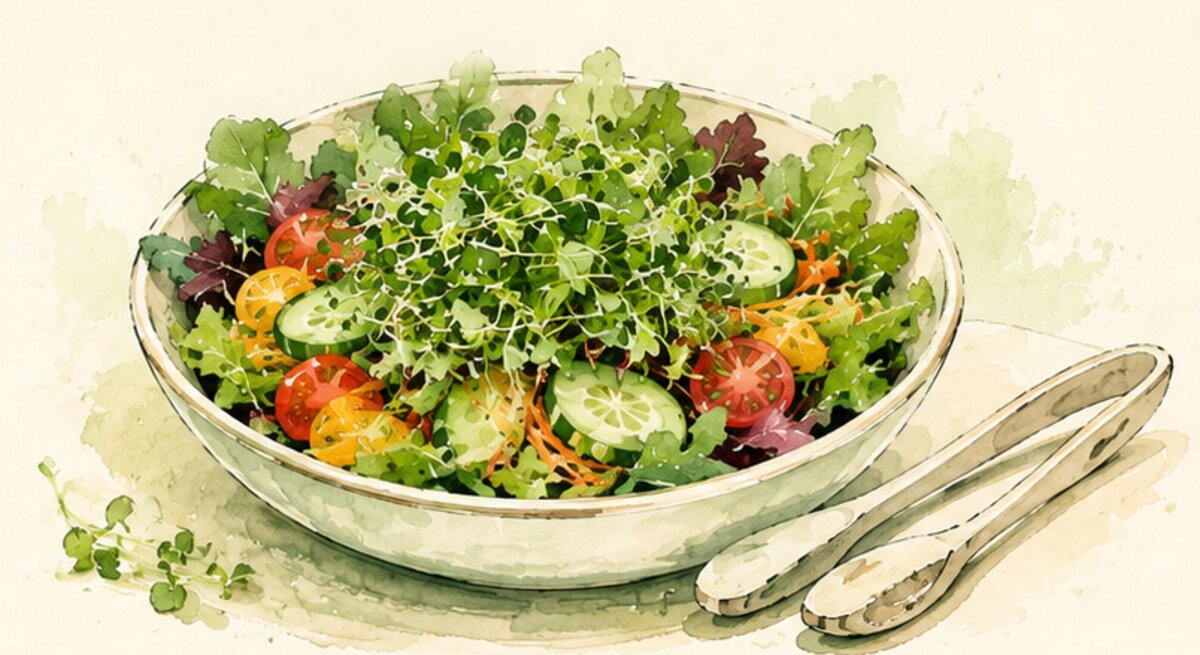
Best microgreens for salads
Salads are the easiest way in. A handful of microgreens turns a plain bowl of greens into something with real texture and color, and you don’t have to do anything fancy. Just toss them on top at the end so they stay crisp.
For a salad, mix a mild base green with a bolder accent. Pea shoots and sunflower give you body and crunch, while a small pinch of radish or arugula adds a peppery lift. If you want one variety that does it all, sunflower is hard to beat because it’s sturdy enough to stand up to dressing without going limp right away.
Want to use up a whole tray without waste? Our roundup of microgreen recipes has a few ideas that go beyond the salad bowl.
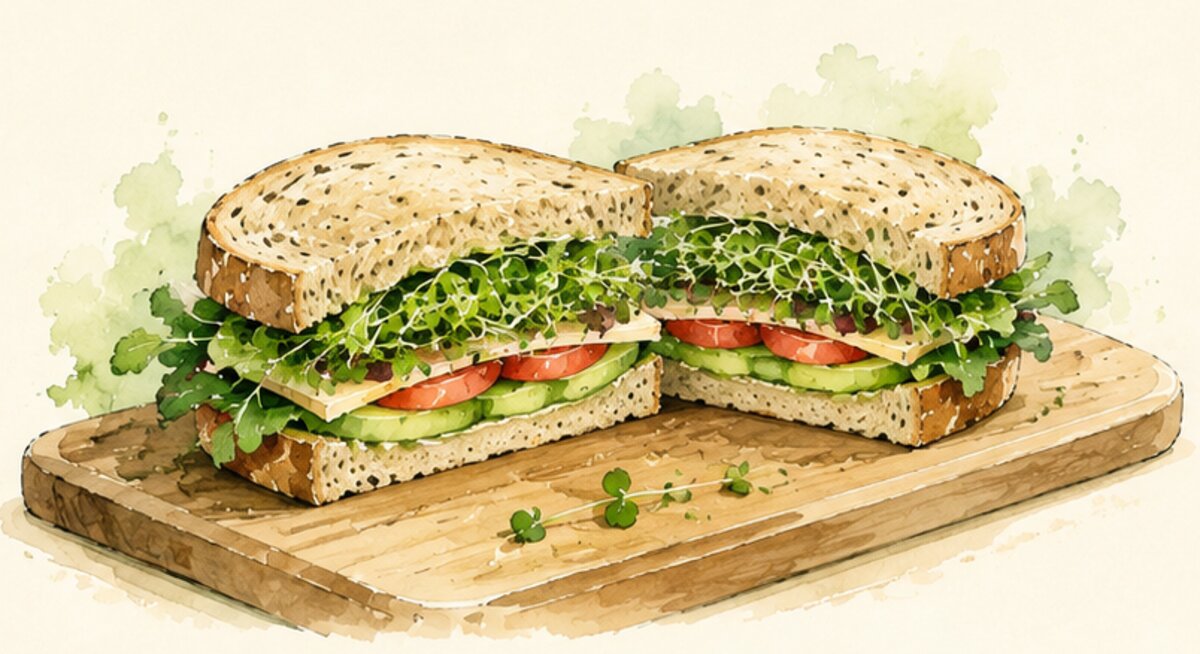
Best microgreens for sandwiches and wraps
This is where microgreens quietly beat lettuce. Their small leaves don’t slide out the side of a sandwich or go soggy as fast, and they add flavor instead of just bulk. A layer of greens on a wrap or toast is one of the simplest upgrades you can make.
Match the green to the filling. Broccoli or pea shoots are lovely with egg salad or avocado because they stay out of the way. Radish and mustard shine against rich, savory fillings like cheese, turkey, or hummus, where their heat cuts the richness. Sunflower shoots are the go to for a hearty veggie wrap that needs some crunch to hold it together.
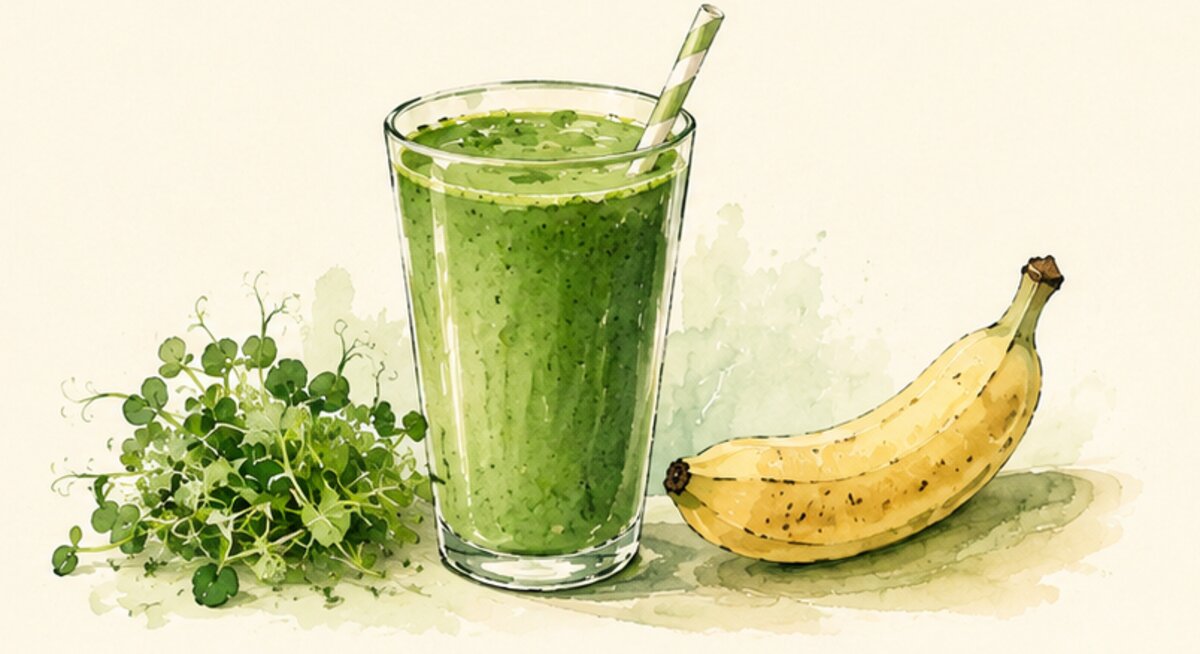
Best microgreens for smoothies
Smoothies are the sneakiest way to eat your greens, and microgreens blend right in. The trick is to stick with mild varieties so you get the nutrition without a grassy or spicy surprise.
For smoothies, pea shoots and broccoli are your safest bets. Both nearly disappear once fruit like banana, mango, or berries joins the blender. Save the radish and mustard for savory dishes, because their heat does not belong next to your morning fruit. Start with a small handful, blend, and add more next time once you know how it tastes to you.
A real week of small add ins
Here’s how this looks in a normal week, without any extra cooking. Monday, you drop a handful of pea shoots into a fruit smoothie. Wednesday, you pile sunflower shoots onto a turkey wrap for lunch. Friday, you scatter radish microgreens over a bowl of rice and eggs for a little heat.
That’s three varieties, three meals, and one clamshell used up before it can wilt. No recipe, no plan, just a fresh handful added at the end. That’s the whole habit.
Common mistakes to avoid
A few small habits keep your greens tasting their best and stop them going to waste.
- Cooking them. Heat kills the crunch and the fresh flavor. Add microgreens at the very end, after the pan is off the heat, or use them raw.
- Starting with the spicy ones. If radish or mustard is your first try, you might decide you don’t like microgreens at all. Begin mild with pea or broccoli, then work up to the bold flavors.
- Washing them too early. Excess moisture makes them slimy. Rinse gently only right before you eat, and store them dry in a container lined with a paper towel.
- Buying more than you’ll eat. A small clamshell goes further than you think. It’s better to finish one and buy again than to watch a big box turn to mush.
Key takeaways
- The best microgreens to eat come down to flavor: pea shoots are mild and sweet, sunflower is nutty and crunchy, radish is spicy, broccoli is gentle, and arugula and mustard are bold.
- Eat them raw and add them at the end so they keep their crunch and fresh taste.
- Sunflower and pea shoots are the workhorses for salads and wraps; pea and broccoli are the safe picks for smoothies.
- Start mild, buy small, and store them dry to get the most out of every clamshell.
Frequently asked questions
Which microgreen tastes the best?
It depends on your palate, but pea shoots and sunflower are the most widely loved because they’re sweet, mild, and crunchy with no bitterness. If you like heat, radish tends to be the favorite. Taste is personal, so the best microgreens to eat are simply the ones you’ll actually finish, so try a few and see which you keep reaching for.
Can you eat microgreens every day?
Yes. Microgreens are just young vegetables, so a daily handful is a fine way to add greens to your meals. Variety is smart, so rotate a few types through your week rather than eating only one.
Do you eat the stems of microgreens?
Yes, the whole thing above the soil line is edible: stem, leaves, and all. Just snip them above the roots and give them a gentle rinse. You do not eat the roots or the growing medium.
Are microgreens better raw or cooked?
Raw. Cooking wilts them fast and washes out the flavor and texture that make them worth eating. If you want them warm, stir them in at the last second, off the heat.
This article is general information, not medical advice. If you have a health condition, take medication, or are pregnant or nursing, check with a qualified professional before making changes to your diet.